 EN
EN

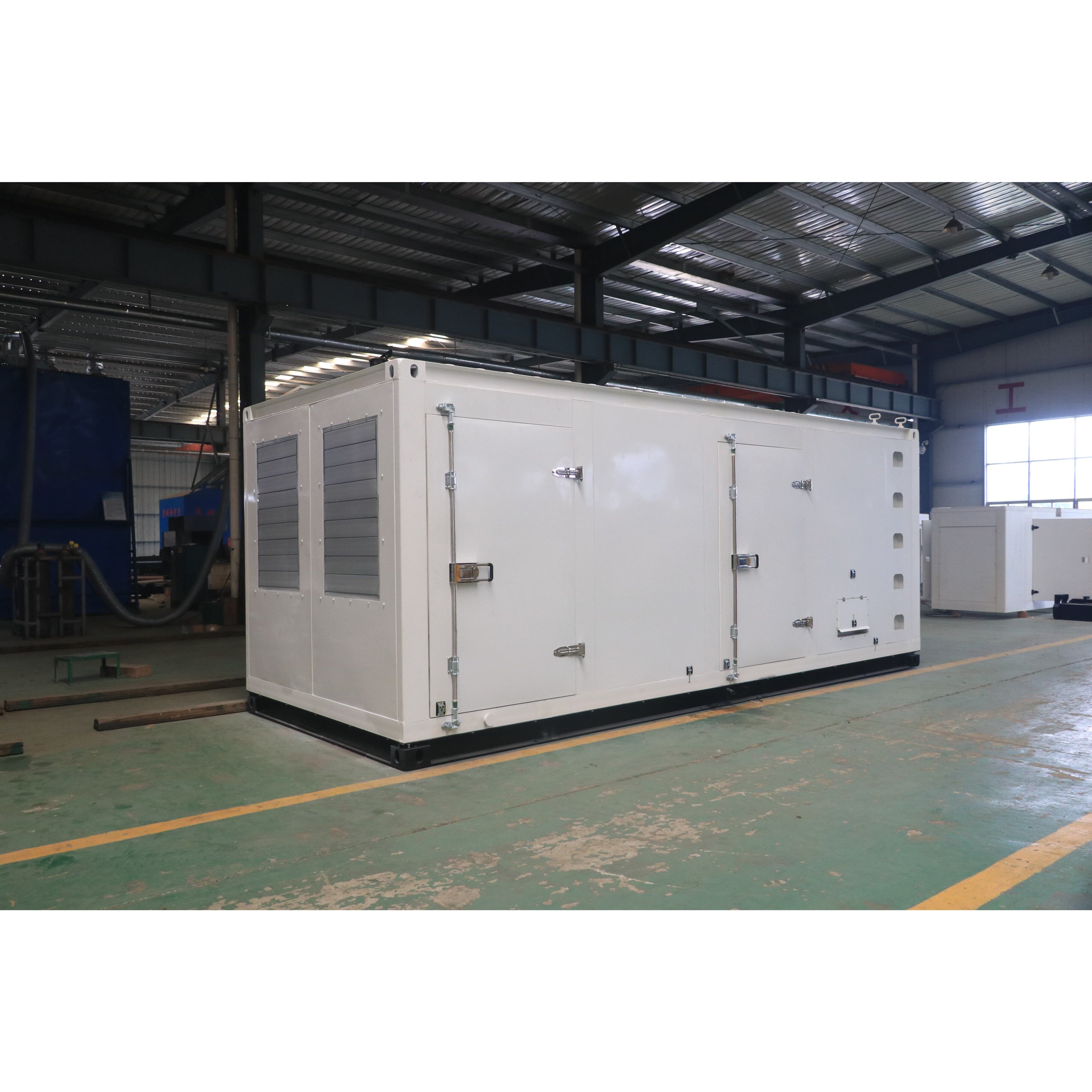
ကုန်တင်ပို့ရောင်းချသည့် ဂျင်နရေတာများတွင် ထူးခြားသော ရေဝင်မှု အန္တရာယ်များ
ရေဟာ ဆည်ဘူး ဂျင်နရေတာတွေထဲကို အလွယ်တကူ ဝင်ရောက်သွားတယ်၊ ဆောက်လုပ်ရေးခြံတွေ၊ ရေကြီးမှု ခံနိုင်ခြေရှိတဲ့ နေရာတွေ၊ ဒါမှမဟုတ် ဆားဓာတ်ရှိတဲ့ လေတွေ ကပ်နေတဲ့ ကမ်းရိုးတန်းတွေအနီးမှာရှိတဲ့ နေရာတွေမှာ ထားတဲ့အခါပေါ့။ ဒီရွေ့လျားတဲ့ စွမ်းအင် ယူနစ်တွေမှာ အိမ်တွင်းမှာ တပ်ဆင်ထားတဲ့ မောင်းနှင်နိုင်တဲ့ စနစ်တွေနဲ့ တူညီတဲ့ ကာကွယ်မှု မရှိဘူး။ ၎င်းတို့ရဲ့ လုပ်ဆောင်မှုတစ်ခုလုံးဟာ အတွင်းဘက်က ထိခိုက်လွယ်တဲ့ အီလက်ထရွန်းနစ်ပစ္စည်းတွေကို ထိခိုက်စေတဲ့ စိုစွတ်တဲ့ အရာတွေကို ထိန်းထားဖို့ အခန်းတွေကို အားကိုးပါတယ်။ မီးလောင်မှုဖြစ်ပွားမှု ထိန်းချုပ်မှုမရှိရင် အနည်းငယ်တောင်မှ စိုထိုင်းမှု တိုးလာပြီး ယူနစ်အတွင်းက သတ္တုပစ္စည်းတွေကို စားပစ်ပါတယ်။ အငွေ့ပျံမှု ပြဿနာတွေ အမြဲရှိနေတဲ့ နေရာတွေမှာ အပျက်အစီးက စက်ပစ္စည်း သက်တမ်းကို တစ်ဝက်နီးပါး လျှော့ချတဲ့ ကိစ္စတွေ မြင်ဖူးတယ်။ ဒီသယ်ဆောင်ပစ္စည်းတွေထဲမှာ အရာတိုင်းဟာ သိပ်ကို နီးကပ်စွာ စုစည်းထားလို့၊ အပေါက်လေး တစ်ခုဟာ စနစ်များစွာကို ထိခိုက်စေနိုင်ပါတယ်။ ၂၄ နာရီ ၇ ရက်လုံး အားကိုးလို့ရတဲ့ စွမ်းအင် လိုအပ်တဲ့ လုပ်ငန်းတွေဟာ ငွေကြေးအရ ပြောရရင် ဒါက ဘာကိုဆိုလိုတာ သိပါတယ်။ Ponemon Institute ရဲ့ မနှစ်က သုတေသနအရ မမျှော်လင့်ဘဲ ပိတ်လိုက်တိုင်း ကုမ္ပဏီတွေဟာ ပျမ်းမျှ ဒေါ်လာ ၇၄၀၀၀၀ လောက် ကုန်ကျပါတယ်။ ဒါပေမဲ့ ဒီတံဆိပ်တွေကို ပုံမှန် စစ်ဆေးတာက ခြားနားချက်တစ်ခု ဖန်တီးတယ်။ ဒါတွေကို မထိခိုက်စေဘဲ ထိန်းထားတာက အခြေခံအားဖြင့် ဒီဂျင်နရေတာ အိုးတွေဟာ အများစုက မမြင်တဲ့ အတွင်းပိုင်း ကိရိယာတွေ မတွေ့ရပေမဲ့ စိတ်ချရမှုရှိဖို့ပါ။
ကုန်တင်ပို့ရောင်းချသည့် ဂျင်နရေတာစက်မှုအဖွဲ့များတွင် တံခါးပိတ်မှုများသည် ရေမဝင်စေရန် အရေးကြီးသော လုပ်ဆောင်မှုများ
ရေပြားပေါ်တွင် ရေပိတ်မှုအလုပ်လုပ်ပုံနှင့် အရေးကြီးသော ပျက်စီးမှုများ
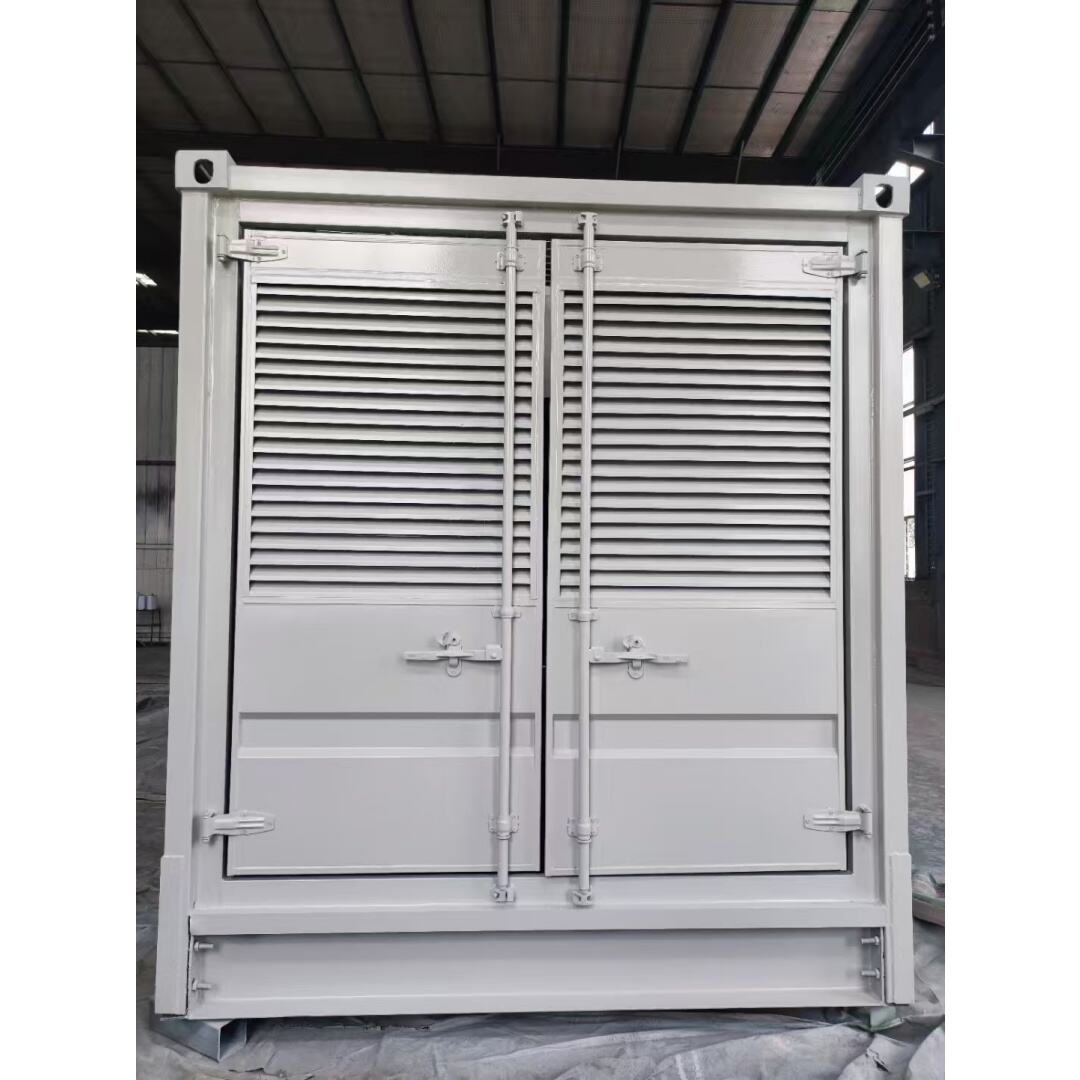
ရေစိုမှုကို တားဆီးရန် အထူးသဖြင့် တံခါးချောင်းများတွင် ရေစိုမှုကို တားဆီးပေးသည့် ဖိအားဖောက်ပေးသည့် ရေစိုမှုကာကွယ်ရေး ဂasket များကို ရေပိုက်များအဖြစ် အသုံးပြုကြသည်။ ဤလုံခြုံရေး ဂasket များကို မှန်ကန်စွာ ဖိအားဖောက်ပေးပါက ဤပုံစံပေါ်လေးသော ရေစိုမှုကာကွယ်ရေး ဂasket များသည် မျက်နှာပုံစံများပေါ်တွင် အမြဲတမ်း ထိတွေ့နေမည်ဖြစ်ပြီး သယ်ယူပို့ဆောင်ရေးအတွင်း အနည်းငယ် ရွေ့လျားမှု သို့မဟုတ် ပုံစံပေါ်လေးမှုများ ရှိသည့်အခါတွင်ပါ စိုထေးမှုကို အမြဲတမ်း တားဆီးပေးနိုင်မည်ဖြစ်သည်။ အထူးသဖြင့် ဘာတွေမှားသွားလေ့ရှိသနည်း။ အချိန်ကြာလာသည်နှင့်အမျှ ရေစိုမှုကာကွယ်ရေး ဂasket များသည် မှန်ကန်သည့် ပုံစံကို အမြဲတမ်း ဆုံးရှုံးလေ့ရှိပါသည် (ဤသည်ကို compression set ဟု ခေါ်သည်)။ ထို့ကြောင့် ယင်း ရေစိုမှုကာကွယ်ရေး ဂasket များသည် မှန်ကန်စွာ ပြန်လည်ဖောက်ထောက်နိုင်မည်မဟုတ်ပါ။ ထို့အပြင် နေရောင်ခြင်းကြောင့် မျက်နှာပုံစံပေါ်တွင် ကြေ cracks များ ဖော်ပေါ်လာခြင်းနှင့် အစိတ်အပိုင်းများကို တစ်ပါတည်း ကပ်ထားသည့် ကြေးမှုန်များ ကွဲထွက်လာခြင်းတို့သည် အဖြစ်များသည့် ပြဿနာများဖြစ်သည်။ ၂၀၂၃ ခုနှစ်တွင် အင်တာနေရှင်နယ် အင်ဂျင်နီယာ အာမ်ခ်ခ်မ်းမှု အသင်းမှ ထုတ်ပြန်သည့် အစီရင်ခံစာအရ မီးဖွဲ့စက် အတွင်းပိုင်းများတွင် ဖြစ်ပေါ်သည့် ရေစိုမှုများ၏ နှစ်သက်သည့် သုံးပုံနှစ်ပုံသည် အဆောက်အဦး၏ ဖွဲ့စည်းပုံနှင့် ပတ်သက်သည့် ပြဿနာများကြောင့် မဟုတ်ဘဲ အသုံးပြုပြီးသည့် ရေစိုမှုကာကွယ်ရေး ဂasket များကြောင့် ဖြစ်ပါသည်။ ရေသည် တံခါးအစွန်းများတွင် အလွန်သေးငယ်သည့် ကွာဟခြင်းများမှတစ်ဆင့် အတွင်းသို့ ဝင်ရောက်လာပြီး အရေးကြီးသည့် အီလက်ထရွန်နစ် အစိတ်အပိုင်းများကို အန္တရာယ်ဖောက်ထားပါသည်။
ရေစိုမှုကာကွယ်ရေး ဂasket များ၏ အသက်တာကို ပတ်ဝန်းကျင်အခြေအနေများ အပေါ် သက်ရောက်မှု
ပိုမိုဆိုးရွမ်းသော ပတ်ဝန်းကျင်ဆိုင်ရာ အခြေအနေများတွင် ထောက်ခံမှုများသည် ပစ္စည်းများသည် အချိန်ကြောင့် ပုံမှန်အတိုင်း ပေါ့ပါးလာခြင်းကြောင့် ပိုမိုမြန်မြန် ပျက်စီးလေ့ရှိပါသည်။ အပူခါးမှ -၄၀ ဒီဂရီစင်တီဂရိတ်မှ ၇၀ ဒီဂရီစင်တီဂရိတ်အထိ အပူခါးပေါ်လာခြင်းဖြင့် ရောင်းဘာပစ္စည်းများတွင် အလွန်သေးငယ်သော ကြေ cracks များ ဖြစ်ပေါ်လာပါသည်။ စက်မှုဓာတုပစ္စည်းများနှင့် ဆောင်းရဲတွင် လမ်းများကို အအေးခံရှားစေရန် အသုံးပြုသော ရောင်းဆားများသည် ပေါ်လီမာများ၏ အဏုမေးပေါ်လီမာဖွဲ့စည်းမှုကို ပျက်စီးစေပါသည်။ တံခါးများကို အမြဲတမ်း ဖွင့်ခြင်းနှင့် ပိတ်ခြင်းများ၊ အပိုပစ္စည်းများ၏ တုန်ခါမှုများသည်လည်း ပိုမိုမြန်မြန် ပိတ်မှုများကို ပျက်စီးစေပါသည်။ ထို့ထက်ပိုမိုဆိုးရွမ်းသည်မှာ လေထုတွင် အိုဇုန်းအဆင့်သည် ပုံမှန်ထက် ၀.၁ ပါတ်စ်ပါမီလျှန် (ppm) ထက် ပိုများလာပါက ၁၈ လအတွင်း ပိတ်မှုများတွင် မျက်နှာပုံပေါ်တွင် ကြေ cracks များ ဖြစ်ပေါ်လာပါသည်။ မိုးခုတ်နေရာများတွင် အသုံးပြုသည့် အပိုပစ္စည်းများအတွက် နည်းပညာပုဂ္ဂိုလ်များသည် အလွန်အေးမှုကြောင့် ပိတ်မှုများသည် အလွန်ဖိအားများနေသည့်အတွက် သုံးလတစ်ကြိမ် စစ်ဆေးရန် လိုအပ်ပါသည်။ ကမ်းရိုးတန်းရှိ စက်ရုံများသည် ထိုထက်ပိုမိုကောင်းမှုများမျှ မဟုတ်သော်လည်း ရောင်းဆားပျက်စီးမှုကို အစေးနှင့် ဖမ်းမိရန် နှစ်နှစ်တစ်ကြိမ် စစ်ဆေးရန် လိုအပ်ပါသည်။ ပုံမှန်စစ်ဆေးခြင်းများသည် အရေးကြီးသော လျှပ်စစ်စနစ်များထဲသို့ ရေများ ဝင်ရောက်ခြင်းကို ကာကွယ်ပေးပြီး အရေးကြီးသော ပြဿနာများကို ကာကွယ်ပေးနိုင်ပါသည်။
ကုန်တင်ပို့ရေး ဂျင်နာရေးတာစက်များအတွက် စံချိန်သတ်မှတ်ထားသော တံခါးပိတ်မှု စစ်ဆေးရေး လုပ်ထုံးလုပ်နည်း
မြင်သာသော၊ ထိတွေ့သာသောနှင့် အရွယ်အစားအလိုက် စစ်ဆေးရေး အဆင့်များ
အိုးထဲမှာရှိတဲ့ ဗုံးတွေကို စစ်ဆေးတဲ့အခါ သုံးဆင့်စီ လုပ်တဲ့ နည်းကို သုံးဖို့ လိုပါတယ်။ အလင်းတွေ အများကြီးရှိတဲ့အခါ အိတ်ကပ်ရဲ့ နေရာတစ်ခုလုံးကို ကောင်းကောင်း ကြည့်ခြင်းနဲ့ စပါ။ ဂွမ်းထဲမှာ ချွတ်ယွင်းမှု၊ မြင်သာတဲ့ အက်ကြောင်းတွေ ပေါ်ပေါက်ခြင်း၊ ပြဿနာတွေ ပုန်းကွယ်နေလောက်တဲ့ ညစ်ပတ်မှုနဲ့ ညစ်ပတ်မှု စုစည်းခြင်းတို့လို ပြဿနာရဲ့ လက္ခဏာတွေကို ဂရုတစိုက် ကြည့်ပါ။ ပြီးရင် လက်ချောင်းတွေကို တံဆိပ်ရဲ့ မျက်နှာပြင်တစ်ခုလုံးမှာ ပြေးလိုက်ပါ။ [စာမျက်နှာ ၂၇ ပါ ရုပ်ပုံ] စစ်ဆေးမှုရဲ့ နောက်ဆုံးအပိုင်းအတွက် လူတိုင်းသိတဲ့ စက္ကူစုတ်တဲ့ လှည့်ကွက်ဟောင်းကို စမ်းကြည့်ပါ။ တံဆိပ်နဲ့ သတ္တုဘောင်ကြားမှာ စက္ကူတစ်ချို့ကို ချိတ်လိုက်ပြီး တံခါးကို မှန်ကန်စွာ ပိတ်လိုက်၊ ဘာဖြစ်မလဲ ကြည့်လိုက်။ စက္ကူက ခုခံမှုမရှိပဲ ပြန်ကျသွားရင် တံဆိပ်က လုံလောက်အောင် မညှစ်တော့ဘူးဆိုတာပါ။ ၃ မီလီမီတာထက် ပိုကြီးတဲ့ အပေါက်တိုင်းဟာ သေချာပေါက် စိုးရိမ်စရာ အကြောင်းပြချက်ပါ။ အကြောင်းက ရေဟာ ဒီပေါက်လေးတွေကို ရှာဖွေပြီး နောက်ဆုံးမှာ အတွင်းကို ခိုးဝင်တတ်လို့ပါ။
ခြုံငုံသုံးသပ်ခြင်း – ဖိအားပေးပြီးနောက် ပုံသဏ္ဍာန်ပြောင်းလဲမှု၊ ကွဲအက်မှုနှင့် ကပ်ညှိမှု ပျက်စီးမှု
တချို့ အပျက်အစီးတွေ ပေါ်လာရင် မကြာခင်မှာ အပိတ်တွေကို အစားထိုးဖို့ အချိန်ရောက်ပါပြီ။ ဖိအားပေးထားတဲ့ အချိုးဟာ ၁၅% ကျော်လျော့သွားရင် အပ်ချုပ်တဲ့ စွမ်းအား သိသိသာသာ ကျဆင်းသွားပြီး ရေဟာ သေးငယ်တဲ့ ဆံချည်မျှင်ကြောတွေထဲ ခိုးဝင်လာပါတယ်။ နှစ်မီလီမီတာထက် ပိုနက်တဲ့ မျက်နှာပြင်တွေမှာ ပေါ်လာတဲ့ အက်ကြောင်းတွေဟာ တည်ဆောက်မှု ဘယ်လောက်ခိုင်မာနေတယ်ဆိုတာကို တကယ်ကို ထိခိုက်စေပါတယ်။ အထူးသဖြင့် နေရောင်ခြည်နဲ့ နေ့တစ်နေ့လုံး အပူချိန် ပြောင်းလဲမှုကြီးတွေ နှစ်ခုစလုံးနဲ့ ထိတွေ့တဲ့ ပစ္စည်းတွေရှိတဲ့ ကွေးရာတွေအနီးမှာပါ။ ကပ်ကပ်မှု ပျက်သွားပြီး တံခါးဘောင်တွေကနေ အကာအကွယ်ပစ္စည်းတွေ စဖယ်ခွာသွားတဲ့အခါ ရေဟာ ခုခံမှုမရှိပဲ ဖြတ်စီးသွားပါတယ်။ Ponemon ရဲ့ ၂၀၂၃ သုတေသနအရ ဒီပြဿနာတွေကို လျစ်လျူရှုခြင်းဟာ အပျက်အစီးအန္တရာယ်ကို ၇၀% နီးပါး တိုးစေနိုင်ပြီး စနစ်တွေ နောက်ဆုံး ပျက်ယွင်းတဲ့အခါ ဒေါ်လာ ၇၄၀၀၀၀ ကျော် ကုန်ကျတဲ့ စျေးကြီးတဲ့ ပြင်ဆင်မှုတွေ ဖြစ်စေပါတယ်။ စစ်ဆေးမှုအတွင်း တွေ့ရှိသမျှကို မူလ တိုင်းတာချက်တွေနဲ့ ယှဉ်ကြည့်ရင်း မှတ်တမ်းတင်ထားပါ။ ဒီတော့ ထိန်းသိမ်းရေးအဖွဲ့တွေဟာ အချိန်ကြာလာတာနဲ့အမျှ အရာတွေ ဘယ်လောက် မြန်မြန် ပျက်ယွင်းနေတယ်ဆိုတာ တကယ် မြင်နိုင်တာပါ။
ကုန်တင်ပို့ရေး ဂျင်နာရေးတာများအတွက် အလုပ်လုပ်ခြင်းကို ကြိုတင်ကာကွယ်ရေး ထိန်းသိမ်းမှုစနစ်တွင် ပေါင်းစပ်ခြင်း
အသုံးပြုမှုပတ်ဝန်းကျင်အလိုက် စစ်ဆေးမှုမှုန်းသော လမ်းညွှန်ချက်များ
ပစ္စည်းများကို ဘယ်လောက်ခုနှစ်များ စစ်ဆေးရမည်ဆိုသည်မှာ အဓိကအားဖြင့် ၎င်းတို့ကို တပ်ဆင်ထားသည့်နေရာပေါ်တွင် မှီခိုပါသည်။ ကမ်းခြေအနီးရှိ ဆားပါသောလေကြောင့် သုံးလတစ်ကြိမ် ထိန်းသိမ်းမှုလုပ်ငန်းများအတွက် ထွက်ခွာရန် လိုအပ်ပါသည်။ စိုထုံးမှုများ များပါသောနေရာများ သို့မဟုတ် ရုပ်ပိုင်းဆိုင်ရာ ရှုပ်ထွေးမှုများရှိသည့် ရှေးရှုပ်ထွေးမှုများရှိသည့် နေရာများတွင် ရောင်ခြည်နေပူနှင့် စိုထုံးမှုများကြောင့် ရေစုပ်ပစ္စည်းများ ဘယ်လောက်အထိ ခံနိုင်ရည်ရှိသည်ကို နှစ်နှစ်လျှင် နှစ်ကြိမ် စစ်ဆေးရန် လိုအပ်ပါသည်။ အတွင်းပိုင်းတွင် တပ်ဆင်ထားသည့် စနစ်များ သို့မဟုတ် ခြောက်သောနေရာများတွင် တပ်ဆင်ထားသည့် စနစ်များသည် နှစ်စဥ် တစ်ကြိမ်သာ စစ်ဆေးရန် လုံလောက်ပါသည်။ နေရာအလိုက် ဤလမ်းညွှန်ချက်များကို လိုက်နာခြင်းဖြင့် နောင်တွင် ပြဿနာကြီးများဖြစ်လာမည့် သေးငယ်သော ပြဿနာများကို ကြိုတင်ကာကွယ်နိုင်ပါသည်။ အခြေအနေများက စစ်ဆေးမှုကို လိုအပ်သည့်အချိန်တွင် လွဲခွင်းခြင်းကြောင့် စနစ်များ ပျက်စီးမှုများကို ကျွန်ုပ်တို့ အကြိမ်များစွာ မြင်ဖူးပါသည်။
ပိတ်မှုအခြေအနေနှင့် အလုပ်လုပ်ခြင်းအချိန် တိုးမှုနှင့် သေးငယ်သော အရှိန်များ လျော့နည်းရေးကို ချိတ်ဆက်ခြင်း
အကာအကွယ်တွေ ပျက်စီးတဲ့အခါ ရေကို အထဲဝင်ခွင့်ပေးပြီး ဂျင်နရေတာ အခန်းတွေမှာ အပျက်အစီး ပြဿနာတွေ ဖြစ်စေတယ်။ လေ့လာမှုတွေက ပြတာက ပုံမှန် ပြုပြင်ထိန်းသိမ်းမှုဟာ မမျှော်လင့်တဲ့ ရပ်နားချိန်ကို ၃၀ ရာခိုင်နှုန်းလောက် လျှော့ချနိုင်တယ်၊ အကြောင်းက အန္တရာယ်ရှိတာ အများစုဟာ အပူဒဏ်ရာတစ်ခုခု ရောက်တဲ့အခါ ဖြစ်လို့ပါ။ ဒီ ရုတ်တရက် ရပ်ဆိုင်းမှု ၅၈% လောက်ဟာ ရေနဲ့ ပတ်သက်တဲ့ ပြဿနာတွေကြောင့်ပါ။ ဒီပိတ်တံတွေကို မပျက်စီးအောင် ထိန်းသိမ်းခြင်းက ငွေကိုလည်း ချွေတာပေးပါတယ်။ အကြောင်းက အစောပိုင်းမှာ ဖမ်းမိတဲ့အခါ အတွင်းပိုင်း အပျက်အစီး ပြင်ဆင်ဖို့ ကုန်ကျစရိတ်က ၄၀% လျော့ကျပြီး ပစ္စည်းတွေဟာ ယေဘုယျအားဖြင့် ပိုကြာကြာခံပါတယ်။ တစ်ခုခု မှားသွားရင် ပြိုကွဲနေတဲ့ တံဆိပ်တွေကို ပြင်ရုံတင်မကပဲ ကုမ္ပဏီတွေဟာ လုပ်ငန်းတွေကို အဆက်မပြတ် အဆင်ပြေစွာ လုပ်ကိုင်ဖို့ သူတို့ရဲ့ ပိုကြီးမားတဲ့ အစီအစဉ်ရဲ့ အစိတ်အပိုင်းအဖြစ် စစ်ဆေးမှုတွေကို ဆက်လက် လုပ်ကိုင်သင့်ပါတယ်။
အကြောင်းအရာများ
- ကုန်တင်ပို့ရောင်းချသည့် ဂျင်နရေတာများတွင် ထူးခြားသော ရေဝင်မှု အန္တရာယ်များ
- ကုန်တင်ပို့ရောင်းချသည့် ဂျင်နရေတာစက်မှုအဖွဲ့များတွင် တံခါးပိတ်မှုများသည် ရေမဝင်စေရန် အရေးကြီးသော လုပ်ဆောင်မှုများ
- ကုန်တင်ပို့ရေး ဂျင်နာရေးတာစက်များအတွက် စံချိန်သတ်မှတ်ထားသော တံခါးပိတ်မှု စစ်ဆေးရေး လုပ်ထုံးလုပ်နည်း
- ကုန်တင်ပို့ရေး ဂျင်နာရေးတာများအတွက် အလုပ်လုပ်ခြင်းကို ကြိုတင်ကာကွယ်ရေး ထိန်းသိမ်းမှုစနစ်တွင် ပေါင်းစပ်ခြင်း