 EN
EN

My On Site Adjustment for a Road Repair Night Shift
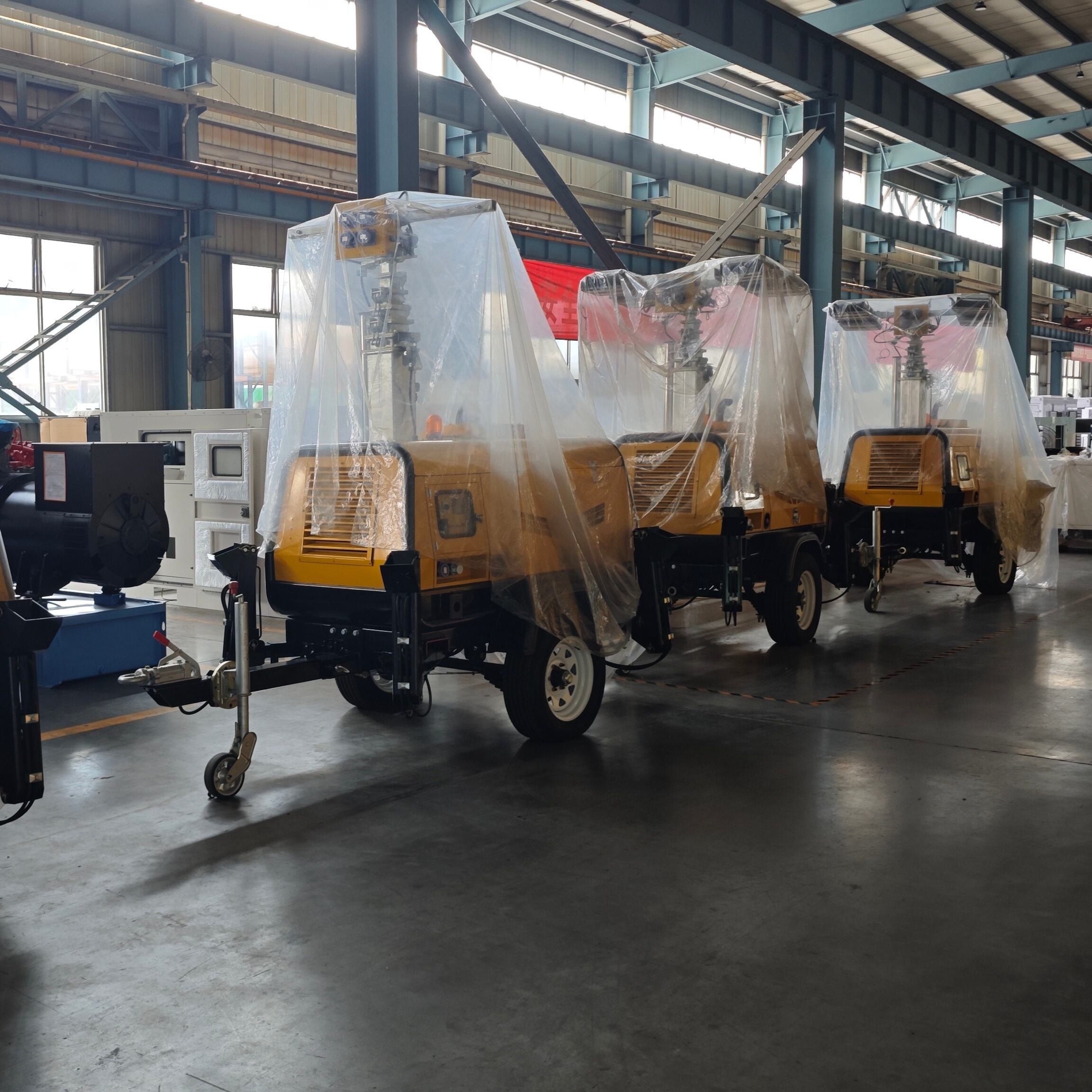
Last month I was called to a highway repair site outside the city where the construction crew was struggling to meet their nightly paving target. Their mobile light tower was running but the light was scattered over the trees and the actual work zone a 20 meter stretch of road was still in shadow. The foreman told me they had just pointed the lights straight down thinking that would be best. I brought over our professional grade mobile light tower and demonstrated the correct adjustment process. First I raised the mast to its full height of 9 meters to avoid tree obstruction. Then I adjusted each of the four LED lamp heads on the mobile light tower individually tilting the outer two at a 30 degree angle to cover the edges of the work zone and the inner two at a 15 degree angle to focus on the paver machine. Within five minutes the entire area was lit evenly with no harsh shadows. The crew finished the paving two hours early and the foreman noted that workers made far fewer small errors with the improved visibility. This experience showed me that proper angle adjustment turns a mobile light tower from a basic tool into a productivity booster and our product’s precision controls make this adjustment intuitive and fast.
The Optics of Light Angles for Mobile Light Tower Efficiency
Adjusting the light angle of a mobile light tower is not just about pointing the lights it is about understanding how light travels and interacts with the work surface. Construction sites need uniform illumination without glare which can blind workers or create dangerous shadow pockets. A mobile light tower with lamp heads set too flat will waste light on the horizon while angles that are too steep will create a small bright spot with dark edges around the work zone. Our mobile light tower uses high efficiency LED panels with a wide beam angle of 120 degrees which means each lamp head can cover a large area when adjusted correctly. The key is to balance the tilt angle with the mast height of the mobile light tower. Higher mast positions allow for wider angles to cover large sites while lower positions need steeper angles to maintain intensity on smaller work areas. Understanding this relationship ensures the mobile light tower delivers the exact foot candles of light required by construction safety standards without wasting energy or creating hazards.
Expert Recommendations for Construction Site Illumination
Dr Elena Moore a lighting engineer and consultant for the Construction Safety Institute has spent 18 years developing illumination guidelines for night work. She states that the biggest mistake crews make with a mobile light tower is setting all lamp heads to the same angle. In her published field manual she recommends a zoned lighting approach for mobile light tower use dividing the site into primary work areas secondary walkways and equipment storage zones. Dr Moore specifies that primary zones need a 15 to 20 degree tilt from vertical while secondary zones can use a 30 to 45 degree tilt to cover more ground with lower intensity. She highly recommends our mobile light tower models highlighting that the independent pan and tilt controls on each lamp head make it easy to implement her zoned approach. She also notes that our mobile light tower’s glare reduction technology works best when angles are set correctly protecting workers eyes and improving overall site safety.
How Our Mobile Light Tower Simplifies Precision Angle Adjustment
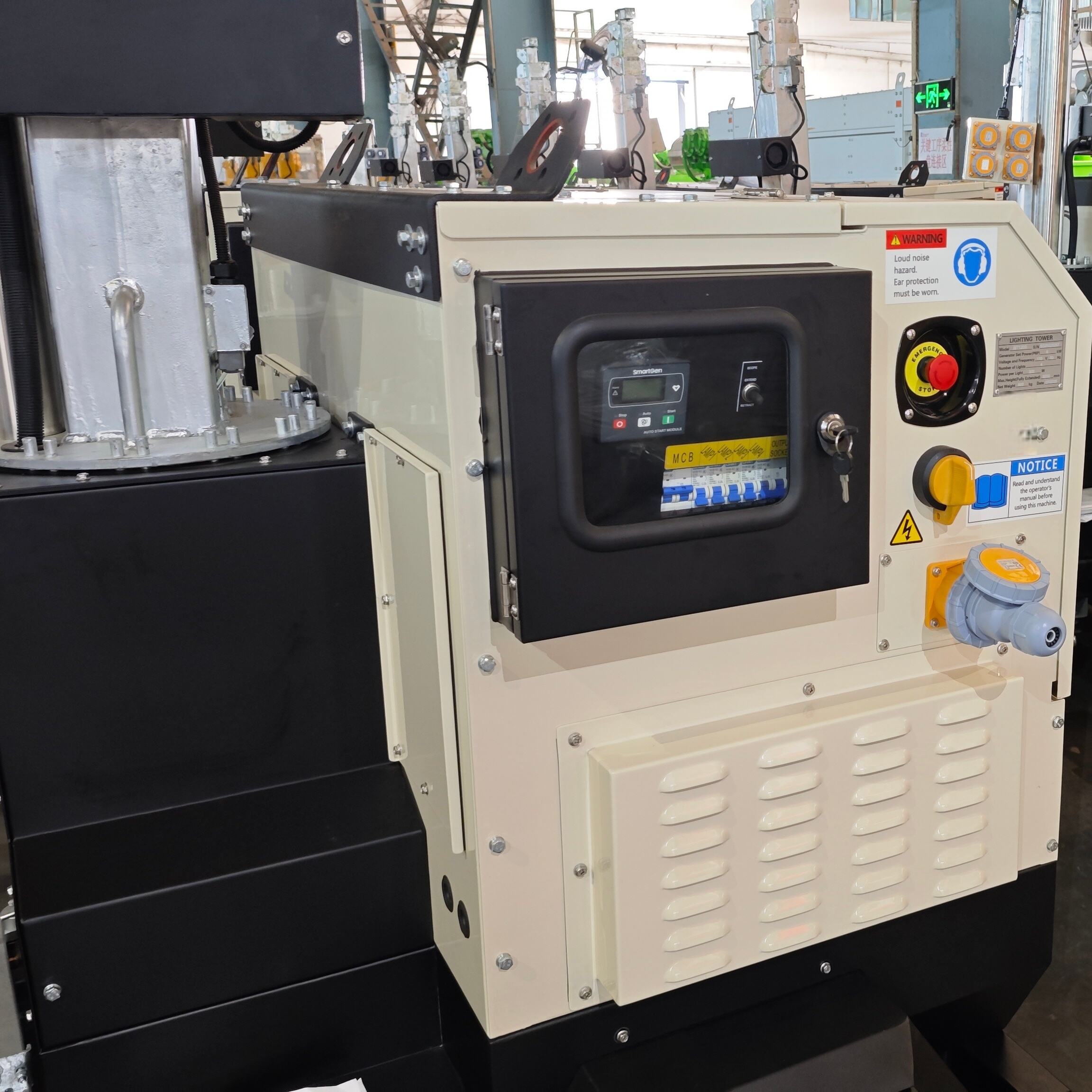
Our mobile light tower is engineered with construction workers in mind featuring design elements that make angle adjustment precise and effortless even in dark conditions. First every lamp head on the mobile light tower has a heavy duty locking knob with clear degree markings etched into the housing eliminating guesswork. The knobs are rubber coated for a secure grip even when hands are wet or gloved a common scenario on night construction sites. Second our mobile light tower uses a gas strut assisted mast that locks at precise height intervals allowing operators to set the perfect height before adjusting the light angles. Third we equip the mobile light tower with a built in light meter on the control panel that measures the illumination level at the work surface in real time. This lets operators adjust the angles of the mobile light tower while watching the meter ensuring they meet the exact safety standards for their specific task whether it is fine concrete work or heavy excavation.
Step by Step Guide to Adjusting Your Mobile Light Tower Angles
Based on years of field feedback and collaboration with construction crews we have created a simple step by step guide to adjust the light angles of your mobile light tower for night construction. First position the mobile light tower at the edge of the work zone ensuring it is on level ground and the mast is clear of power lines and obstacles. Second raise the mast to the recommended height usually 7 to 9 meters for most road and building sites using the mobile light tower’s winch or hydraulic lift. Third turn on the mobile light tower and walk to the center of the primary work area to assess the current coverage. Fourth adjust the inner lamp heads first tilting them to a 15 degree angle to create a bright core work zone around machinery. Fifth adjust the outer lamp heads to a 30 degree angle to cover walkways and material staging areas. Sixth lock all knobs firmly to prevent the mobile light tower from shifting angles in wind. Finally walk the entire site to check for shadows and adjust individual angles as needed. Our support team provides printed guides that attach to the mobile light tower for quick reference ensuring every crew member can make these adjustments correctly and safely.