EN
EN

Assessing Structural and Environmental Constraints of the Container Generator Set
Spatial Limitations, Weight Distribution, and Load-Bearing Capacity
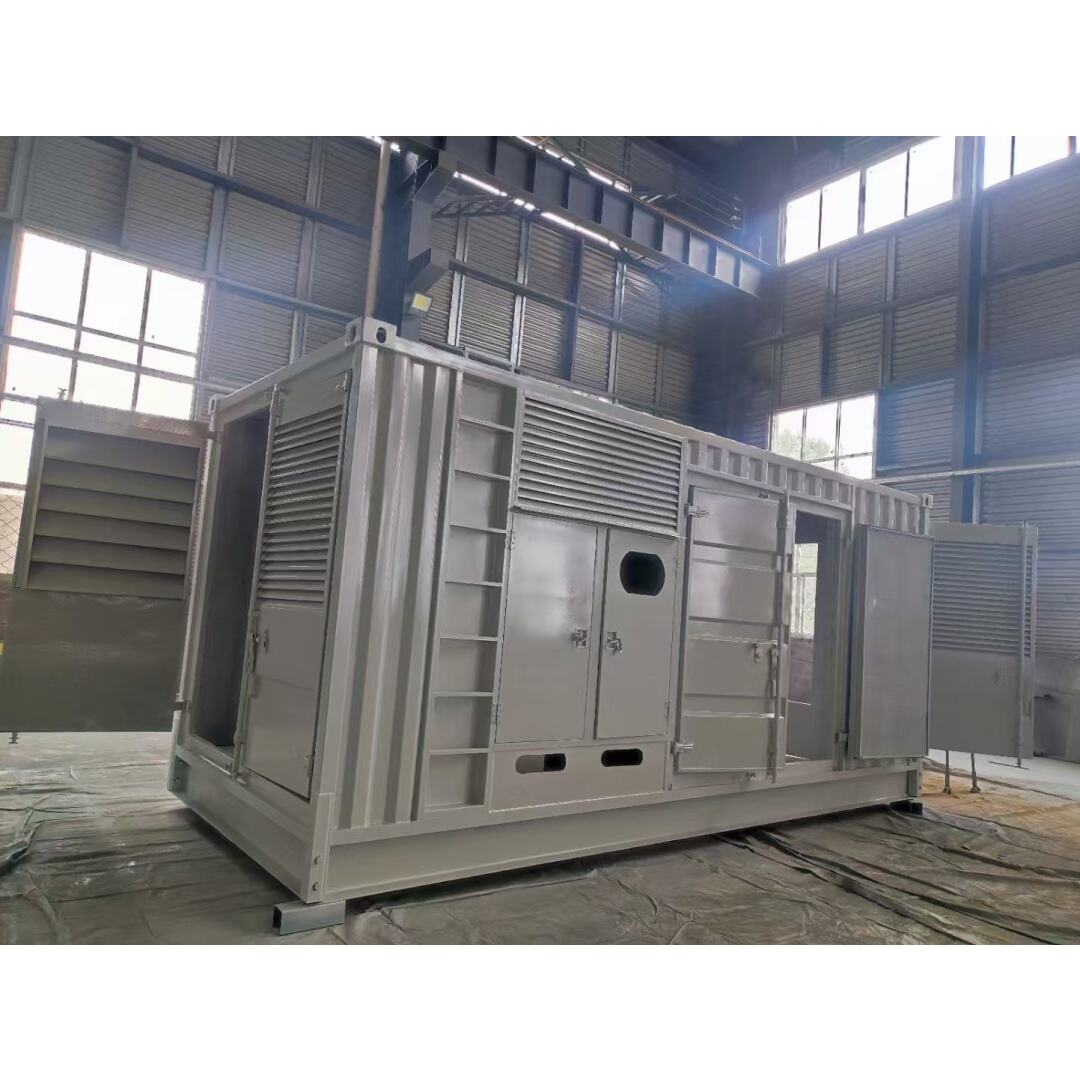
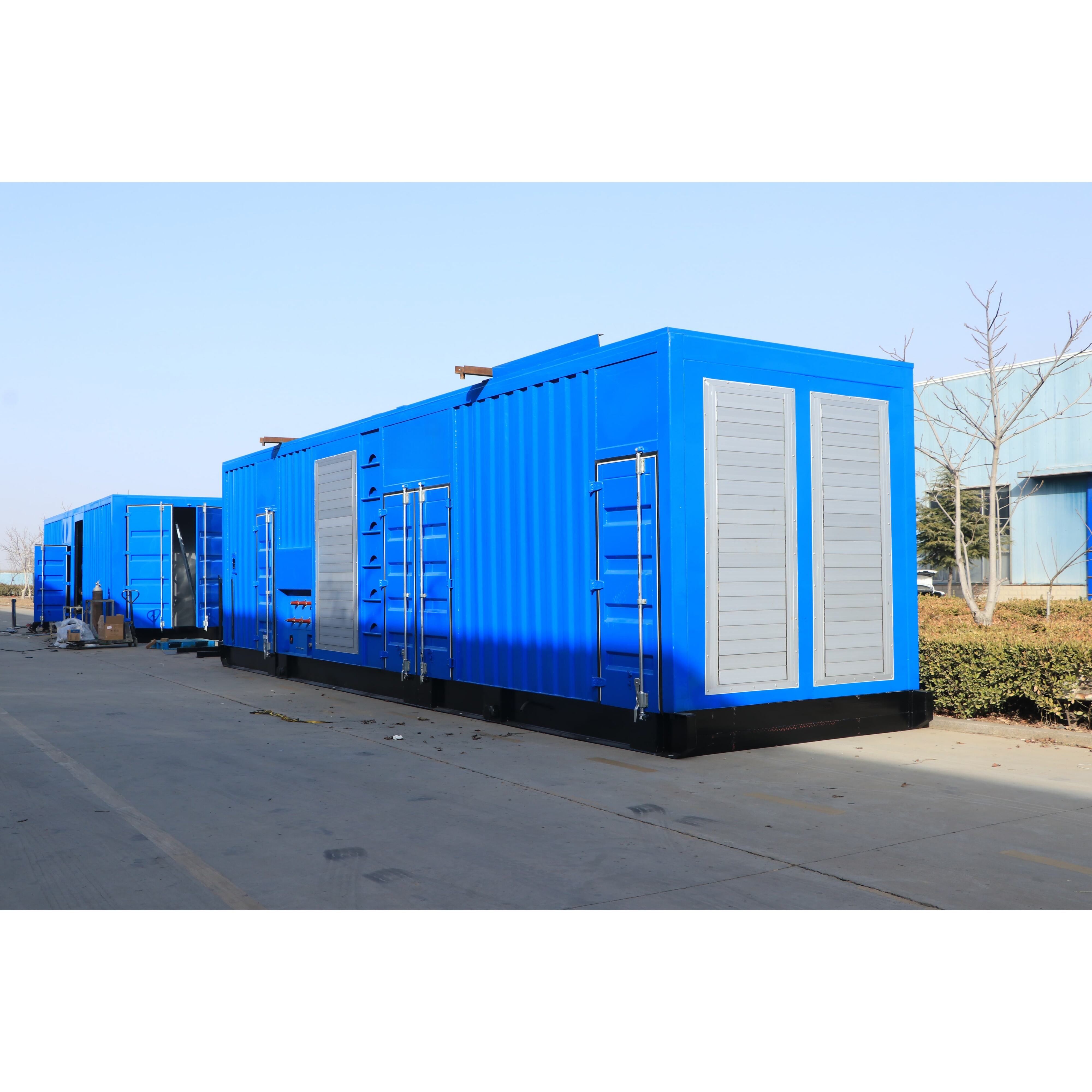
Generator sets installed in containers need to fit inside strict ISO size limits, which means components have to be placed just right to keep the whole thing structurally sound and safe for transport. Weight distribution is a big deal for engineers working on these setups, particularly when adding extra equipment such as fuel storage tanks or large battery packs. If not done properly, certain areas might experience too much stress, potentially warping the frame or putting too much pressure on specific support points. Most standard 20 foot containers can handle up to around 15,000 pounds on their floors before things get problematic. For this reason, heavier parts should go close to the main structural beams and underneath supports where they won't cause issues during operation. Getting this right makes sure everything stays secure while being moved around and continues functioning well once it reaches its destination site.
Thermal Management, Vibration Isolation, and IP55 Compliance Requirements
Managing heat buildup matters a lot when generators sit inside enclosures. Without proper air movement, the combined heat from engines and electrical components can easily send internal temps past 60 degrees Celsius. The forced air cooling system needs careful sizing and strategic duct placement to keep things cool throughout the space. This helps avoid those dangerous hot spots that form around important control panels or battery banks. Don't forget about vibration isolation mounts either. These little components do big work by reducing wear and tear on connections over time and cutting down on annoying resonant noises that might exceed the 75 decibel limit. For installations facing tough conditions, the enclosure should meet IP55 protection standards according to IEC 60529 guidelines. That basically means it stands up against dust getting inside and handles light water spray from any angle. Getting there requires good seals wherever cables or pipes pass through the enclosure walls, along with materials that won't corrode quickly if installed near saltwater or in damp locations.
Step-by-Step Installation of Auxiliary Equipment in a Container Generator Set
Pre-Installation Site Survey and Interface Mapping
Doing a thorough site check before installation really matters. We need to look at space requirements for storing fuel, where the exhaust will go, and how easy it is to get service access. Also important are the current utility connections like electrical wires and grounding spots. The ground itself needs to hold up too. Most manufacturers want the surface to support about 125% of what the extra equipment weighs. Thermal imaging comes in handy here too. It shows us areas that might be sensitive to heat so we can place things properly without damaging batteries or electronic controls. When we map all these details ahead of time, it saves money later on when unexpected problems pop up during actual installation.
Mounting Fuel Tanks, Exhaust Silencers, and Automatic Transfer Switches
Securing fuel tanks properly means attaching them to reinforced floor mounts with those special vibration isolating brackets. We also need to keep at least around 15 centimeters between the tanks and any walls or nearby equipment. For the exhaust system, silencers go after the turbochargers connected with flexible stainless steel couplings that handle both heat expansion and mechanical movement. When installing an Automatic Transfer Switch (ATS), place it close to where main power comes in but leave plenty of room upfront for maintenance access, ideally over 30 centimeters clear space. Torque matters too important ones include tightening fuel tank anchors to about 45 Newton meters, exhaust clamps at roughly 25 Nm, and making sure ATS busbar connections reach 60 Nm. Getting all big parts lined up along the same direction as the generator helps prevent unnecessary stress buildup while everything runs.
Integrating Wiring, Piping, and Sealing While Maintaining IP55 Integrity
When installing armored cables alongside fluid lines, it's important to keep them in their own separate paths instead of bundling everything together. This helps avoid problems with electromagnetic interference and heat transfer between different systems. At cable entry points, make sure to install proper grommets for sealing, and don't forget to apply dielectric grease on those crimped connections rated by UL standards before making any terminations. Regarding the piping setup, braided flexible hoses work well for areas where fuel lines need some movement room. Wrap ceramic wool around exhaust pipes for insulation, and remember that every pressure system needs thorough hydrostatic testing at 1.5 times its normal operating pressure. The entry seals should use silicone compounds that can handle temperatures from minus 40 degrees Celsius right up to 120 degrees. And finally, after installation, the whole assembly must pass IP55 protection tests according to IEC 60529 standards. That means no water gets inside even after being exposed to mist for ten full minutes.
Ensuring Operational Reliability and Future-Proofing the Container Generator Set
Modular Integration of Remote Monitoring and Battery Energy Storage
When remote monitoring systems work alongside battery energy storage solutions (BESS), they create a modular setup that makes the whole system much more reliable and adaptable over time. The cloud based dashboards send instant notifications when there are problems with voltage levels, changes in fuel amounts, or unusual temperatures, which lets technicians fix issues before anything actually breaks down. Most BESS units come in standard rack mount sizes that can be scaled up easily from around 50kWh all the way to 500kWh without needing any major structural changes to existing facilities. What really stands out is how these systems maintain their IP55 protection rating through sealed conduits throughout the installation. This design also allows companies to gradually incorporate new tech like hydrogen ready fuel cells or AI powered load prediction tools without having to replace everything at once. Separating the control components from the actual power generation hardware cuts down on overall lifetime expenses by somewhere between 18 and 22 percent compared to traditional fixed configuration setups, plus it keeps everything compliant with increasingly strict environmental regulations and grid connection requirements.