EN
EN

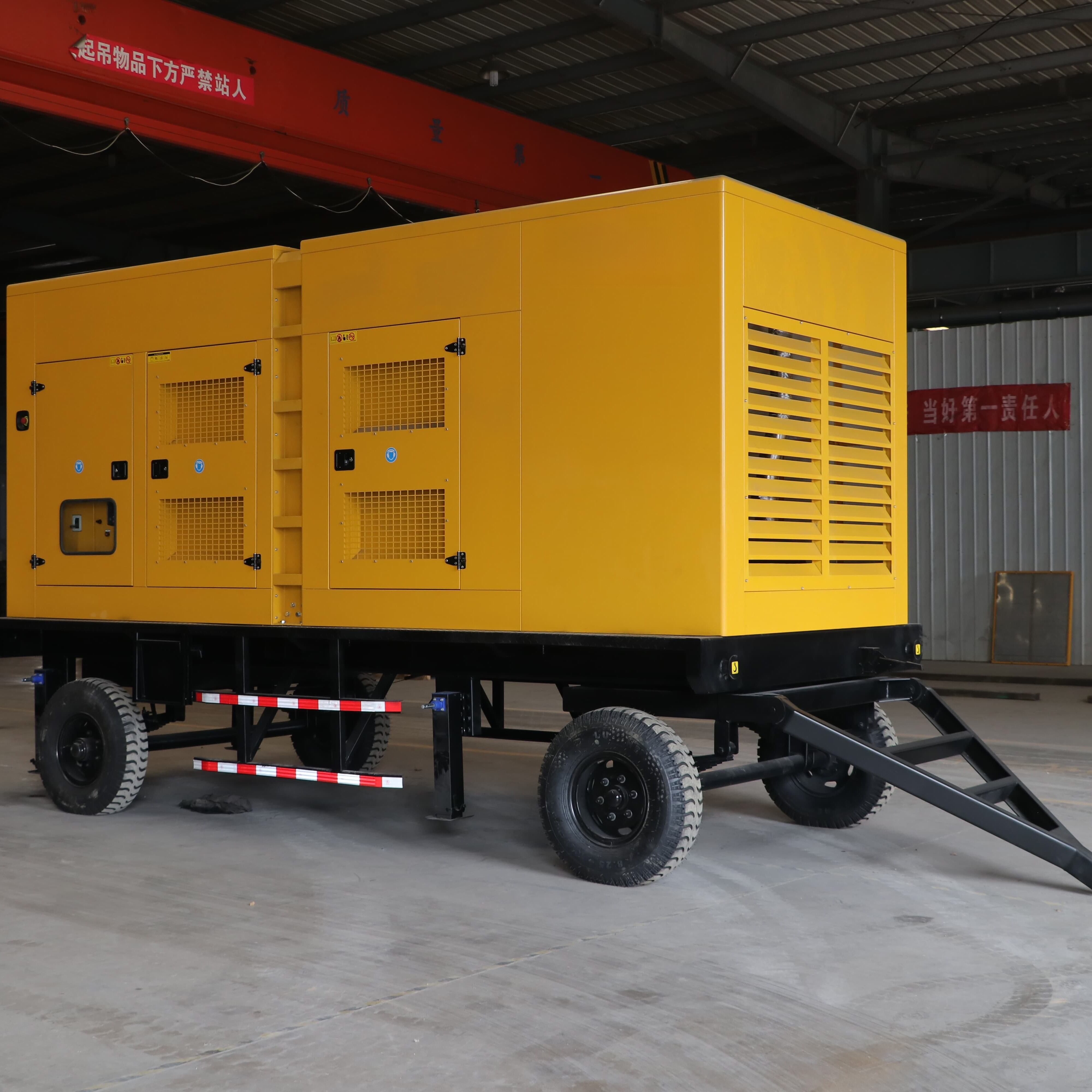
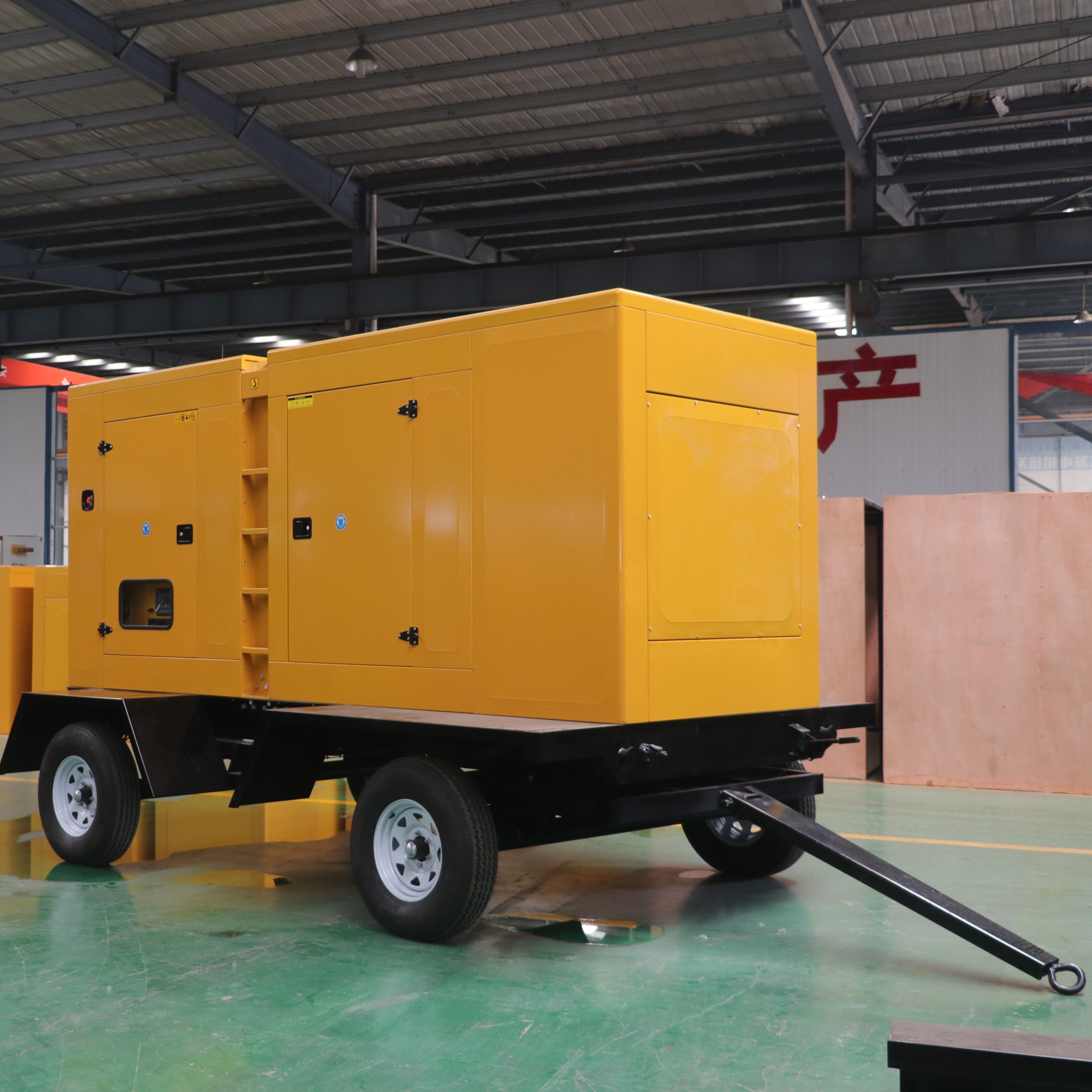
Hospitals are critical places where every detail relates to the lives and health of patients. Emergency generators for hospitals serve as the final guarantee of power supply, activating immediately when the main power grid fails to ensure the continuous operation of life support equipment, operating rooms, and intensive care units. As a globally leading professional generator set manufacturer with nearly 30 years of experience, Shanghai Outevo Machinery Co., Ltd. deeply understands the special requirements of hospital scenarios. Strict noise control is one of the core standards for emergency generators for hospitals. This is not only a requirement of relevant regulations but also a necessary condition to ensure the normal order of hospitals and the physical and mental health of patients and medical staff. Based on practical cases, professional knowledge, and industry standards, this article will elaborate on the reasons why emergency generators for hospitals must meet strict noise control standards.
Protect the physical and mental health of patients
Patients in hospitals are often in a weak physical state, and their ability to withstand external stimuli is significantly reduced. Excessive noise from emergency generators for hospitals will cause serious damage to their physical and mental health. From a physical perspective, continuous high-decibel noise can affect patients' sleep quality, leading to insomnia, fatigue, and decreased immunity, which is not conducive to disease recovery. For patients with cardiovascular and cerebrovascular diseases, noise can also cause blood pressure to rise, heart rate to accelerate, and even induce acute illness.
Mentally, noise can trigger anxiety, irritability, and fear in patients, especially those in intensive care units or recovering from major surgeries. They are more sensitive to the surrounding environment and need a quiet and stable space to soothe their emotions. Outevo's emergency generators for hospitals adopt advanced sound insulation and noise reduction technology, integrating modular soundproof enclosures and low-noise engines. The noise level during operation is controlled below 60 decibels, which is equivalent to the volume of normal conversation. In a top-tier hospital in southern China, after replacing with Outevo's emergency generators for hospitals, patients in the wards near the generator room reported a significant reduction in noise disturbance, and the sleep quality and emotional stability of patients have been greatly improved.
Medical experts point out that the noise environment in hospitals directly affects the treatment effect and recovery speed of patients. The World Health Organization has clearly stipulated that the noise level in hospital wards should not exceed 35 decibels during the day and 30 decibels at night. Although emergency generators for hospitals are only activated in emergency situations, their noise still needs to be strictly controlled to avoid affecting patients. Outevo's R&D team has conducted thousands of tests and optimizations to minimize the noise of emergency generators for hospitals while ensuring power output, providing a quiet healing environment for patients.
Ensure the normal conduct of medical work
Medical work requires a high degree of concentration and accuracy, and excessive noise from emergency generators for hospitals will seriously interfere with the normal conduct of medical work. In operating rooms, doctors and nurses need to communicate clearly and cooperate closely during surgeries. Noise can obscure verbal instructions, leading to misunderstandings and affecting the smooth progress of surgeries. In diagnostic departments such as ultrasound and electrocardiography, precise instruments are required to collect patient data, and noise interference may cause instrument failures or inaccurate test results, affecting the diagnosis and treatment of diseases.
Outevo's emergency generators for hospitals are designed with noise reduction as a key indicator. The soundproof enclosure is made of high-density sound-absorbing materials, which can effectively isolate noise. At the same time, the generator's exhaust system is equipped with a silencer to reduce exhaust noise. In a hospital's cardiac surgery center, during a critical surgery, the main power grid suddenly failed, and Outevo's emergency generator for hospitals was activated immediately. Due to its low noise operation, the surgical team did not receive obvious interference and successfully completed the surgery. The hospital's medical director highly praised the performance of the generator, emphasizing that low noise is crucial for ensuring the continuity and safety of medical work.
Medical equipment experts explain that modern medical equipment is increasingly precise and sensitive to noise. Excessive noise can cause electromagnetic interference to equipment, affecting its normal operation. Emergency generators for hospitals with strict noise control can not only avoid interference with medical equipment but also ensure that medical staff can maintain a clear mind and efficient work state in emergency situations. Outevo's emergency generators for hospitals have passed strict electromagnetic compatibility tests and noise detection, meeting the special requirements of hospital medical work.
Comply with national regulations and industry standards
Hospitals are public welfare institutions with high requirements for environmental protection and safety. Emergency generators for hospitals must meet strict noise control standards, which is a mandatory requirement of national regulations and industry standards. In China, the "Environmental Noise Pollution Prevention and Control Law" and "Hospital Environmental Hygiene Standards" clearly stipulate the noise limit of equipment in hospitals. Emergency generators for hospitals that fail to meet the noise standards are not allowed to leave the factory or be used in hospitals.
Shanghai Outevo Machinery Co., Ltd. strictly abides by national and international relevant standards in the production of emergency generators for hospitals. All products have passed the detection of authoritative institutions, and the noise level is far lower than the national standard limit. The company's emergency generators for hospitals have obtained a number of certifications such as the ISO environmental management system certification and medical equipment-related safety certifications, and are sold to more than 100 countries and regions around the world, meeting the local noise control requirements. For hospitals, using emergency generators that meet noise standards is not only to comply with regulations but also to avoid legal risks and administrative penalties.
Industry regulatory authorities emphasize that hospitals, as key units for noise control, must strictly screen emergency power supply equipment. Emergency generators for hospitals that do not meet noise standards will disrupt the hospital's normal order and cause environmental pollution, and relevant responsible persons will be held accountable. Outevo's emergency generators for hospitals are designed and produced in full accordance with regulatory requirements, and the company will provide users with complete certification documents and test reports to help hospitals smoothly pass various inspections.
Maintain the normal order of the hospital
Hospitals need a quiet and orderly environment to ensure the smooth progress of various work. Excessive noise from emergency generators for hospitals will disrupt the normal order of the hospital, affecting not only patients and medical staff but also visitors. In the corridors, waiting areas, and other places of the hospital, noise can cause confusion and anxiety among people, affecting the service quality and image of the hospital.
In addition, hospitals are often located in urban areas with dense populations. The noise from emergency generators for hospitals that do not meet the standards may also affect the lives of surrounding residents, leading to complaints and disputes. Outevo's emergency generators for hospitals adopt a fully enclosed noise reduction design, which not only controls the noise inside the hospital but also reduces the impact on the surrounding environment. In a hospital located in the city center, after using Outevo's emergency generators for hospitals, there have been no more complaints from surrounding residents about generator noise, and the hospital's public image has been further improved.
Hospital management experts point out that maintaining a quiet and orderly environment is an important part of hospital management. Emergency generators for hospitals, as necessary equipment, should not become a source of noise pollution. Strict noise control can help hospitals maintain normal order, improve service quality, and enhance patient satisfaction. Outevo provides customized noise reduction solutions for different hospital scenarios, such as adjusting the installation position of generators and adding sound insulation barriers, to minimize the impact of noise on the hospital and the surrounding environment.
Ensure the stable operation of the generator itself
Strict noise control standards for emergency generators for hospitals are not only to meet external requirements but also to ensure the stable operation of the generator itself. Noise is often closely related to the operating status of the generator. Excessive noise may indicate problems such as unstable operation, component wear, or poor installation of the generator. By controlling noise, it can be ensured that the generator operates in a stable and efficient state, reducing the risk of failure.
Outevo's emergency generators for hospitals are manufactured with high-precision processing technology and strict quality control. The matching degree between components is high, and the operation is smooth, which fundamentally reduces noise. At the same time, the company's after-sales team will conduct regular inspections and maintenance of the generators, including checking the wear of parts, the tightness of connections, and the performance of the sound insulation system. Through these measures, the generator can be maintained in a good operating state, ensuring that it can be activated immediately when needed.
In a hospital in northern China, an old emergency generator often had excessive noise during operation, and failures occurred frequently. After replacing with Outevo's emergency generator for hospitals, not only the noise problem was solved, but also the stability of the generator was greatly improved. It has been operating stably for three years without any failures, providing a reliable power guarantee for the hospital. Power equipment experts explain that there is a positive correlation between the noise level and the reliability of the generator. Generators with strict noise control usually have better performance and longer service life.
In conclusion, emergency generators for hospitals must meet strict noise control standards to protect the physical and mental health of patients, ensure the normal conduct of medical work, comply with national regulations and industry standards, maintain the normal order of the hospital, and ensure the stable operation of the generator itself. As a professional manufacturer with nearly 30 years of experience, Shanghai Outevo Machinery Co., Ltd. has strong technical strength and advanced production equipment. Its emergency generators for hospitals adopt advanced noise reduction technology, with the advantages of low noise, high reliability, and strong power. The company can also provide customized solutions according to the specific needs of hospitals, and provide comprehensive after-sales services including installation, commissioning, and maintenance. Choosing Outevo's emergency generators for hospitals is not only to meet the noise control requirements but also to obtain a reliable, safe, and high-quality emergency power supply guarantee, contributing to the development of medical and health undertakings.