Low Power, Unstable Running and Black Smoke
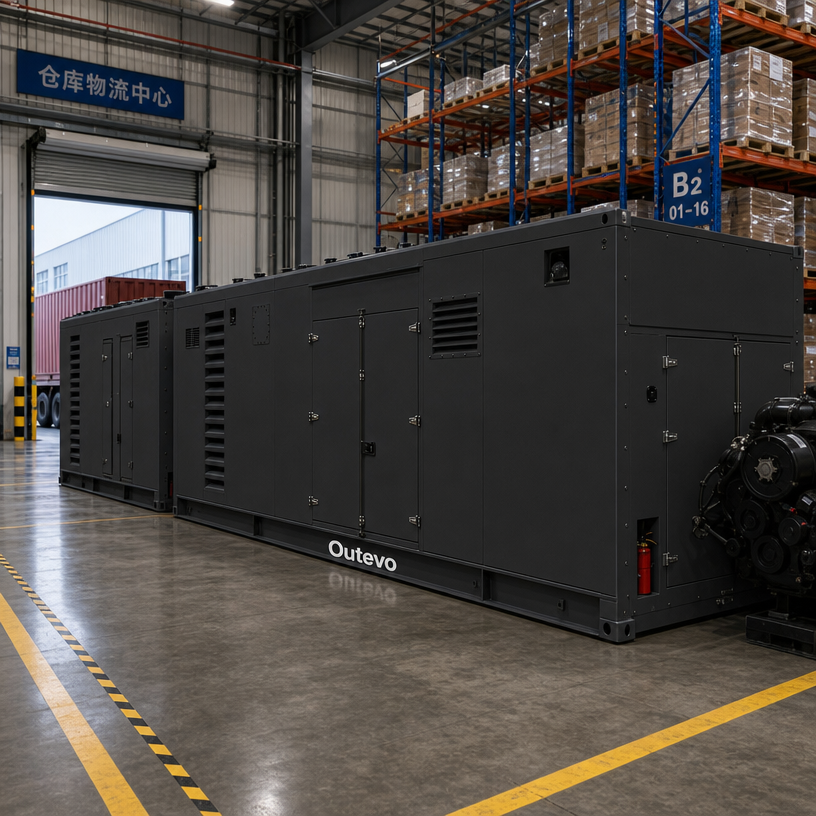
Container diesel generator sets are widely used across Russia for construction sites, mining, oil and gas fields, remote camps and emergency power supply. The container structure protects the engine and alternator from cold weather, wind, dust and noise. Even so, operators in cold regions often report three common problems: low output power, unstable engine speed and black smoke from the exhaust.
These symptoms usually do not mean the generator set is beyond repair. In most cases, the root cause comes from the fuel supply system or the cylinder compression system. If these areas are checked properly, many problems can be solved without major disassembly.
In Russia and similar cold climates, diesel generator sets work under demanding conditions. Low temperature makes diesel fuel thicker and increases the risk of wax formation. Fuel quality may also vary, especially when fuel is stored for a long time in remote tanks. Battery performance can drop, and engines may run for long periods under partial load.
When fuel does not flow smoothly, the engine cannot receive enough clean diesel at the correct pressure. When cylinder compression is weak, combustion becomes incomplete. Both conditions can cause power loss, speed fluctuation, difficult starting and black smoke.
That is why field technicians should not start with major engine repair. A structured check of fuel and compression usually gives clearer answers.
The fuel system is one of the most common reasons for low power and unstable running. Even if the engine starts normally, poor fuel delivery often becomes obvious when the generator is put under load.
Fuel injectors atomize diesel into a fine spray so it can burn cleanly inside the cylinder. If an injector is clogged, worn or leaking, fuel may enter the combustion chamber as large droplets instead of a proper mist. This leads to incomplete combustion.
Typical signs include:
Solution:
Inspect the injectors on a test bench. Clean or replace injectors that show poor spray pattern, low opening pressure or leakage. If one injector is faulty, check the others as well, because fuel contamination usually affects more than one cylinder.
The high-pressure fuel pump supplies diesel to the injectors at the correct pressure and timing. If the pump plunger, delivery valve or governor is worn, fuel supply may become insufficient or unstable.
Operators may notice:
Solution:
Check fuel injection timing and pump delivery pressure according to the engine manual. Worn plungers, delivery valves or governor components should be repaired or replaced by qualified technicians. Incorrect injection timing can also cause overheating, hard starting or heavy smoke.
Air in the fuel system is a frequent but easily overlooked fault. When air enters the low-pressure fuel circuit, the lift pump cannot deliver a steady flow of diesel. The engine may run roughly, lose power, or even stop suddenly.
Common causes include:
Typical symptoms include:
Solution:
Bleed the fuel system starting from the fuel filter and then the high-pressure pump, following the manufacturer’s procedure. Tighten all fuel line connections and replace aging hoses. Keep the fuel tank at a sufficient level, and drain water from the fuel filter regularly. After any fuel filter change, always bleed the system before full-load operation.
Black smoke does not always mean the engine is seriously damaged. It mainly indicates that combustion is incomplete. Besides fuel and compression faults, several other factors should be checked.
A blocked air filter is one of the simplest but most common causes of black smoke. If the engine cannot receive enough air, the fuel-air mixture becomes too rich. Checking the air filter, intake pipes and turbocharger should be part of every basic inspection.
Overloading can also cause black smoke. If the connected load exceeds the generator’s rated capacity, the engine will inject more fuel than it can burn cleanly. In such cases, the correct action is to reduce the load rather than adjust the fuel system.
Turbocharger problems may also affect performance. A damaged or sluggish turbocharger can reduce intake air pressure, leading to poor combustion, black smoke and power loss. Check the turbocharger for shaft play, oil leaks, unusual noise and restricted intake or exhaust flow.
For container generator sets operating in Russia or similar cold regions, the following sequence helps avoid unnecessary repairs.
To reduce the risk of low power, unstable running and black smoke, preventive maintenance is more effective than repeated troubleshooting.
For generator sets installed in remote Russian sites, it is also helpful to prepare a basic spare-parts kit: fuel filters, air filters, injectors, gaskets, valve seals and fuel line fittings. This allows faster response when fuel quality or cold weather causes minor faults.
Low power, unstable running and black smoke in container diesel generator sets are usually caused by fuel supply problems or insufficient cylinder compression. Clogged injectors, poor high-pressure pump performance and air in the fuel lines can reduce power and make the engine run unevenly. Excessive piston-to-liner clearance, poor valve sealing and head gasket leakage can cause hard starting, compression loss and smoke.
In cold regions such as Russia, fuel quality, low temperature and long storage conditions make these problems more likely. A clear inspection sequence—air system, fuel system, injectors, compression and load—can help operators find the root cause quickly and avoid unnecessary engine disassembly.

Shanghai Outevo Machinery Co., Ltd. provides custom power supply solutions for industrial applications. Our diesel generator sets deliver reliable, stable electricity with 24/7 production and nationwide support. Request a quote today.
Copyright © Shanghai Outevo Machinery Co., Ltd Privacy Policy