Maximizing Your Container Generator in the Middle East A Practical Field Guide
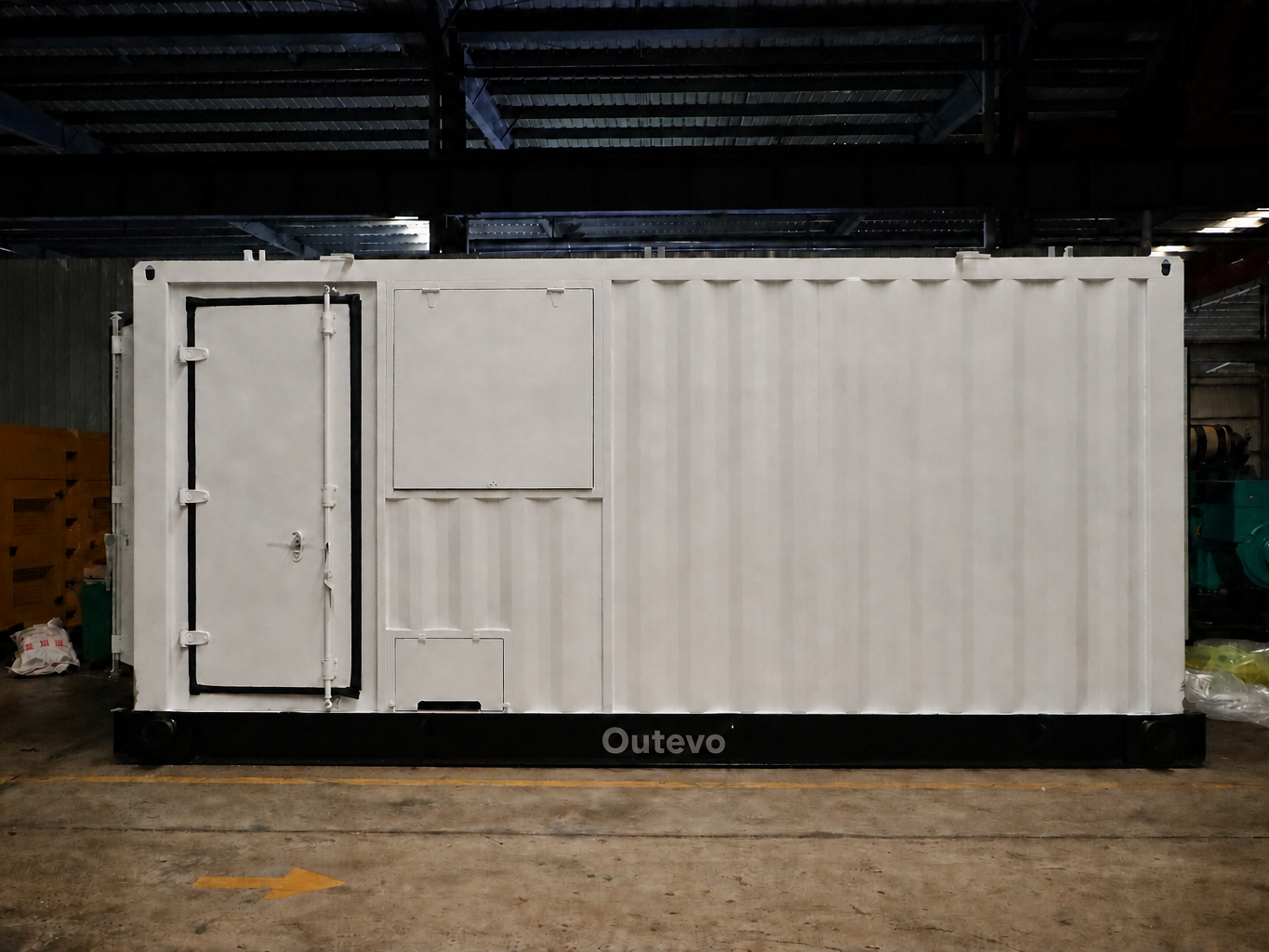
Maximizing Your Container Generator in the Middle East: A Practical Field Guide
Operating a containerized generator in the Middle East is a unique challenge. The region’s combination of extreme heat, high humidity, and fine airborne dust can quickly degrade equipment if not properly managed. This guide provides practical, field-tested advice to help you protect your investment, ensure uninterrupted power, and extend the lifespan of your generator.
1. Environmental Management: Your First Line of Defense
The Middle Eastern environment is harsh on machinery. Proactive environmental management is crucial.
- Combat the Heat: High ambient temperatures are the primary enemy of generator efficiency. Ensure the container’s HVAC system is functioning correctly to maintain a safe internal temperature. Remember that for every 10°C rise in operating temperature, the lifespan of internal components can be significantly reduced. If the inlet air temperature exceeds 40°C, you must derate the generator's power output to prevent overheating.
- Fight the Dust: Fine desert sand and dust can clog air filters and coat radiator fins, leading to poor combustion and overheating. Inspect and clean air filters frequently. Use compressed air to clean them from the inside out, and replace them at the first sign of significant blockage. Regularly wash the external radiator fins to prevent dust buildup, which acts as an insulating blanket and traps heat.
- Manage Humidity: Coastal areas in the Middle East can be extremely humid. To prevent internal condensation and corrosion on electrical components, consider installing an anti-condensation heater. This device keeps the generator's internal temperature slightly above the ambient temperature when the unit is not running.
2. Operational Best Practices: How You Run It Matters
How you operate the generator is just as important as how you maintain it.
- Avoid Prolonged No-Load Running: This is a critical rule. Running the generator without a sufficient load (below 30% capacity) causes incomplete fuel combustion. This leads to carbon buildup on pistons and injectors, oil dilution, and acidic corrosion in the exhaust system. Limit no-load running to a maximum of 5-10 minutes for warm-up and cool-down only.
- Warm Up and Cool Down Properly: Always allow the engine to idle for 3-5 minutes after starting before applying a load. This ensures proper oil circulation. Similarly, after removing the load, let the engine idle for another 3-5 minutes before shutting down. This cool-down period is vital for protecting the turbocharger from heat damage.
- Conduct Regular Load Testing: Don't just run the generator at no-load for monthly tests. Schedule regular sessions where the generator runs at 50-70% of its rated load for at least an hour. This burns off carbon deposits, ensures the engine reaches its optimal operating temperature, and verifies that the unit can handle a real-world load when needed.
3. Maintenance Schedule: Consistency is Key
A disciplined maintenance schedule prevents minor issues from becoming major failures.
- Daily/Pre-Start Checks: Make a quick 3-minute inspection a habit. Check engine oil and coolant levels. Inspect for any visible fuel or oil leaks. Ensure the battery terminals are clean and tight. Verify that the air intake and exhaust areas are clear of debris.
- The 250-Hour Service: This is your core maintenance interval. Change the engine oil and oil filter. Replace the fuel filter and clean or replace the air filter. Drain any water from the fuel-water separator. Check the tension and condition of all drive belts.
- The 1000-Hour Deep Service: For long-term reliability, perform a comprehensive service. This includes checking and adjusting valve clearances, inspecting the turbocharger, and testing the fuel injectors for proper atomization. Flush and replace the coolant if it appears dirty or contaminated.
4. Critical Safety Reminders
Safety should never be compromised.
- Never "Backfeed": Under no circumstances should you plug the generator into a wall outlet to power your home or facility. This practice, known as backfeeding, is extremely dangerous and can electrocute utility workers repairing nearby lines. Always use a proper transfer switch installed by a qualified electrician.
- Ensure Proper Grounding: Always connect the generator to a dedicated grounding point. This provides a safe path for stray electrical current and protects both personnel and sensitive equipment from electrical shock.
- Lockout/Tagout: Before performing any maintenance, always turn off the generator, disconnect the battery, and place a clear "Do Not Operate" warning tag on the control panel. This prevents accidental startup and protects maintenance personnel.
By following these guidelines, you can navigate the challenging Middle Eastern environment and ensure your container generator remains a reliable and efficient source of power for years to come.
