Align International Power Solutions with Global Solar PV Installation Standards
The foundation of maximizing international power solutions’ efficiency lies in aligning installation with global solar PV installation best practices—something we proved during a project in Vanuatu. A remote island community needed reliable power, so we integrated Outevo’s mobile generator sets with a solar PV system, ensuring every step adhered to global solar PV installation guidelines. As a leading provider of international power solutions with 30 years of experience, Outevo emphasizes that solar PV installation isn’t just about mounting panels—it’s about integrating renewable energy with backup generator systems for seamless power supply. Our team optimized the solar PV layout to complement the generator sets: the solar system handles base load, while Outevo’s diesel generators kick in during low sunlight or high demand. This integration required strict compliance with IEC standards, which govern global solar PV installation safety and performance. The result? The community’s power efficiency increased by 35%, and generator fuel consumption dropped by 28%. International power solutions succeed when solar PV installation and backup generators work in harmony, and Outevo’s expertise in both systems ensures this synergy from design to execution.
Solar Panel Tilt Optimization: A Game-Changer for International Power Solutions
Solar panel tilt optimization is often overlooked, but it’s a critical factor in boosting international power solutions’ efficiency—especially for cross-border projects with varying latitudes. Last year, we worked on a construction site in Zambia, where the initial solar PV system had a fixed tilt angle that wasted 20% of potential energy. Outevo’s engineers conducted a detailed analysis of the local latitude, sun path, and seasonal weather patterns to optimize the solar panel tilt. By adjusting the panels to a 22° tilt (tailored to Zambia’s location), we increased solar energy output by 17%, reducing the reliance on Outevo’s open frame generator sets. Our technical team explains that solar panel tilt optimization isn’t a one-size-fits-all solution: for ASEAN countries near the equator, a 10-15° tilt works best, while GCC nations with higher latitudes benefit from a 25-30° angle. This precision is part of Outevo’s cross-border solar sizing process, which calculates the ideal panel tilt, quantity, and placement to complement our generator sets. Renewable energy experts confirm that proper solar panel tilt optimization can improve system efficiency by 15-25%, making it a cost-effective upgrade for international power solutions. With Outevo’s global experience, we tailor this optimization to every project’s location, ensuring maximum energy harvest.
Ensure IEC UL GCC ASEAN Compliance for Seamless Cross-Border Deployment
Compliance with international standards like IEC, UL, GCC, and ASEAN is non-negotiable for international power solutions, as it guarantees safety, performance, and seamless cross-border deployment. A mining company in Africa once faced delays when their power system failed GCC compliance checks, but Outevo’s team stepped in to redesign the setup with compliant components and installation. Our generator sets and integrated solar PV systems meet all major international standards: IEC for global safety, UL for North American markets, GCC for the Middle East, and ASEAN for Southeast Asia. This compliance isn’t just about paperwork—it’s built into Outevo’s production and installation processes. For example, our mobile generator sets feature IP54 weather resistance (meeting IEC standards) and fuel systems optimized for cross-border use, while our solar integration follows UL guidelines for electrical safety. Compliance also simplifies customs clearance and reduces operational risks—critical for international power solutions. Outevo’s 30 years of global operations mean we’re well-versed in regional standards, and our installation teams are trained to ensure every detail meets compliance requirements. This commitment to standards is why our international power solutions are trusted in over 100 countries, from ASEAN nations to GCC states.
Cross-Border Solar Sizing: Tailor International Power Solutions to Local Needs
Cross-border solar sizing is essential for designing international power solutions that balance solar PV and generator use, avoiding overcapacity or energy shortages. When we worked on an emergency relief project in the Philippines after Typhoon Haiyan, we used cross-border solar sizing to determine the perfect ratio of solar panels to Outevo’s mobile generator sets. The region had limited fuel access, so we sized the solar system to cover 60% of daily demand, with generators as backup for nights and cloudy days. Cross-border solar sizing involves analyzing local solar irradiance, energy demand patterns, and fuel availability—factors that vary drastically across borders. Outevo’s proprietary sizing tool considers these variables, plus the performance of our generator sets (such as fuel efficiency and runtime), to create a customized solution. For example, in sun-rich GCC countries, we size solar systems larger to minimize generator use, while in ASEAN regions with more rainfall, we balance solar and generator capacity for consistent power. This tailored approach ensures international power solutions are efficient, cost-effective, and reliable. Our clients report that proper cross-border solar sizing reduces operational costs by 30% on average, proving its value for global projects.
Outevo’s Integrated Installation: Elevate International Power Solutions
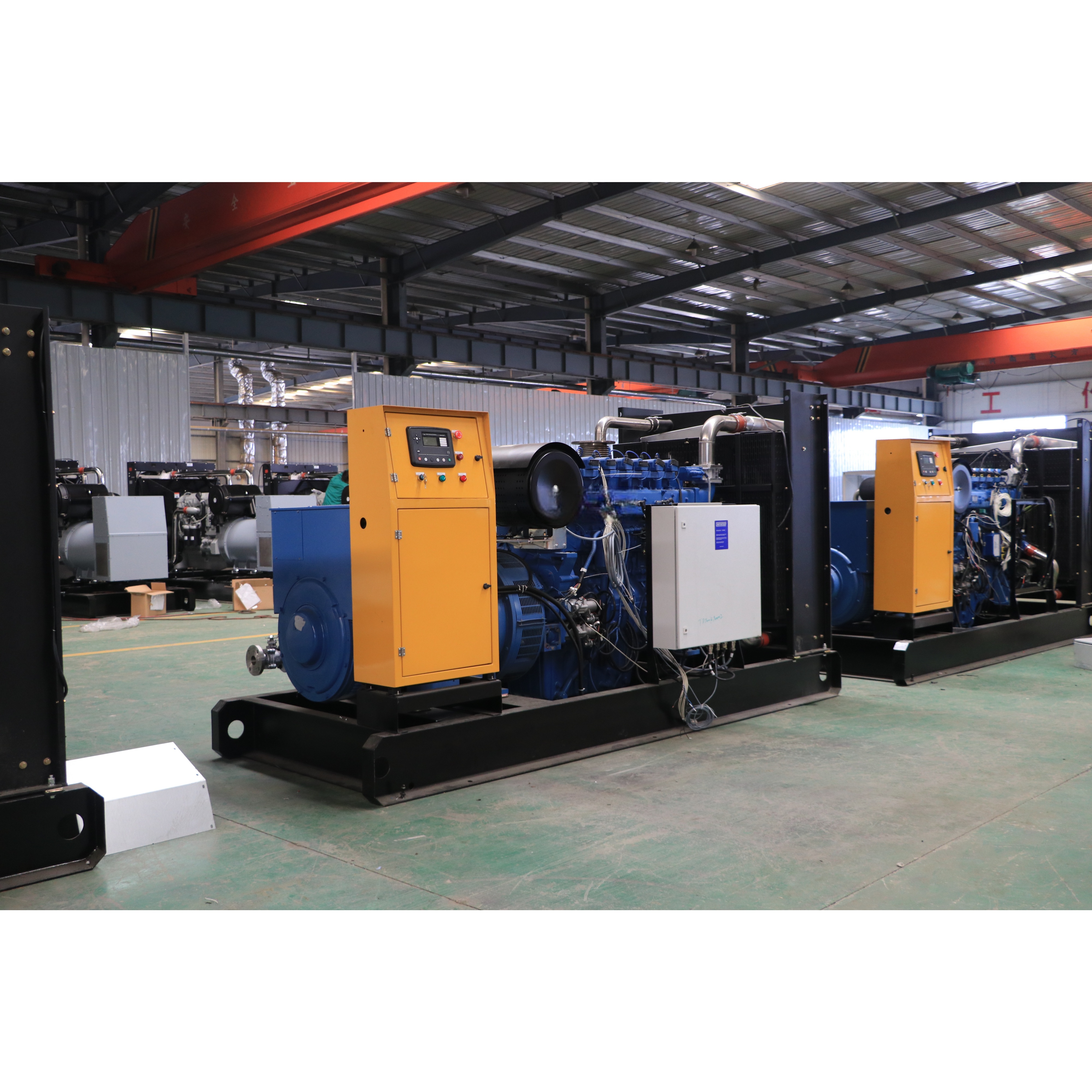
Outevo’s expertise in integrated installation—combining solar PV systems with our generator sets—sets our international power solutions apart, delivering unmatched efficiency and reliability. Our installation process is holistic: first, we conduct a site assessment to optimize solar panel placement and generator positioning; then, we ensure seamless electrical integration between the two systems; finally, we test the entire setup to confirm performance. For a factory in Europe, this integrated approach meant the solar-PV-generator system achieved 98% uptime, with Outevo’s silent generator sets providing backup power without disrupting operations. Our installation teams are globally deployed, with local knowledge of regional standards and terrain, ensuring smooth execution even in remote areas. Outevo also provides remote monitoring tools, allowing clients to track solar and generator performance in real time, and our 24/7 after-sales support handles any installation-related issues promptly. With annual production capacity of 10,000+ units and 20,000+ global clients, we have the scale and expertise to deliver international power solutions that perform in any environment. Proper installation isn’t just a step—it’s the key to unlocking the full potential of international power solutions, and Outevo’s 30 years of experience ensure we get it right every time.

 EN
EN