
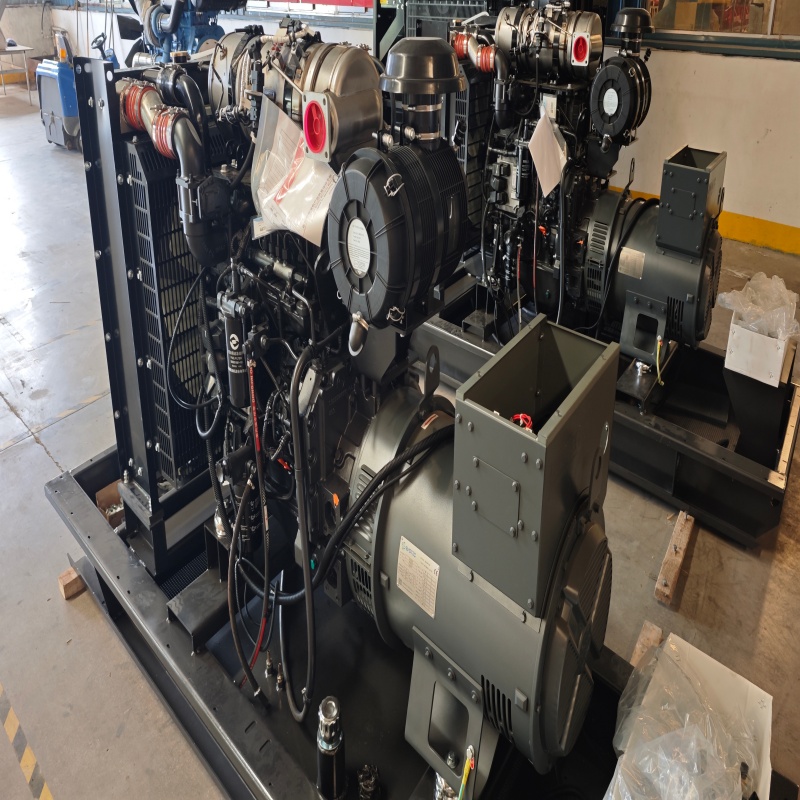
Things like ventilators, dialysis machines and heart monitors absolutely need constant electricity. If there's even a short power cut while someone's getting treatment, it could mean death for the patient. That's why mobile generators are so important. They kick in right away whenever the main power goes down, keeping those life saving machines running. Oxygen pumps continue to work, IV drips stay active, and doctors can still run tests on patients. For temporary field hospitals set up after disasters, where there might not be proper electrical connections at all, having reliable backup power makes all the difference. Without it, doctors struggle to stabilize injured people during emergencies when every second counts. We've seen this happen too many times already.
Mobile generators do much more than just keep life support machines running when there's no electricity for extended periods. These backup power sources light up emergency areas so medical staff can properly sort patients based on their needs. They also run heating and cooling systems to make sure people don't get too hot or cold while waiting for help. Plus, they keep all sorts of communication gear working including walkie talkies, cell phones that work through satellites, and internet connections. Having these communications stay online makes it possible for different rescue groups to work together without delays. And let's not forget about medicines that need specific storage conditions. When generators keep refrigeration units going, hospitals avoid losing valuable drugs that could otherwise spoil during power outages, which would only make things worse for everyone involved.
Mobile generators bring real flexibility when disasters strike. The compact design makes them easy to tow right into places like damaged buildings, makeshift medical areas, or flooded regions where regular electricity has gone out completely. Studies from WIPO on emergency systems show that being able to move equipment fast actually affects how many people survive because power gets there during those crucial first hours after something happens. These machines come with tough frames and special hitch systems so they don't need fancy tools to set up, which matters a lot when working through rough ground conditions that are common after major incidents.
The use of standardized connectors makes it much easier to connect things quickly and reliably when setting up at emergency sites. When rescue crews arrive, they can hook up power to their command trailers, medical tents, and temporary shelters in just a few minutes thanks to the pre-made cables that come with these systems. No need to wrestle with complicated wiring right there on site. What's really important is that these connection setups work with automatic paralleling features. This means the power from different generators can sync up smoothly with each other or even with the regular electricity grid. Keeping voltage stable matters a lot because many life saving machines and communication devices simply won't work properly if the power fluctuates too much, especially when operations go on for days or weeks at a time.
During extended power outages from things like Public Safety Power Shutoffs, wildfires, or major flooding situations, having generators that run efficiently for long periods really helps avoid supply chain problems. Some tested models can keep going for well over three days straight at about 75% capacity, using just around 1.5 gallons of fuel every hour even when temperatures drop below freezing. The protective casings are built to handle dust and water according to IP55 standards, and there are special kits available for colder climates so these units will start reliably down to minus 40 degrees Fahrenheit. What's particularly smart about them is the turbocharged engine design that compensates automatically when oxygen levels decrease at higher elevations. This makes all the difference in areas where wildfires are common in mountainous terrain, where consistent power generation is absolutely critical during emergency response efforts.
The real world has shown time and again just how dependable mobile generators can be when disaster strikes. Take what happened back in 2021 when Texas' power grid went down completely. Mobile generators kept lights on at 90% of those emergency shelters across the state, saving folks from losing around $740k every single minute according to Ponemon Institute research from last year. Then there was California's terrible McKinney Fire in 2022 where evacuees stayed safe thanks to these same machines keeping medical equipment running and temperatures controlled for over two weeks straight even though visibility outside was practically zero because of all that thick smoke. And let's not forget about those field hospitals set up in Haiti following major earthquakes. Without mobile power units, doctors wouldn't have been able to maintain those life support systems continuously throughout their critical work periods.
 EN
EN