 EN
EN

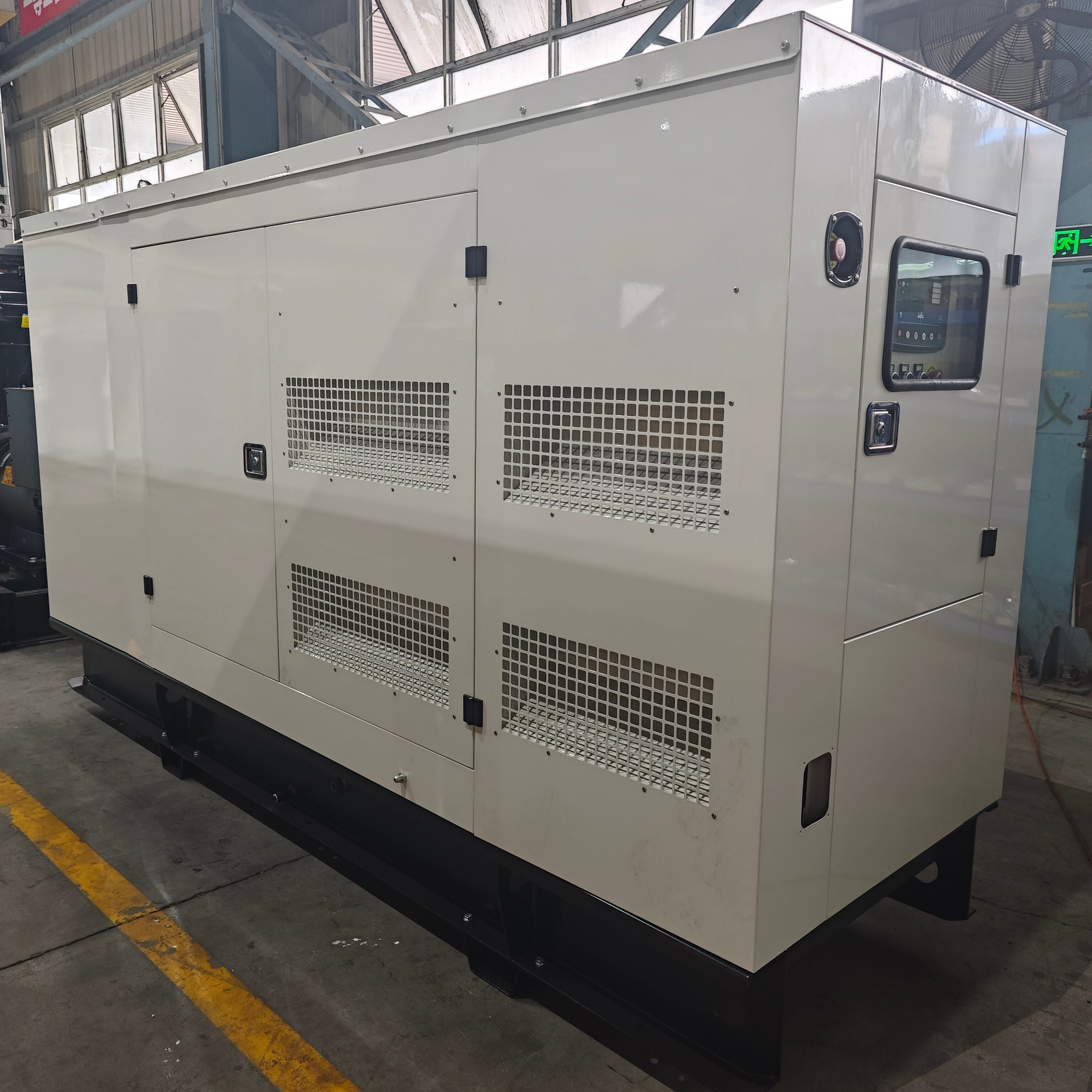
Thermal Management: How Ventilation Prevents Overheating in Generator Sets
Heat Generation Sources in Generator Sets and Critical Thermal Limits
Generator sets produce significant heat from three primary sources: combustion engines (converting 30–35% of fuel energy to waste heat), alternator electrical losses, and exhaust system radiation. Critical components—including stator windings, bearings, and engine blocks—have strict thermal limits, typically 90–150°C, beyond which insulation degrades, lubricants break down, and metallurgical fatigue accelerates. Sustained operation above these thresholds exponentially increases wear and failure risk. Effective ventilation maintains ambient enclosure temperatures below 40°C, enabling reliable heat dissipation via convection and radiation in alignment with manufacturers’ thermal design specifications.
Consequences of Inadequate Cooling: Derating, Tripping, and Component Failure
Insufficient airflow triggers immediate and cascading failures:
- Derating: Control systems throttle output by 10–20% to limit thermal stress
- Nuisance tripping: Thermal overload relays disconnect loads unexpectedly, disrupting continuity of power
- Component failure: Insulation cracks above 130°C; bearings seize due to lubricant oxidation; electronic controls suffer thermal drift or permanent damage
Chronic overheating reduces engine service life by up to 50% and raises fuel consumption by 10–15%, primarily due to incomplete combustion and increased internal friction.
Combustion Air Supply: Ensuring Efficient and Safe Operation of Generator Sets
Minimum Airflow Requirements for Complete Fuel Combustion
Achieving stoichiometric combustion—the ideal air-to-fuel ratio for complete fuel burn—requires precise airflow. Industry standards mandate a minimum of 10–12 CFM per kW of generator output to prevent carbon monoxide (CO) generation and ensure safe, efficient operation. Intake vents must be unobstructed and positioned at least 3 feet from walls or equipment to maintain laminar flow; blocked or undersized ductwork can reduce combustion efficiency by up to 20%.
Long-Term Impact of Oxygen Deficiency on Generator Efficiency and Engine Life
Chronic oxygen deficiency leads to persistent lean-burn conditions that deposit unburned hydrocarbons and soot in cylinders, accelerating piston ring and valve train wear by up to 40%. Elevated operating temperatures warp valves, degrade lubricants three times faster than normal, and promote pre-ignition events. Over 18 months, such conditions result in an average 15% power derating. Turbochargers and aftertreatment systems also suffer accelerated corrosion from carbon-rich exhaust, with premature replacement costs exceeding $5,000 per incident.
Designing Effective Ventilation Systems for Generator Set Installations
Proper ventilation design addresses two interdependent functions: delivering sufficient combustion air and removing waste heat and exhaust gases. Systems that neglect either function compromise reliability, efficiency, and safety—reducing overall performance by 15–20% and shortening component life.
Key design considerations include:
- Airflow volume: Maintain ≥3 feet clearance around units to support natural convection
- Ductwork optimization: Use 45-degree bends instead of 90-degree turns to minimize static pressure loss
- Heat recirculation prevention: Stagger intake and exhaust vent locations—ideally with intake low and exhaust high—to eliminate hot-air feedback loops
- Scalability: Design ducts, fans, and enclosures to accommodate future capacity upgrades without retrofitting
Passive louvers suffice for small, well-ventilated installations; larger or enclosed facilities require mechanical systems with variable-speed intake fans and roof-mounted exhaust hoods. All designs must comply with local building codes and ASHRAE Standard 62.1 for hazardous gas clearance and indoor air quality.
Exhaust and Contaminant Control: Protecting Equipment and Occupants Near Generator Sets
Safe Removal of Exhaust Gases, Heat, and Odors from Generator Enclosures
Generator exhaust contains lethal carbon monoxide (CO)—a colorless, odorless gas responsible for over 400 unintentional U.S. deaths annually (CDC, 2023). Effective ventilation must actively extract CO-laden exhaust, residual heat, and combustion odors from enclosures to prevent hazardous accumulation. Per NFPA 37, exhaust outlets must be located at least 10 feet from building openings, air intakes, and pedestrian zones to eliminate re-entry risk. Mechanical assistance is essential in confined or indoor spaces, while routine inspection of ducts and hoods ensures sustained performance. This integrated approach protects personnel from CO poisoning, mitigates equipment corrosion from trapped heat and acidic condensates, and minimizes odor-related complaints—particularly critical in hospitals, schools, and residential applications.
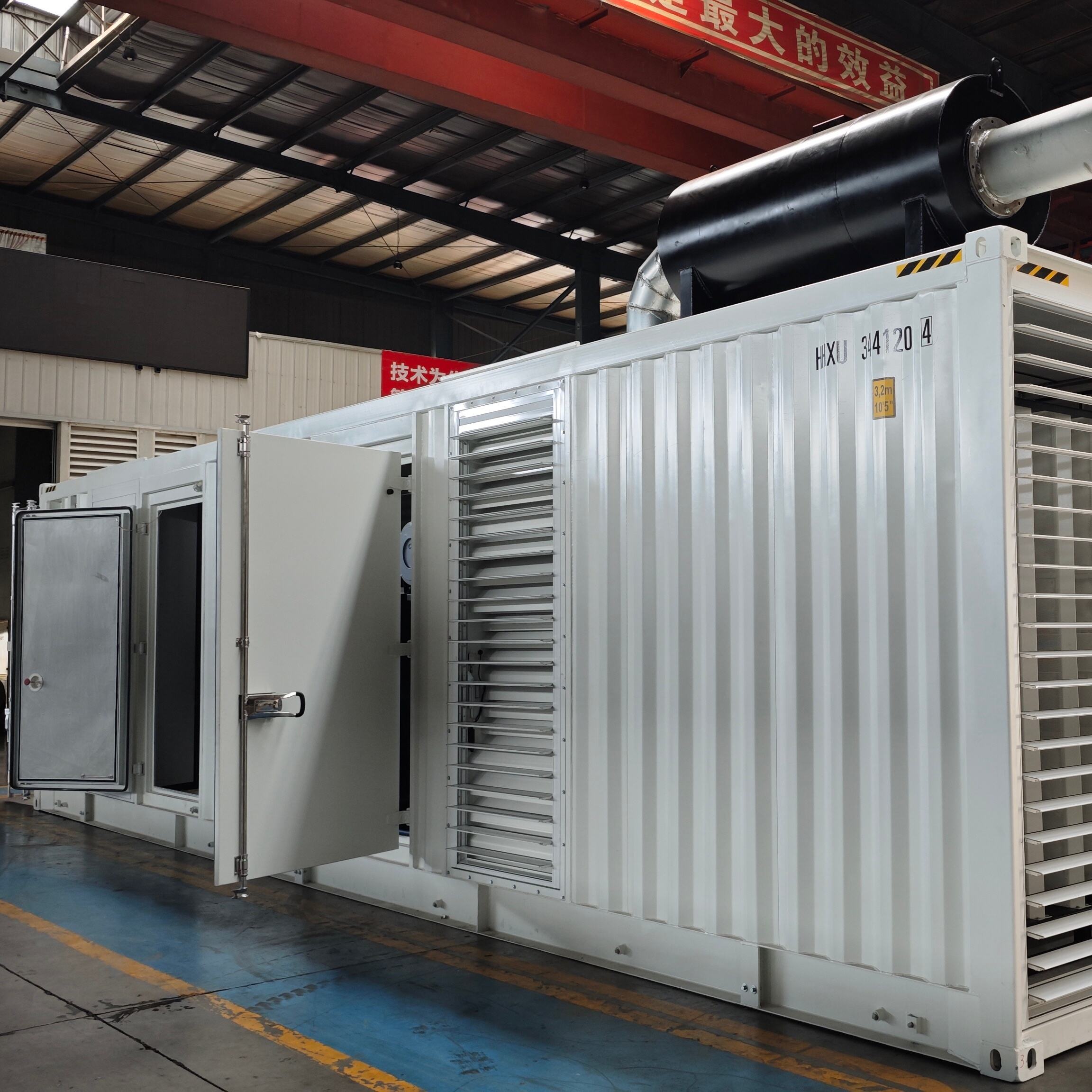
FAQ Section
Why is ventilation important for generator sets?
Ventilation prevents overheating, removes waste heat, and ensures safe operation by maintaining temperature limits and providing adequate combustion air.
What happens if a generator set overheats?
Overheating can lead to derating, nuisance tripping, and component failure, while reducing engine life and increasing fuel consumption.
What are the minimum airflow requirements for generator combustion?
Industry standards require 10–12 CFM of airflow per kW of generator output to ensure efficient combustion and prevent CO production.
How does poor oxygen supply affect generator performance?
Inadequate oxygen leads to lean-burn conditions, increased wear on engine components, reduced power output, and inefficient fuel usage.
What safety measures should be in place for exhaust removal?
Exhaust outlets should be at least 10 feet from buildings and pedestrian areas, and regular inspections are needed to prevent hazards like CO accumulation.
Table of Contents
- Thermal Management: How Ventilation Prevents Overheating in Generator Sets
- Combustion Air Supply: Ensuring Efficient and Safe Operation of Generator Sets
- Designing Effective Ventilation Systems for Generator Set Installations
- Exhaust and Contaminant Control: Protecting Equipment and Occupants Near Generator Sets
- FAQ Section