 EN
EN

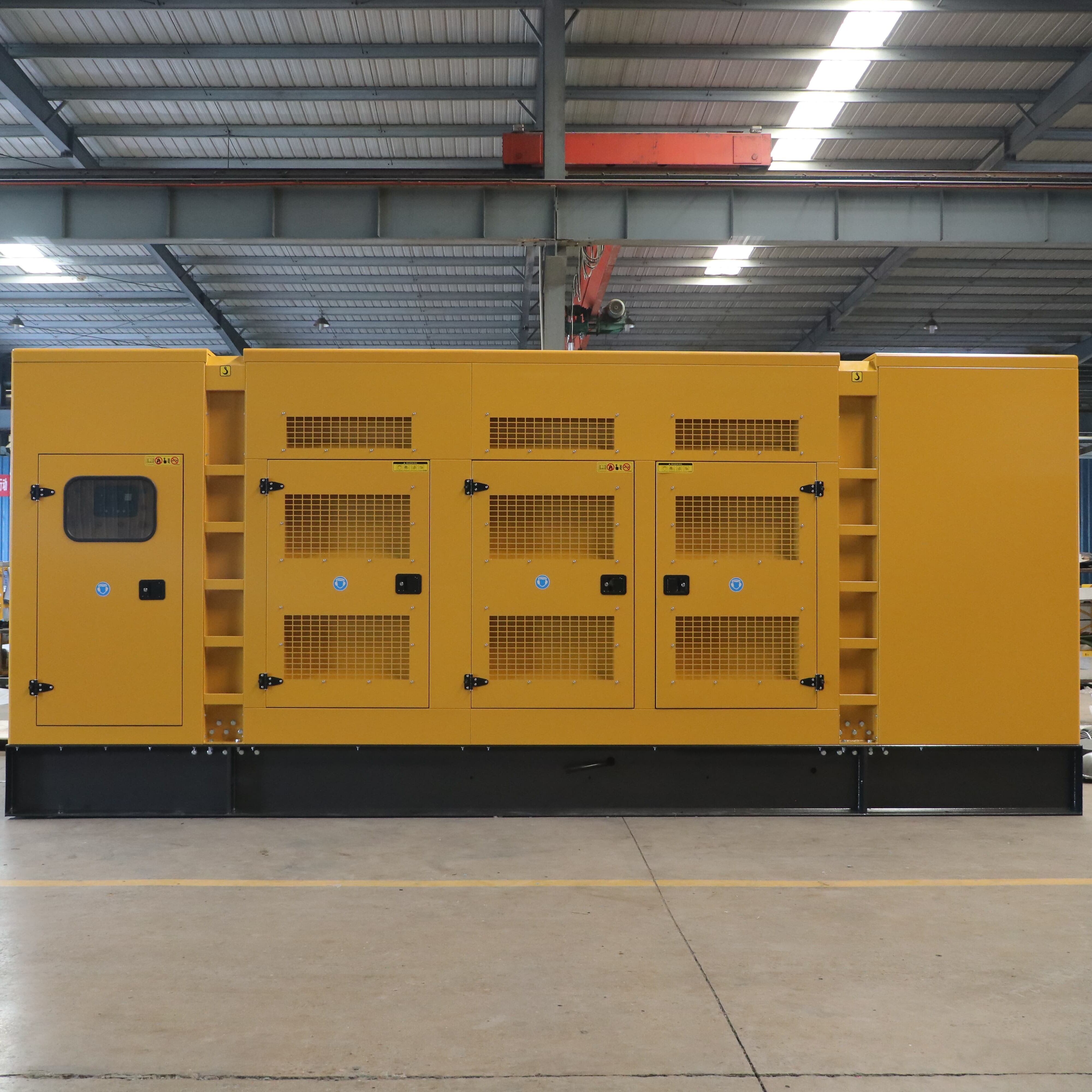
Engine Governor Systems: Core Mechanism for Diesel Generator Sets Power Control
Governor systems on engines control how much fuel gets injected into the prime mover, which helps keep the rotational speed steady and maintains the desired frequency even when electrical demand fluctuates. These systems adjust fuel delivery just right as loads change, making sure power stays stable something that factories and manufacturing plants really depend on. Today's governors come with either electronic or mechanical feedback setups each approach brings different pros and cons regarding how stable they are, how fast they react, and just how accurate their measurements turn out to be in practice.
Mechanical vs. Electronic Governors: Stability, Response Time, and Load-Tracking Accuracy
Traditional mechanical governors work by using flyweights and springs to adjust fuel racks. These systems are pretty durable and don't need much maintenance, meeting the ISO 8528 standard with around ±3% steady state frequency deviation. But there's a catch. Because of their physical nature, they take between 300 to 500 milliseconds to respond when loads change suddenly, which means bigger drops in performance during those transitions. On the other hand, modern electronic governors employ magnetic pickup sensors along with microprocessors to control fuel actuators much faster than mechanical ones. They react in under 100 milliseconds and keep frequencies within just ±0.25% of the standard 50 or 60 Hz range. For industries running sensitive machinery like CNC equipment, this matters a lot. Even small deviations beyond 0.5% can cause these machines to shut down automatically as a safety measure. That's why most industrial facilities have switched to electronic governors nowadays. They offer better recovery after disturbances, tighter control over operations, and actually cost about the same as their older mechanical counterparts despite all these advantages.
Frequency Regulation Fundamentals: Maintaining 50/60 Hz Across Variable Industrial Loads
Governors sustain grid-compatible frequency by dynamically balancing engine torque against generator load. When industrial machinery starts—such as a compressor imposing a 50% step-load—the generator shaft speed drops; governors detect this via magnetic pickups and respond instantly by increasing fueling. Key performance benchmarks reflect real-world operational demands:
| Performance Aspect | Minimum Standard | Industrial Benchmark |
|---|---|---|
| Steady-state accuracy | ±3% (ISO 8528) | ±0.25% |
| Transient dip (200% load acceptance) | 15% frequency drop | <7% |
| Recovery time | 5 sec | <1.5 sec |
When generators fail early, it costs industrial sites around $740,000 on average according to Ponemon Institute research from last year, and most of these problems trace back to poor governor tuning settings. Getting those control systems right means meeting the ASME-PPC 134 standards for how power grids respond to changes in demand. Real world tests show electronic governors keep the frequency stable within half a hertz even when loads jump up or down by 80%. That kind of reliability makes these systems absolutely essential for places like hospitals where power cuts aren't just inconvenient but dangerous, as well as data centers that simply cannot afford any interruption in service quality.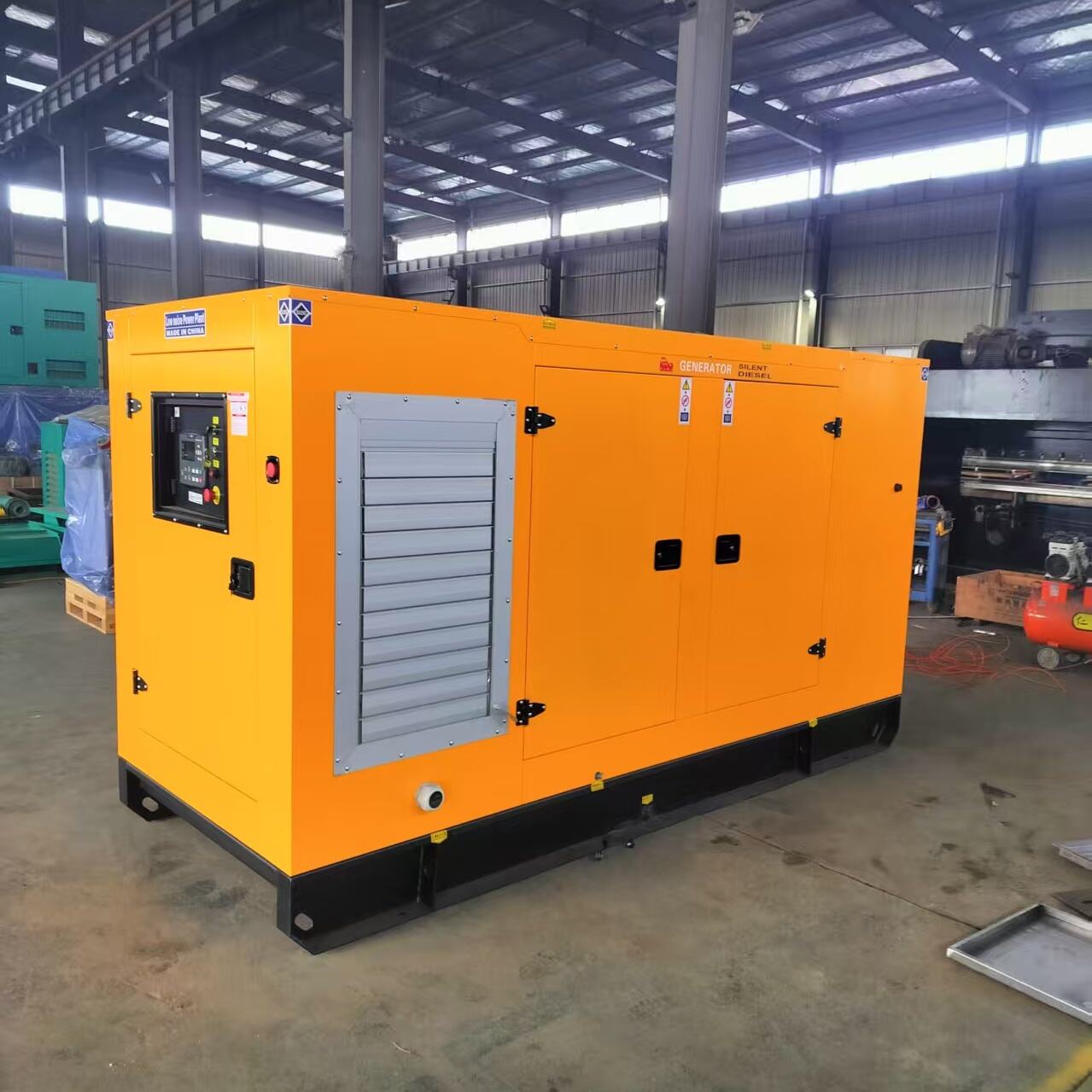
Voltage Regulation via Automatic Voltage Regulators (AVRs) in Diesel Generator Sets
Excitation Control Loop: Sensing, Error Correction, and Field Current Adjustment
Automatic Voltage Regulators, or AVRs for short, keep generator output voltage stable using what's called a closed loop excitation control system. These systems work by constantly checking the voltage output every few milliseconds against standard targets like 400 volts or 480 volts commonly used in industry settings. When there's even a small difference between actual and desired levels, special math formulas known as PID controllers calculate exactly what needs fixing. This calculation determines how much excitation current should be sent to the rotor windings through those fancy components called SCRs. Basically, they adjust the magnetic field strength so everything stays balanced despite changes in load conditions. Better models designed for heavy duty applications include temperature compensation features too. This helps avoid drift problems when temperatures fluctuate within normal operating ranges of around 40 degrees Celsius, making sure these regulators perform reliably even under tough conditions on factory floors.
AVR Performance Benchmarks: ±0.5% Steady-State Regulation and <100 ms Transient Recovery
The best quality automatic voltage regulators (AVRs) pass the IEC 60034-30 standard tests, which means they can maintain voltage within ±0.5% when handling loads from zero all the way up to 100%. This level of precision is actually required to protect sensitive automation gear since many devices simply cannot handle variations above 1%. When there's a sudden 50% change in load demand, properly certified systems bounce back within just 100 milliseconds, stopping those harmful voltage drops that could damage connected equipment. Behind this quick reaction time are advanced microprocessors crunching 32-bit floating point math calculations at an impressive rate of 20 thousand times per second. Looking at field reports from last year, facilities using these compliant AVRs saw their equipment failures drop by around 34% compared to older models that didn't meet the same specs. And here's something important about that 100 millisecond window - it's really the cut off point for most industrial control systems before they automatically shut down operations to prevent further damage.
Integrated Digital Control Systems for Coordinated Power Output Management
PLC-Based Monitoring: Real-Time Acquisition of Voltage, Frequency, Load, and Temperature
Today's diesel generators use PLCs to keep an eye on important operating stats such as voltage patterns, frequency levels, power loads, and engine temps every 100 milliseconds. That's about 20 times quicker than old fashioned analog systems from years back. When there's a sudden jump in load demand around 40%, these smart controllers link rising exhaust temps with how the alternator is performing. This connection allows for early warnings before problems happen. Take bearing temperatures for instance. If they start getting close to 120 degrees Celsius, the system can actually cut down fuel supply ahead of time to prevent overheating issues. Having this detailed look at what's happening right now means technicians can fix things before breakdowns occur. Industry reports show that plants using this kind of monitoring cut unexpected shutdowns by roughly one third compared to those still relying on older methods.
Closed-Loop Coordination: Synchronizing Governor and AVR Commands for Seamless Power Delivery
Modern digital control systems bring together governor and automatic voltage regulator (AVR) functions using fast, predictable feedback mechanisms. When syncing up with critical industrial loads like those found in semiconductor manufacturing plants, these systems constantly check governor RPM settings against AVR field current adjustments every 50 milliseconds. What this does is keep voltage levels right around 480 volts with only a 0.5% variation, and maintain a stable 60 hertz frequency even when there's a sudden 70% load change. The system also adapts on the fly to factors such as fuel quality differences and changing humidity levels outside. Power quality improvements are substantial too. Tests show that when everything works together instead of separately, we see about 87 fewer instances of voltage drops and roughly 64% fewer problems with electrical waveform distortions compared to older methods where governors and AVRs operated independently.
Industrial Power Rating Strategy: Aligning Diesel Generator Sets Output Control with Operational Duty Cycles
Matching diesel generator power ratings to what they actually need to handle is really important for industrial operators if they want to prevent too much heat buildup and mechanical strain that leads to breakdowns down the road. There are basically three main categories when it comes to choosing these generators: Standby units are meant only for emergencies and usually cap out around 500 kW. Prime rated ones can handle variable loads and run as long as needed. Continuous rated generators stay at full capacity all the time, which makes them ideal for places where power cannot fail like hospitals or data centers. Getting this wrong can cause big problems though. Just loading a standby unit 10% beyond its rating speeds up wear and tear by about 30%, according to industry studies. Prime rated machines give industries the flexibility they need when demands change throughout the day, whereas continuous rated models focus on staying stable and reliable over extended periods. Picking the right rating involves looking closely at things like maximum load requirements, how often different loads occur, and whether the operation counts as mission critical. This attention to detail helps make sure fuel gets used efficiently, keeps emissions within legal limits, and extends the life of expensive equipment.
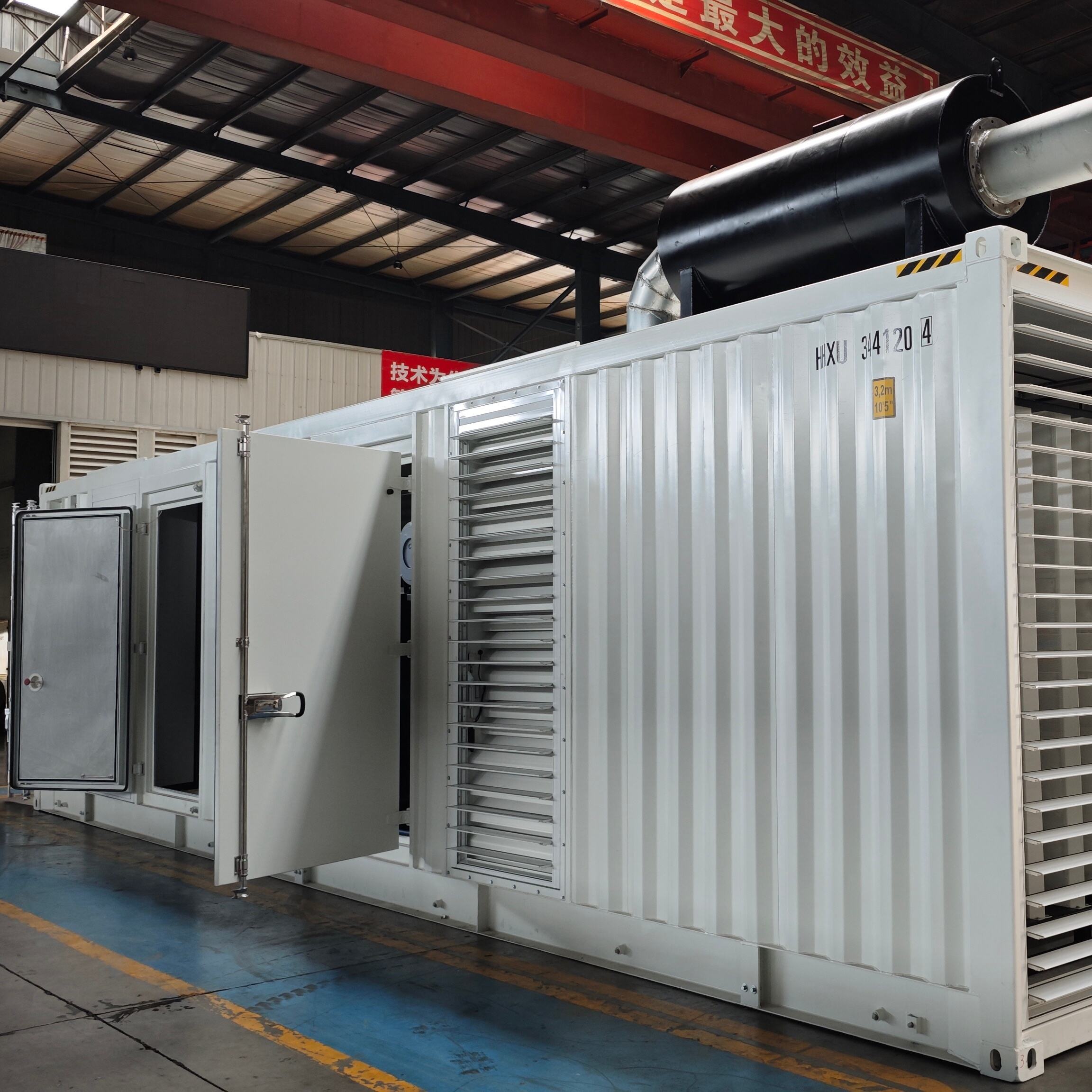
Table of Contents
- Engine Governor Systems: Core Mechanism for Diesel Generator Sets Power Control
- Voltage Regulation via Automatic Voltage Regulators (AVRs) in Diesel Generator Sets
- Integrated Digital Control Systems for Coordinated Power Output Management
- Industrial Power Rating Strategy: Aligning Diesel Generator Sets Output Control with Operational Duty Cycles