 EN
EN

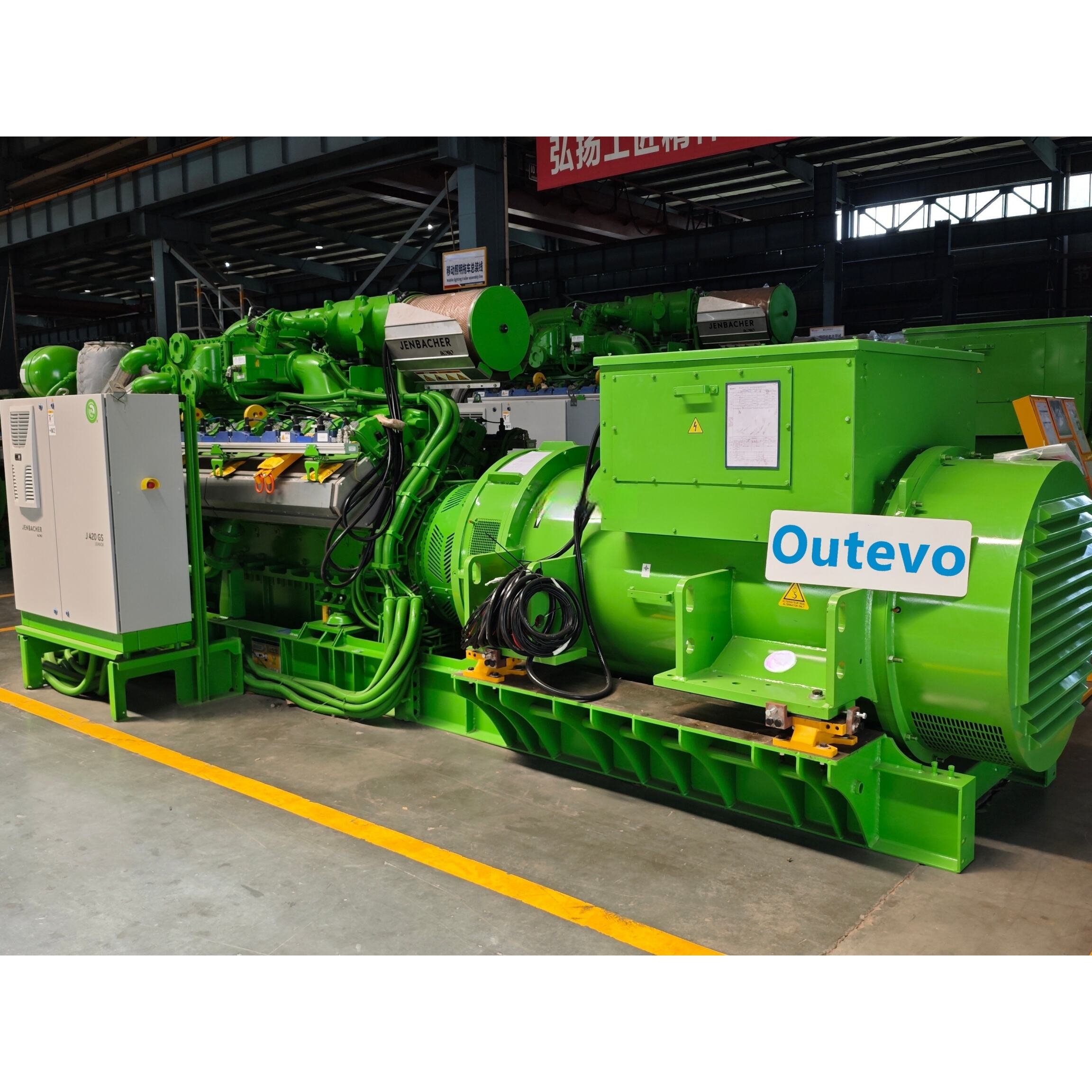
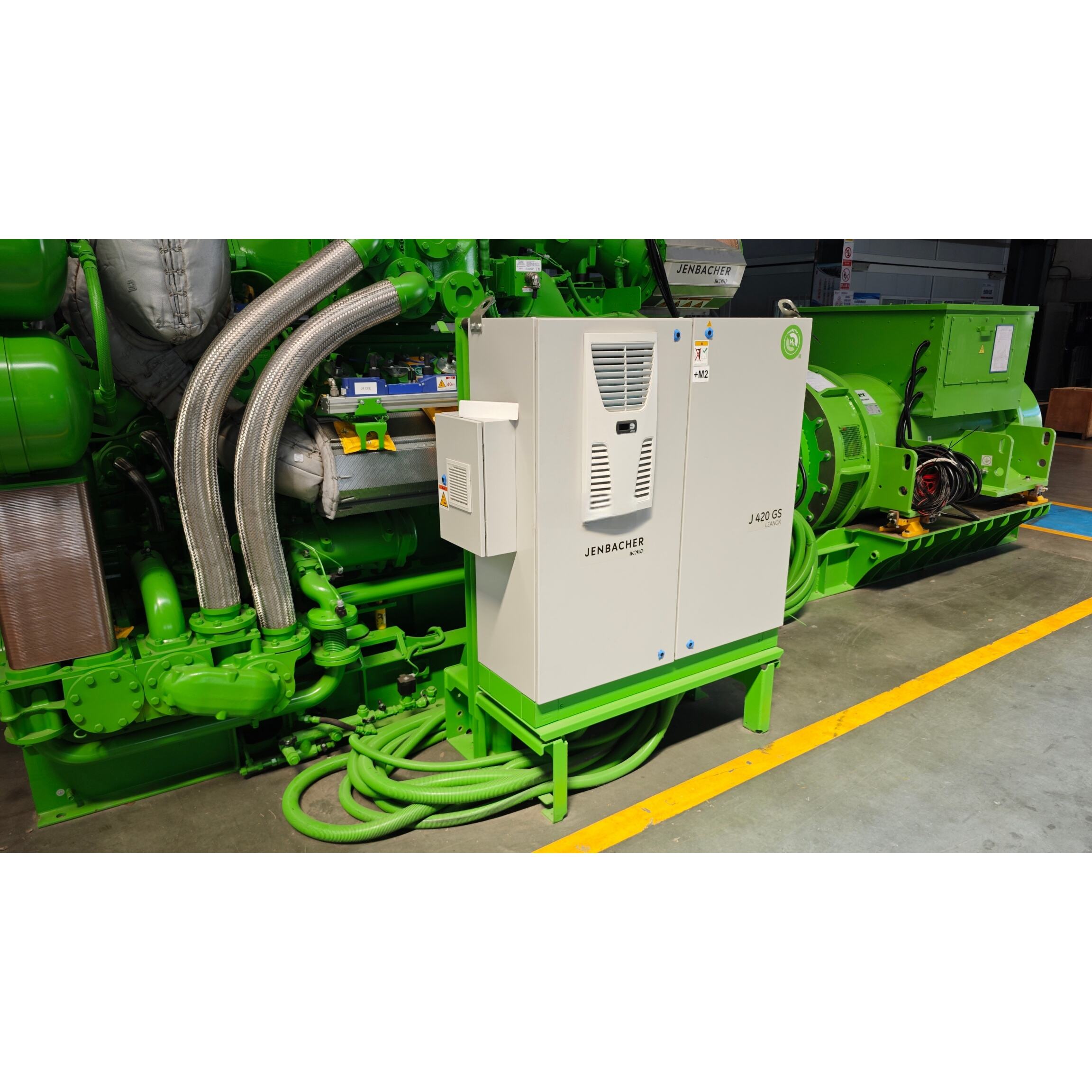
Gas generators are reliable power sources for outdoor activities emergency backup and remote work sites. Their ability to start quickly and run stably is crucial especially in critical situations. Shanghai Outevo Machinery Co. Ltd. a global leader with nearly 30 years of generator manufacturing experience produces high quality gas generators known for their durability and performance. Among the many components that affect a gas generator’s startup the spark plug plays a vital role. Proper maintenance of this small but essential part can significantly improve startup reliability and extend the gas generator’s service life. Drawing on practical experience professional insights and customer feedback this article details the key aspects of spark plug maintenance for gas generators.
Understand the role of spark plugs in gas generators
Before diving into maintenance it’s important to understand why spark plugs are so critical to a gas generator. The spark plug ignites the air fuel mixture in the engine’s combustion chamber creating the explosion that drives the generator. A healthy spark plug produces a strong consistent spark ensuring efficient combustion and smooth startup.
Outevo’s gas generators are equipped with high quality spark plugs designed to withstand high temperatures and pressure. These spark plugs are selected for their durability and ignition performance matching the specific requirements of each gas generator model. However even the best spark plugs degrade over time due to carbon buildup oil fouling or electrode wear. This degradation leads to weak sparks misfires and difficult startup.
Engine experts emphasize that spark plug issues are responsible for 30% of gas generator startup failures. A weak spark can cause the gas generator to crank repeatedly without starting or run unevenly once started. By understanding the spark plug’s role gas generator owners can recognize the importance of regular maintenance and take proactive steps to avoid problems.
Regular inspection of spark plugs in gas generators
Regular inspection is the foundation of effective spark plug maintenance. For most gas generator users inspecting the spark plug every 50 hours of operation or at least once a season is recommended. For gas generators used in harsh environments like dusty construction sites or humid coastal areas more frequent inspections are necessary.
To inspect the spark plug first turn off the gas generator and allow the engine to cool completely. Disconnect the spark plug wire and use a spark plug socket to remove the plug. Examine the electrode the small metal tip at the end of the spark plug. A healthy spark plug should have a light tan or grayish brown deposit on the electrode. If the electrode is black sooty or covered in oil it indicates a problem with the gas generator’s fuel mixture or engine.
During an inspection for a customer’s gas generator used at a remote construction site we found the spark plug electrode was heavily carbonized. The gas generator had been struggling to start and running roughly. After cleaning the spark plug and adjusting the fuel mixture the gas generator started smoothly and operated normally. This case shows how a simple inspection can identify issues before they lead to costly repairs.
Outevo provides detailed inspection guides in each gas generator’s user manual with clear images and step by step instructions. Our after sales team is also available to answer questions and provide guidance on spark plug inspection helping customers identify potential problems.
Cleaning spark plugs in gas generators
When inspections reveal carbon buildup or light fouling cleaning the spark plug can restore its performance. However it’s important to use the correct method to avoid damaging the spark plug.
Start by removing any loose debris from the spark plug with a soft brush. For stubborn carbon deposits use a spark plug cleaner or a small amount of specialized cleaning solution. Avoid using abrasive materials like sandpaper or wire brushes as they can scratch the electrode and damage the spark plug’s insulator. After cleaning rinse the spark plug with clean water and dry it thoroughly.
It’s also important to check the spark plug gap after cleaning. The gap between the center and ground electrode must match the gas generator’s specifications typically between 0.6 and 0.8 millimeters. Use a spark plug gap tool to adjust the gap if necessary gently bending the ground electrode.
A customer in a rural area was having trouble starting their gas generator which was used for emergency backup power. They had neglected spark plug maintenance for over a year. Our technical team cleaned the spark plug adjusted the gap and the gas generator started on the first try. The customer was surprised at how simple the solution was and committed to regular maintenance.
Outevo’s gas generators are designed with easily accessible spark plugs making cleaning and inspection straightforward. We also recommend keeping a spare spark plug on hand especially for gas generators used in critical applications.
Replacement of spark plugs in gas generators
While cleaning can extend a spark plug’s life there comes a time when replacement is necessary. As a general rule spark plugs should be replaced every 200 hours of operation or every two years whichever comes first. However this interval may vary based on usage conditions and gas generator model.
Signs that a spark plug needs replacement include excessive electrode wear cracked insulators or persistent fouling that can’t be cleaned. If the gas generator still has startup issues after cleaning and adjusting the spark plug it’s likely time for a replacement.
When replacing the spark plug always use the type specified in the gas generator’s user manual. Outevo recommends using genuine spark plugs designed for their gas generators as these are engineered to match the engine’s performance requirements. Using the wrong spark plug can lead to poor ignition reduced efficiency and even engine damage.
During a routine maintenance visit for a gas generator at a camping ground we replaced the original spark plug which had been in use for three years. The old spark plug had worn electrodes and a cracked insulator. After installing a new genuine Outevo spark plug the gas generator’s startup time was cut in half and it ran more quietly and efficiently.
Our after sales team can help customers identify the correct spark plug for their gas generator and provide guidance on proper installation. We also offer spark plug replacement kits with all the necessary tools and instructions making the process easy for even inexperienced users.
Proper handling and storage of spark plugs for gas generators
Proper handling and storage of spark plugs whether new or removed from a gas generator is often overlooked but important for maintenance success. Mishandling can damage the spark plug’s delicate components reducing its effectiveness.
When removing a spark plug place it in a clean dry container to prevent dirt or moisture from contaminating the electrode. Avoid touching the electrode with bare hands as oil from skin can cause carbon buildup and affect ignition. If you accidentally touch the electrode clean it with a soft cloth before reinstalling or storing.
New spark plugs should be stored in their original packaging in a cool dry place away from moisture and extreme temperatures. Avoid stacking heavy objects on spark plugs as this can crack the insulator or bend the electrode.
For gas generators that are stored for long periods such as seasonal backup generators it’s a good idea to remove the spark plug apply a small amount of anti seize compound to the threads and reinstall it loosely. This prevents corrosion and makes removal easier when the gas generator is needed again.
A customer who stored their gas generator in a damp garage over the winter found the spark plug had corroded. The threads were stuck making removal difficult and the electrode was rusted. After replacing the spark plug and following our storage recommendations the customer had no further issues. This experience highlights the importance of proper handling and storage.
In conclusion proper spark plug maintenance is essential for ensuring the smooth startup and reliable operation of gas generators. By understanding the spark plug’s role conducting regular inspections cleaning when necessary replacing worn spark plugs and handling them properly gas generator owners can maximize their equipment’s performance and lifespan.
Shanghai Outevo Machinery Co. Ltd. is committed to providing high quality gas generators and comprehensive support to customers. Our gas generators are designed with user friendly maintenance in mind featuring easily accessible spark plugs and detailed maintenance guides. We also offer genuine spark plugs and replacement kits along with professional after sales service including remote assistance and on site support.
Whether you use a gas generator for emergency backup outdoor activities or professional work proper spark plug maintenance is a simple cost effective way to ensure it starts when you need it most. By following the guidelines outlined in this article you can keep your gas generator in top condition and avoid the frustration of unexpected startup failures.