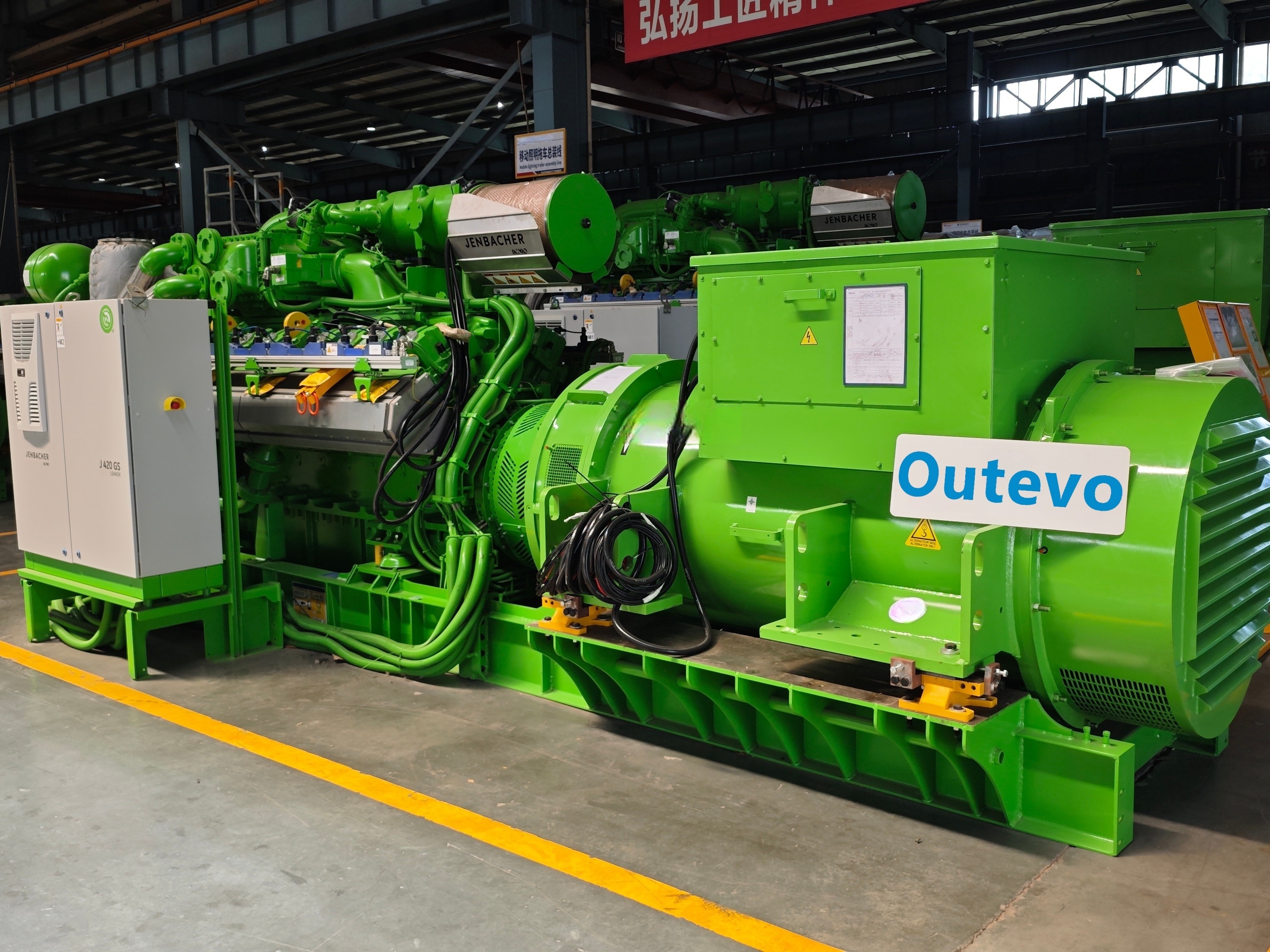
Starting Failures in Generator Sets
Starting failures are the most common generator set issue on-site, often preventing the unit from delivering backup power when needed. Studies show nearly one-third of emergency generator start failures stem from battery problems. Below, we detail the primary culprits.
Battery issues: corrosion, loose connections, and insufficient charge
Battery problems account for the majority of generator set start failures. Corrosion on terminals creates high electrical resistance, preventing sufficient current from reaching the starter motor. Extended idle periods allow sulfate crystals to accumulate on lead plates—blocking conduction—but this buildup can often be reversed with an equalization charge on flooded lead-acid batteries if degradation is not severe. Loose or poorly torqued battery cables interrupt current flow, causing intermittent voltage drops that starve the cranking circuit. A battery that has not been charged properly—due to a failed charger, parasitic drain, or long disuse—lacks the capacity to turn the engine. According to NFPA 110, roughly 30% of standby generators fail to start during actual emergencies, and battery issues are the leading cause. A weak battery may read 12.6 V off-load but drop below 9.6 V under cranking load—a clear indicator it needs replacement. Installing battery maintainers, running monthly loaded exercises, and using battery heaters in cold climates significantly improve cranking amperage and service life. Regular terminal cleaning, torque verification of connections, and annual load testing eliminate most battery-related starting problems.
Starter motor, solenoid, and control panel–ATS communication faults
When battery health is confirmed, the next suspects are the starter motor, solenoid, and control circuits. A starter motor with worn brushes, a seized pinion gear, or a burned armature will fail to crank—even with full voltage. A faulty solenoid—often presenting as a single click without rotation—may have pitted contacts or a stuck plunger that prevents flywheel engagement. Control panel faults include blown protection fuses, programming errors, or a failed crank relay. Communication between the generator set and the ATS (Automatic Transfer Switch) is critical: a broken two-wire start signal, incorrect voltage sensing, or a timed-out transfer initiation halts the sequence entirely. Some controllers lock out starting after a failed attempt and require manual reset before troubleshooting. Verifying the ATS start signal at the genset terminals with a voltmeter quickly confirms command integrity. Industry service data indicates starter or solenoid failures account for approximately 15% of no-start events. Routine inspections of cable terminations, solenoid operation, and ATS control wiring continuity minimize these failures.
Fuel System Problems Compromising Generator Sets Reliability
Air in fuel lines, inaccurate gauges, and empty tanks
Air trapped in fuel lines is a common cause of hard starting or stalling—especially after long idle periods. Even small air pockets disrupt fuel delivery to the injectors, resulting in misfires. A 2023 maintenance survey found air ingestion accounts for roughly 15% of all fuel system–related failures. Inaccurate fuel level gauges create a false sense of security, leading operators to believe tanks contain more fuel than they actually do. An empty tank will prevent the generator set from starting altogether—often at the worst possible moment. Regular fuel system bleeding and gauge calibration mitigate these risks.
Diesel contamination, fuel degradation, and wet stacking effects
Diesel fuel degrades over time; after six months, oxidation and microbial growth can form sludge that clogs injectors and reduces combustion efficiency (ASTM D975, 2021). Water contamination accelerates this process, promoting corrosion and fuel pump damage. In lightly loaded engines, incomplete combustion causes wet stacking—where unburned fuel accumulates in the exhaust system. This condition can lower power output by 8–10% and increase emissions, as noted in a 2022 engine service bulletin. Routine fuel polishing, biocide treatment, and periodic load bank testing prevent these issues from escalating into major outages.
Overheating and Cooling System Failures in Generator Sets
Low coolant, radiator blockages, and thermostat malfunctions
Generator sets depend on consistent coolant flow to manage combustion heat. Low coolant levels—often caused by unnoticed external leaks or internal consumption—reduce thermal transfer capacity and can trigger rapid temperature spikes. Radiator blockages from dust, debris, or corrosion further restrict airflow and coolant circulation, causing heat buildup even under normal loads. A thermostat stuck closed prevents coolant from reaching the radiator, starving the engine of cooling. Over tens of minutes, this alone can push cylinder head temperatures into failure ranges. Preventive checks—including coolant level inspection, radiator fin cleaning, and thermostat function tests—catch these issues before they escalate. Addressing these mechanical and fluid-level faults early preserves engine integrity and supports reliable emergency power delivery.
Coolant, oil, and fuel leaks — diagnosing root causes and thermal impact
Leaks in coolant, oil, or fuel circuits each disrupt generator sets in distinct ways. Coolant leaks—commonly from loose hose clamps, worn gaskets, or pump seal failures—lower the system’s heat-carrying capacity, forcing the engine to run hotter. Oil leaks, originating at crankshaft seals or oil pan gaskets, reduce lubrication; increased friction then generates additional heat that compounds cooling system load. Fuel leaks—whether from injector returns or supply lines—cause uneven combustion, localized overheating, and potential cylinder scoring. Diagnosing the root cause starts with a visual inspection for wet spots or drips, followed by pressure testing the cooling and fuel circuits. Thermal impact follows a clear pattern: unchecked leaks raise component temperatures, accelerate oil degradation, and can warp cylinder heads. Early detection and repair prevent progressive damage that silently shortens service life and undermines standby readiness.
Electrical Output Instability and AVR-Related Generator Sets Faults
Electrical output instability undermines power quality and can damage connected equipment. The automatic voltage regulator (AVR) controls excitation current to maintain steady voltage under varying loads. When the AVR fails, fluctuations, overvoltage, or undervoltage often follow. Common culprits include electrical surges, moisture ingress, overheating, and worn electronic components. A faulty AVR may cause erratic meter readings, failure to hold voltage during motor starts, or generator tripping under load. Without stable regulation, motors overheat, control systems malfunction, and reactive power sharing in parallel applications becomes erratic. Field inspection of AVR wiring, connections, and cooling paths helps spot early warning signs. A multimeter check of output stability across load steps confirms AVR health. Regular calibration and timely replacement of degraded regulators protect generator sets and avoid costly downtime.
Load Management and Preventive Maintenance Gaps Affecting Generator Sets Longevity
Effective load control and consistent preventive care directly determine how long a generator set remains reliable. Misapplied loading patterns accelerate internal stress, while skipped routine tasks allow minor issues to grow into expensive failures. The following subsections highlight how poor load management and maintenance oversights erode performance and lifetime.
Overloading, underloading, and unbalanced load distribution
Sustained overloading pushes the engine and alternator beyond safe thermal limits, causing insulation breakdown and accelerated component fatigue. Chronic underloading—running continuously below about 30% of rated capacity—leads to incomplete fuel combustion, wet stacking in diesel units, and carbon deposits that foul exhaust systems and cylinder walls. Unbalanced load distribution across phases creates circulating currents that overheat one winding while underutilizing others, distorting voltage and destabilizing output. Each condition forces the generator set to operate outside its optimal efficiency band, dramatically shortening service life and increasing the risk of unplanned downtime.
Critical maintenance oversights: oil changes, filter replacements, and runtime logging
Skipping oil changes allows abrasive particles and degraded lubricant to accelerate wear on bearings, pistons, and rings. Clogged air and fuel filters starve the engine of clean intake and proper fuel flow, reducing combustion efficiency and causing hard starts. Ignoring coolant or oil level inspections invites overheating and gasket failures. Just as damaging is the absence of detailed runtime logs; without accurate hour tracking, oil, filter, and component service intervals drift, and early signs of trouble are missed. Together, these gaps allow a generator set to degrade silently until a critical failure occurs—often during an emergency outage when reliability is most needed.
FAQ Section
What are the most common causes of generator start failures?
Battery-related issues such as corrosion, loose connections, and insufficient charge are the most common culprits. Other major causes include starter motor or solenoid faults, communication errors between the generator and ATS, and fuel system problems like air in fuel lines or contamination.
How can I prevent generator battery issues?
Regularly clean terminals to prevent corrosion, verify cable connections for proper torque, and perform annual load testing to assess battery health. Installing battery maintainers and running monthly loaded exercises can also improve battery performance.
What causes air in the fuel lines, and how can it be prevented?
Air in fuel lines often results from long idle periods or poor maintenance practices. Conducting regular fuel system bleeding and maintaining consistent operation can help prevent air pockets and ensure proper fuel delivery.
How does poor load management affect generator performance?
Overloading, underloading, or unbalanced load distribution can cause engine strain, electrical instability, and premature wear on generator components, shortening the lifespan and reliability of the unit.
Why is preventive maintenance crucial for generator sets?
Preventive maintenance, such as timely oil changes, filter replacements, and coolant checks, helps catch potential issues early, reducing the risk of critical failures during emergencies and extending the generator's operational life.
Table of Contents
- Starting Failures in Generator Sets
- Fuel System Problems Compromising Generator Sets Reliability
- Overheating and Cooling System Failures in Generator Sets
- Electrical Output Instability and AVR-Related Generator Sets Faults
- Load Management and Preventive Maintenance Gaps Affecting Generator Sets Longevity
- FAQ Section