 EN
EN

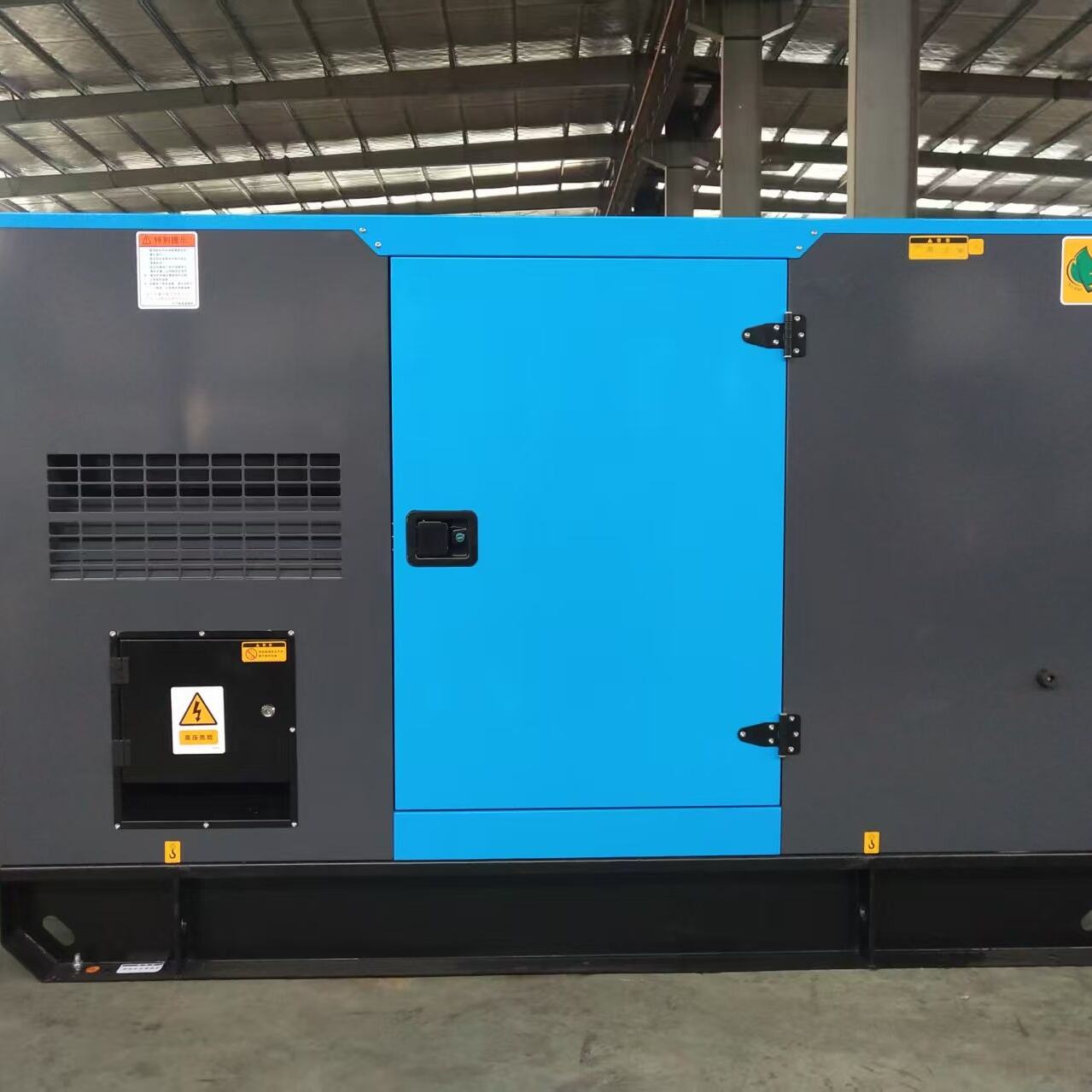
Optimize Fuel System Performance for Peak Combustion Efficiency
Fuel quality testing and contamination control to prevent injector fouling and incomplete combustion
Regular fuel testing detects water, sediment, and microbial growth—key contributors to poor combustion. Contaminated fuel directly impairs injector atomization, reducing efficiency by up to 15% and increasing particulate emissions. Field data shows diesel generators with bimonthly fuel testing sustain 98% combustion efficiency versus 89% for untested units. Implement a three-phase contamination control strategy:
- Water separation using coalescing filters
- Microbial treatment with EPA-registered biocides
- Particulate removal via multi-stage filtration (e.g., 10-micron primary + 2-micron secondary)
Fuel filter replacement and tank draining to mitigate carbon buildup and sustain high efficiency diesel generator combustion
Clogged filters increase engine workload, raising fuel consumption by 3–7% under load testing conditions. Replace both primary and secondary filters every 500 operating hours—or more frequently in dusty or humid environments—as recommended by the generator manufacturer. Drain tanks monthly to remove accumulated water and sludge, preventing carbon deposits that erode thermal efficiency. Maintain a maintenance log to correlate filter changes with fuel consumption trends and detect early signs of degradation.
Best practices for fuel storage, stabilization, and tank maintenance to preserve long-term efficiency
Store fuel at 95% tank capacity to limit air space and reduce condensation-driven oxidation. Add ASTM D975-compliant stabilizers within 30 days of receipt to inhibit hydrocarbon breakdown, extending usable life to 24 months. Conduct biannual internal tank inspections for corrosion, seal integrity, and structural leaks. Rotate stock using first-in-first-out (FIFO) discipline: untreated diesel loses ~10% volatility annually, directly compromising ignition quality and combustion completeness during critical backup operation.
Maintain Optimal Electrical Load Conditions to Maximize Efficiency
Targeting 70–80% load range through load bank testing and operational validation
Operating your high-efficiency diesel generator between 70% and 80% of rated capacity delivers peak fuel efficiency while minimizing carbon accumulation and wet stacking—a condition where unburned fuel condenses in the exhaust system due to chronic underloading. Load bank testing validates real-world performance by simulating full electrical loads, confirming stable voltage regulation, frequency response, and thermal behavior. This proactive verification uncovers subtle inefficiencies—such as governor lag or alternator voltage droop—before they manifest during actual outages.
Preventing underloading and overloading via real-time monitoring of power factor, thermal stress, and voltage regulation
Continuous monitoring prevents operational drift from optimal efficiency parameters. Underloading increases specific fuel consumption by up to 15% due to incomplete combustion; overloading induces thermal stress and accelerates mechanical wear. Deploy integrated sensors to track:
- Power factor: Maintain ≥0.95 to minimize reactive power losses
- Exhaust gas temperature: Flag abnormal combustion (e.g., misfiring injectors or turbo lag)
-
Voltage regulation: Enforce ±1% tolerance to protect connected equipment
Automated control systems respond to threshold breaches by rebalancing loads or triggering alerts—safeguarding sensitive components like alternators, turbochargers, and electronic control modules.
Sustain Thermal and Mechanical Integrity Through Cooling, Lubrication, and Air Intake Care
Cooling system service: coolant level checks, flushes, and heat exchanger inspection for consistent thermal efficiency
Maintain proper coolant levels to prevent overheating-induced derating. Flush the system annually to eliminate scale and corrosion byproducts that insulate heat transfer surfaces. Inspect heat exchangers biannually for airflow obstructions, fin damage, or coolant leaks. Neglecting these steps can degrade combustion efficiency by up to 12%, per thermal management studies conducted by the U.S. Department of Energy’s Advanced Manufacturing Office. Conduct quarterly coolant analysis to monitor pH, glycol concentration, and contaminant levels.
Lubrication management: oil analysis, scheduled changes, and filter replacement to minimize friction losses in the high efficiency diesel generator
Oil analysis is essential—not optional—for detecting early-stage wear (e.g., iron, chromium, or aluminum particles), oxidation, and viscosity loss before catastrophic failure. Follow OEM-recommended oil change intervals (typically every 500 operating hours) and always replace oil filters concurrently. This preserves hydrodynamic lubrication, cutting parasitic friction losses by 18–22%, according to tribology research published in SAE International Journal of Fuels and Lubricants. Using contaminated or degraded oil triples bearing wear rates—making routine analysis a cornerstone of reliability.
Air filtration maintenance: cleaning, replacement, and turbocharger protection to uphold volumetric efficiency
Inspect air filters monthly—especially in high-dust environments—and replace them immediately if clogged or damaged. Restricted airflow reduces cylinder charge density, impairing volumetric efficiency and promoting incomplete combustion. A well-maintained air intake sustains >95% volumetric efficiency, supporting full fuel burn and optimal turbocharger response. Turbo failures caused by particulate ingestion increase fuel consumption by 9% on average and reduce power output by up to 15%, per field data from Cummins Power Generation’s reliability database.
Validate System-Wide Efficiency Through Integrated Electrical and Exhaust Diagnostics
Integrated electrical and exhaust diagnostics deliver actionable insight into generator health by correlating combustion behavior with electrical output. Electrical diagnostics monitor phase-balanced voltage stability, harmonic distortion (<5% THD), and power factor imbalance—while exhaust gas analyzers quantify oxygen saturation, CO levels, and soot opacity to assess burn quality. Discrepancies between the two—like rising CO with stable voltage, or voltage regulator overcompensation amid low O₂—reveal hidden faults: injector timing drift, EGR valve malfunction, or alternator winding degradation. These anomalies individually erode efficiency by 3–7%, but when identified early through synchronized diagnostics, they enable targeted intervention before compounding losses occur. Annual comprehensive diagnostic validation ensures all subsystems remain aligned with the generator’s original efficiency profile—extending service life and preserving ROI across decades of operation.
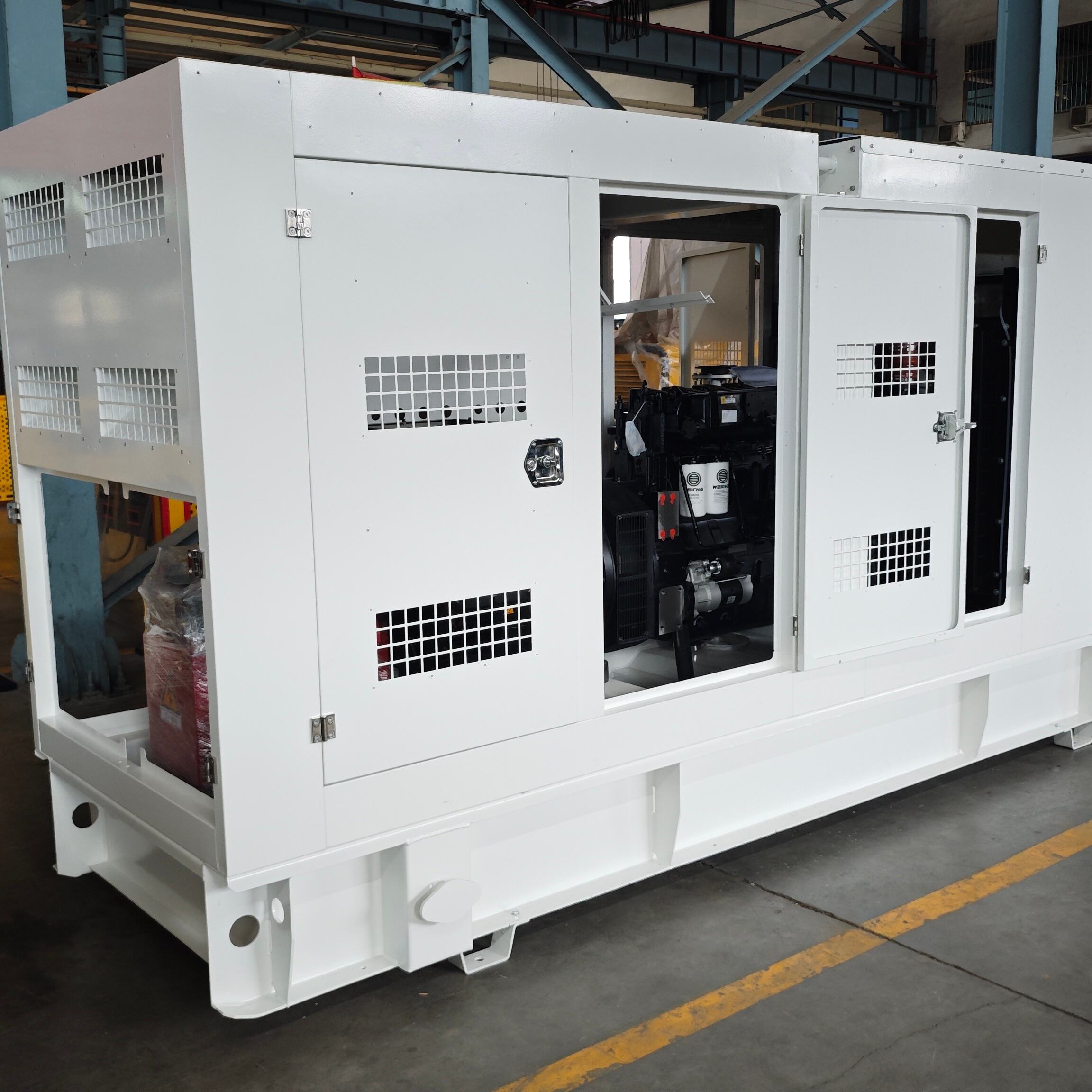
FAQ
Why is fuel quality testing important for diesel generators?
Fuel quality testing identifies contaminants such as water, sediment, and microbial growth, which impair injector atomization and reduce combustion efficiency.
How often should fuel filters be replaced?
Fuel filters should be replaced every 500 operating hours or more frequently in dusty or humid environments to prevent clogging and carbon buildup.
What load range is optimal for peak fuel efficiency?
Operating a diesel generator between 70–80% of its rated capacity ensures optimal fuel efficiency while minimizing wet stacking and carbon accumulation.
How is coolant system maintenance beneficial?
Maintaining coolant levels, flushing the system annually, and inspecting heat exchangers help prevent overheating and maintain consistent thermal efficiency.
Why is lubrication management critical?
Regular oil analysis and timely replacement minimize friction losses and prevent wear, contributing to better reliability and longer service life of the generator.
What role does air filtration play in generator efficiency?
Clean air filters ensure proper airflow, maintaining volumetric efficiency and preventing turbocharger failure caused by particulate ingestion.
How do electrical and exhaust diagnostics improve system performance?
Diagnostics provide insight into generator health by correlating combustion behavior with electrical output, helping identify faults early and ensuring system-wide efficiency.
Table of Contents
-
Optimize Fuel System Performance for Peak Combustion Efficiency
- Fuel quality testing and contamination control to prevent injector fouling and incomplete combustion
- Fuel filter replacement and tank draining to mitigate carbon buildup and sustain high efficiency diesel generator combustion
- Best practices for fuel storage, stabilization, and tank maintenance to preserve long-term efficiency
- Maintain Optimal Electrical Load Conditions to Maximize Efficiency
-
Sustain Thermal and Mechanical Integrity Through Cooling, Lubrication, and Air Intake Care
- Cooling system service: coolant level checks, flushes, and heat exchanger inspection for consistent thermal efficiency
- Lubrication management: oil analysis, scheduled changes, and filter replacement to minimize friction losses in the high efficiency diesel generator
- Air filtration maintenance: cleaning, replacement, and turbocharger protection to uphold volumetric efficiency
- Validate System-Wide Efficiency Through Integrated Electrical and Exhaust Diagnostics
-
FAQ
- Why is fuel quality testing important for diesel generators?
- How often should fuel filters be replaced?
- What load range is optimal for peak fuel efficiency?
- How is coolant system maintenance beneficial?
- Why is lubrication management critical?
- What role does air filtration play in generator efficiency?
- How do electrical and exhaust diagnostics improve system performance?