 EN
EN

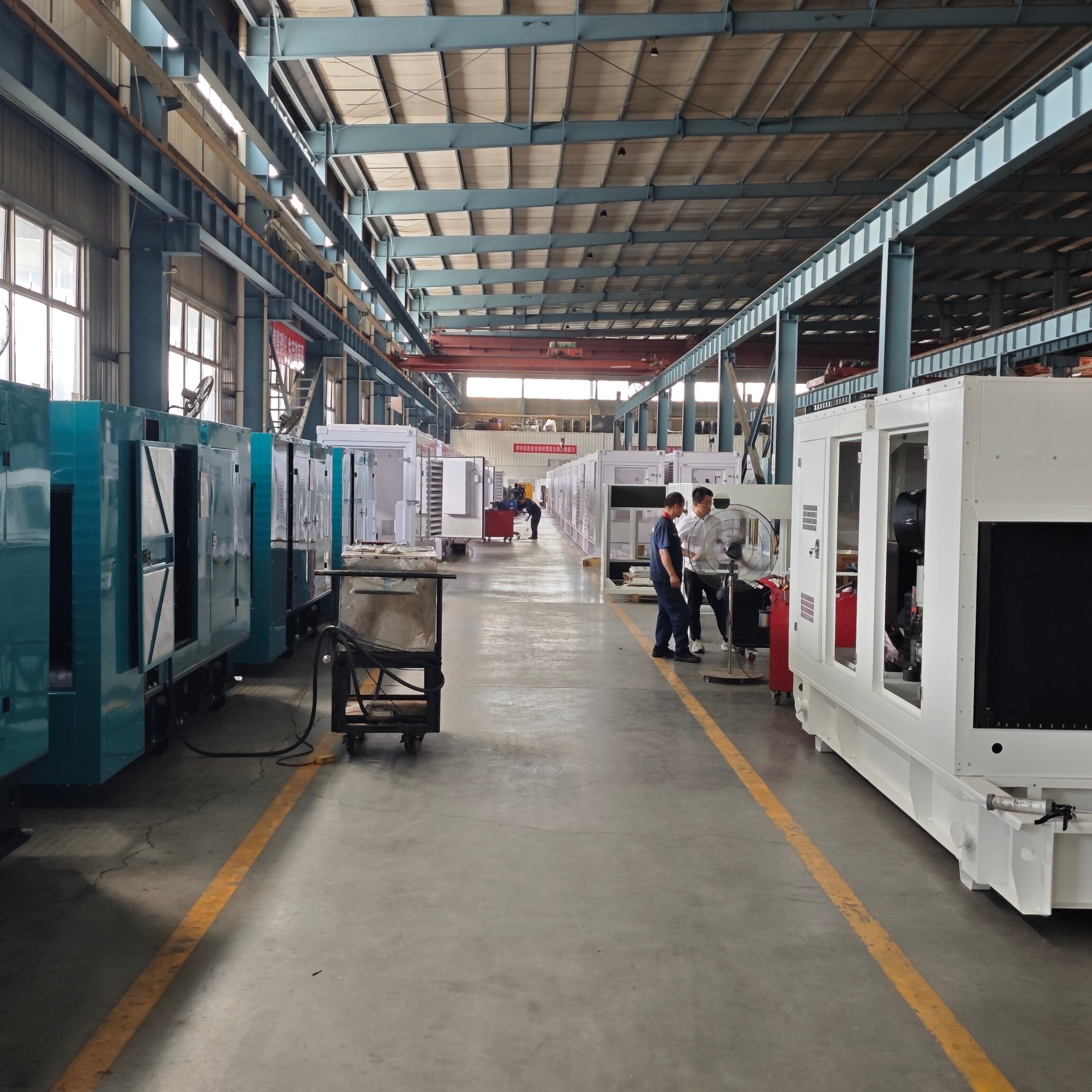
Core Engineering for Durability: Engine, Cooling, and Acoustic Integrity
High-reliability engine platforms and silent enclosure integration
The foundation of a durable silent diesel generator lies in its powerplant. Industrial-grade engines from leading manufacturers—such as Cummins, Perkins, and MTU—feature hardened components like forged crankshafts, hardened valve seats, and high-precision common-rail fuel injection systems. These are engineered to withstand continuous operation at optimal loads (70–90%), significantly reducing thermal and mechanical stress that accelerates wear. Integration with sound-attenuated enclosures demands precision airflow engineering: oversized air intakes and low-backpressure exhaust paths preserve combustion efficiency while preventing wet stacking during light-load operation. Steel-rubber vibration isolation mounts decouple engine motion before it transfers to the enclosure or mounting structure—extending service intervals by up to 40% compared to non-integrated configurations.
Thermal management: cooling system design to prevent overheating in soundproofed enclosures
Soundproofed enclosures inherently restrict heat dissipation, raising internal temperatures and accelerating degradation of gaskets, wiring, and electronics. Robust thermal management addresses this with two coordinated strategies:
- Liquid cooling systems use corrosion-inhibiting ethylene glycol blends and oversized radiators with high-efficiency fin stacks to maintain coolant temperatures below 90°C—even in ambient conditions up to 40°C.
- Stratified airflow channels, designed using computational fluid dynamics (CFD), physically separate intake and exhaust streams to eliminate hot-air recirculation.
Field data from ISO 8528-compliant installations show generators with directed-flow cooling experience 30% fewer cylinder head cracks over 10,000 operating hours. Integrated temperature sensors dynamically modulate fan speed, preventing thermal runaway during peak demand without compromising acoustic performance.
Acoustic durability: vibration isolation and soundproofing materials that withstand decades of operation
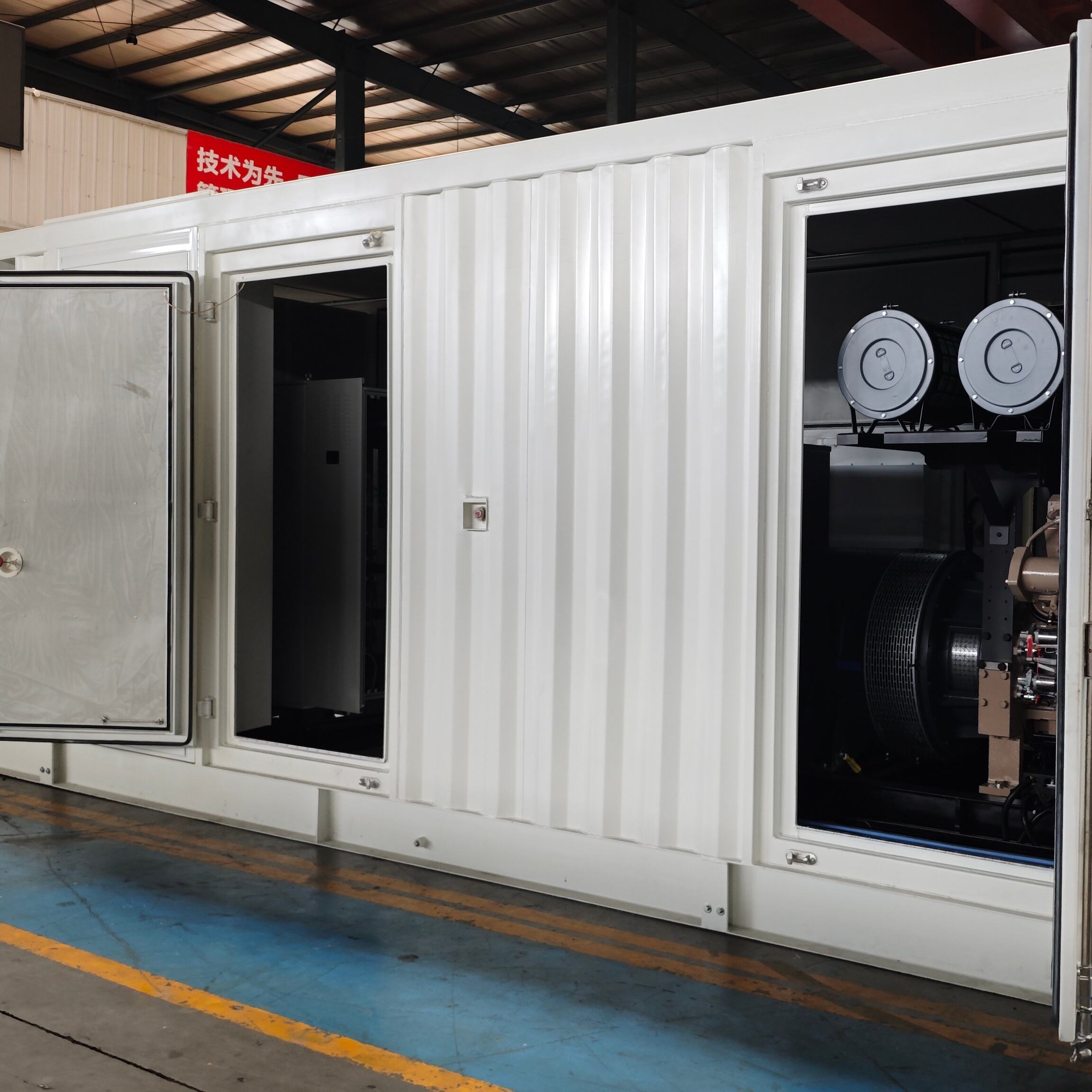
Long-term acoustic integrity depends on material resilience—not just initial noise reduction. Three-layer composite enclosure walls—comprising mass-loaded vinyl (MLV), closed-cell nitrile rubber foam, and galvanized steel—maintain certified <65 dBA noise levels at 1 meter after 15 years of continuous service. These materials are specifically selected to:
- Resist degradation from diesel fuel vapors and hydrocarbon exposure
- Withstand repeated humidity cycling without delamination or shrinkage
- Retain structural integrity and sealing performance across -30°C to 55°C operating ranges
Engine harmonics are actively mitigated via tuned mass dampers and inertia blocks anchored to reinforced subframes, reducing structural vibration transmission by 90% per ISO 8528-9. This prevents bolt loosening, fatigue cracking at weld joints, and premature failure of acoustic seals.
Load Management Strategies That Extend Service Life
Optimal load factor range (70–90%) and real-time monitoring via ECM/telematics
Operating within a 70–90% load factor maximizes combustion efficiency, minimizes carbon accumulation, and avoids both underloading and overloading stresses. Sustained operation below 70% promotes incomplete combustion—leading to carbon buildup, oil dilution, and wet stacking—while consistent loads above 90% accelerate thermal fatigue in pistons, valves, and turbochargers. Modern Engine Control Modules (ECMs), integrated with cloud-based telematics platforms like Cummins PowerSync or Kohler Connect, provide real-time visibility into load profile, exhaust gas temperature, alternator output, and fuel consumption. These systems enable dynamic load balancing through programmable logic controllers (PLCs), allowing operators to adjust usage patterns before deviations impact reliability.
Continuous vs. standby ratings (ISO 8528-1) and their impact on long-term reliability
ISO 8528-1 defines critical operational distinctions: standby-rated units are certified for up to 200 annual hours at full load, whereas continuous-rated generators are validated for unlimited runtime at 70–80% of rated capacity. Misapplication—such as deploying a standby unit for daily prime-power duties—induces accelerated wear in bearings, cylinder liners, and exhaust manifolds. Field studies cited in ISO technical reports confirm correctly rated units achieve 2–3× longer service intervals and lower lifetime cost-per-kWh. In acoustically sealed enclosures, misapplied standby units face compounded risk: restricted airflow elevates thermal stress on vibration-dampened components by 40–60% relative to open-frame equivalents, increasing failure likelihood during sustained operation.
Avoiding Underloading Damage in Durable Silent Diesel Generators
Wet Stacking, Cylinder Glazing, and DPF Regeneration Failure—Causes and Field-Detectable Symptoms
Chronic operation below 30–40% load poses serious mechanical risks to durable silent diesel generators. Wet stacking occurs when unburned fuel accumulates in the exhaust manifold and turbocharger, visible as thick black smoke, oily residue on exhaust outlets, and reduced turbo response. Low combustion temperatures simultaneously cause cylinder glazing, where insufficient heat prevents proper ring seating—resulting in up to 300% increased oil consumption and measurable compression loss. For Tier 4 Final and later units equipped with diesel particulate filters (DPFs), persistent light loads prevent exhaust temperatures from reaching the 315°C (600°F) threshold required for passive regeneration, leading to forced shutdowns, filter clogging, and costly manual cleaning.
Technicians can detect early signs through routine diagnostics:
- Power loss or instability during load bank testing
- Soot deposits or carbon buildup on turbocharger vanes
- Exhaust backpressure readings exceeding 25 kPa
Proactive load profiling—supported by ECM telemetry and scheduled load banking—prevents these failures and preserves both mechanical and acoustic integrity over time.
Proactive Maintenance Protocols for 10+ Year Operational Longevity
Extending a durable silent diesel generator’s service life beyond a decade requires a shift from reactive repairs to a structured, evidence-based maintenance strategy—one proven to reduce unplanned failures by up to 75%, according to industrial reliability benchmarks published by the Electric Power Research Institute (EPRI). This approach integrates three complementary methodologies:
- Preventive scheduling, aligned with OEM specifications for oil/filter changes, coolant replacement, and belt inspections—especially critical in thermally constrained enclosures where fluid degradation accelerates.
- Predictive monitoring, enabled by IoT sensors tracking real-time parameters such as crankcase vibration spectra, exhaust gas temperature differentials, and coolant pH/conductivity—providing early warning of bearing wear, injector drift, or coolant contamination.
- Condition-based interventions, where maintenance actions are triggered by performance thresholds (e.g., >15% rise in oil consumption, >5°C delta-T across radiator cores) rather than fixed calendar intervals.
Operators adopting this triad report 30–50% fewer emergency repairs and extended intervals between major overhauls—without compromising acoustic performance or emissions compliance. While implementation requires investment in training and diagnostic infrastructure, the return manifests in predictable uptime, lower total cost of ownership, and verified 10+ year operational longevity.
FAQ
Q: What is the significance of maintaining a 70–90% load factor?
A: Maintaining a 70–90% load factor optimizes combustion efficiency, minimizes wear and tear, and prevents issues like carbon buildup and wet stacking, ensuring the longevity of the generator.
Q: How does thermal management affect silent diesel generators?
A: Proper thermal management prevents overheating in soundproofed enclosures by using advanced cooling systems and airflow design, which reduces component wear and extends service life.
Q: Why is underloading dangerous for diesel generators?
A: Underloading can cause wet stacking, cylinder glazing, and diesel particulate filter (DPF) failures, leading to reduced performance, higher maintenance costs, and shorter service life.
Q: What are proactive maintenance protocols composed of?
A: Proactive maintenance combines preventive scheduling, predictive monitoring, and condition-based interventions to reduce unplanned failures and extend the operational lifespan of generators.
Q: What are the consequences of using a standby-rated generator for continuous operation?
A: Using a standby-rated generator for continuous operation leads to accelerated wear, increased failure likelihood, and shorter service intervals due to thermal and mechanical stress.