 EN
EN

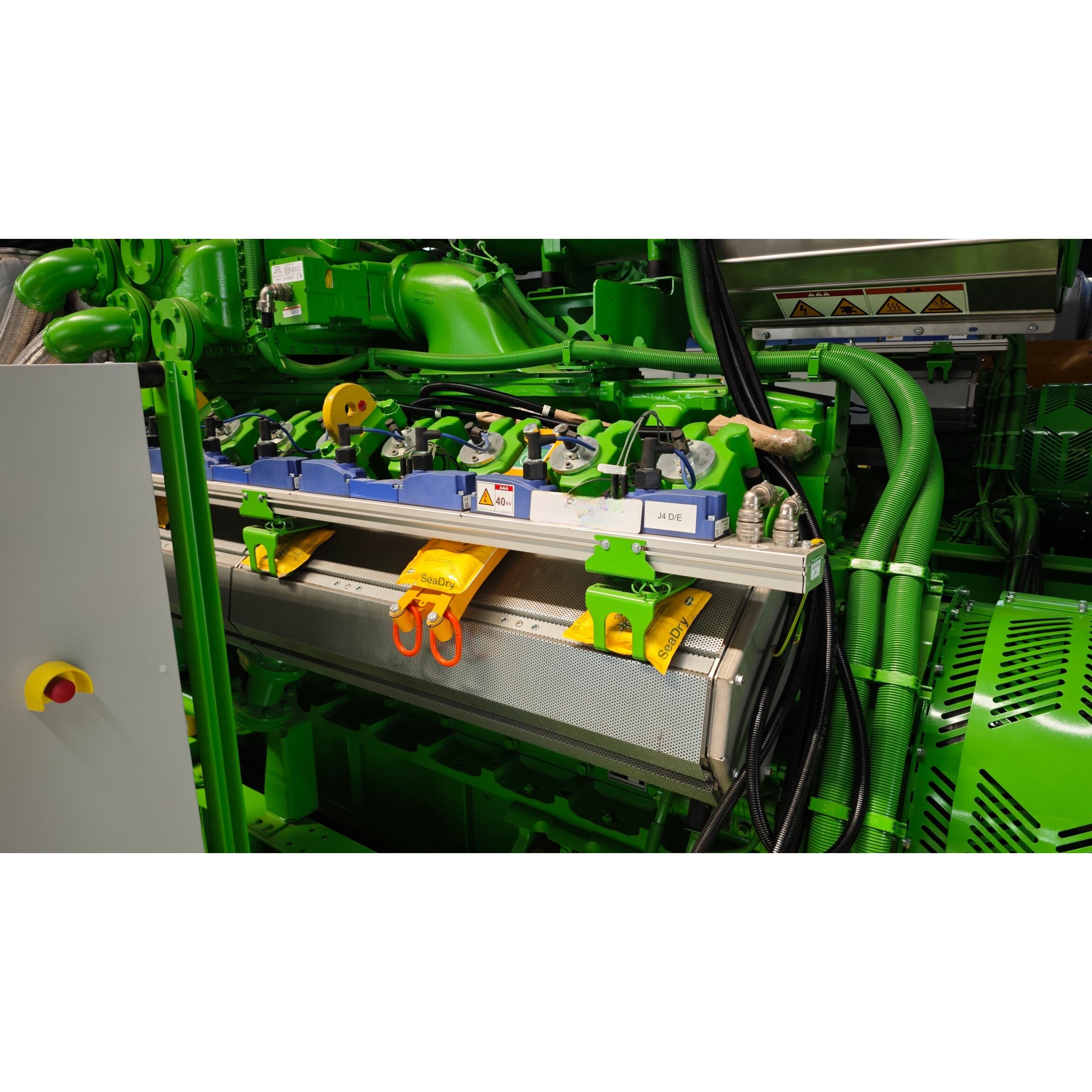
My Experience Testing Gases for a Suburban Gas Generator
Last fall a homeowner in Texas reached out to me frustrated with their gas generator. They had been using standard propane from small portable tanks but the gas generator would stall randomly during evening use and fuel costs were spiraling. They wanted a more reliable option for their home backup needs. I brought our dual fuel compatible gas generator to their property and tested three common residential gases propane natural gas and liquefied petroleum gas blends over a week. The portable propane tanks caused pressure drops in cold weather making the gas generator run inconsistently. The natural gas line connection however delivered steady fuel flow. After installing a dedicated natural gas kit for our gas generator the unit ran non stop for 12 hours during a local power cut powering the entire first floor. The homeowner saw a 40 percent reduction in fuel costs compared to propane tanks. This hands on test proved that the right gas type transforms how a gas generator performs and our gas generator is engineered to optimize efficiency with specific residential gas sources.
Key Properties of Gases for Residential Gas Generator Performance
Not all gases work the same in a gas generator and understanding their core properties is critical for home use. The first factor is energy content measured in British thermal units per cubic foot. Natural gas has a consistent BTU output that our gas generator is calibrated to use ensuring smooth combustion and stable power. Propane has a higher BTU but its pressure can fluctuate in small tanks leading to uneven performance in a gas generator. The second factor is fuel delivery stability our gas generator’s engine is designed for constant pressure supply which natural gas lines provide reliably. Liquefied petroleum gas blends can work but require proper regulators that come standard with our gas generator kits. The third factor is clean burning capability both natural gas and propane burn cleaner than gasoline which reduces engine wear in a gas generator. Our gas generator’s combustion chamber is optimized for these clean burning gases with precision fuel injectors that maximize efficiency and minimize emissions making it ideal for residential areas.
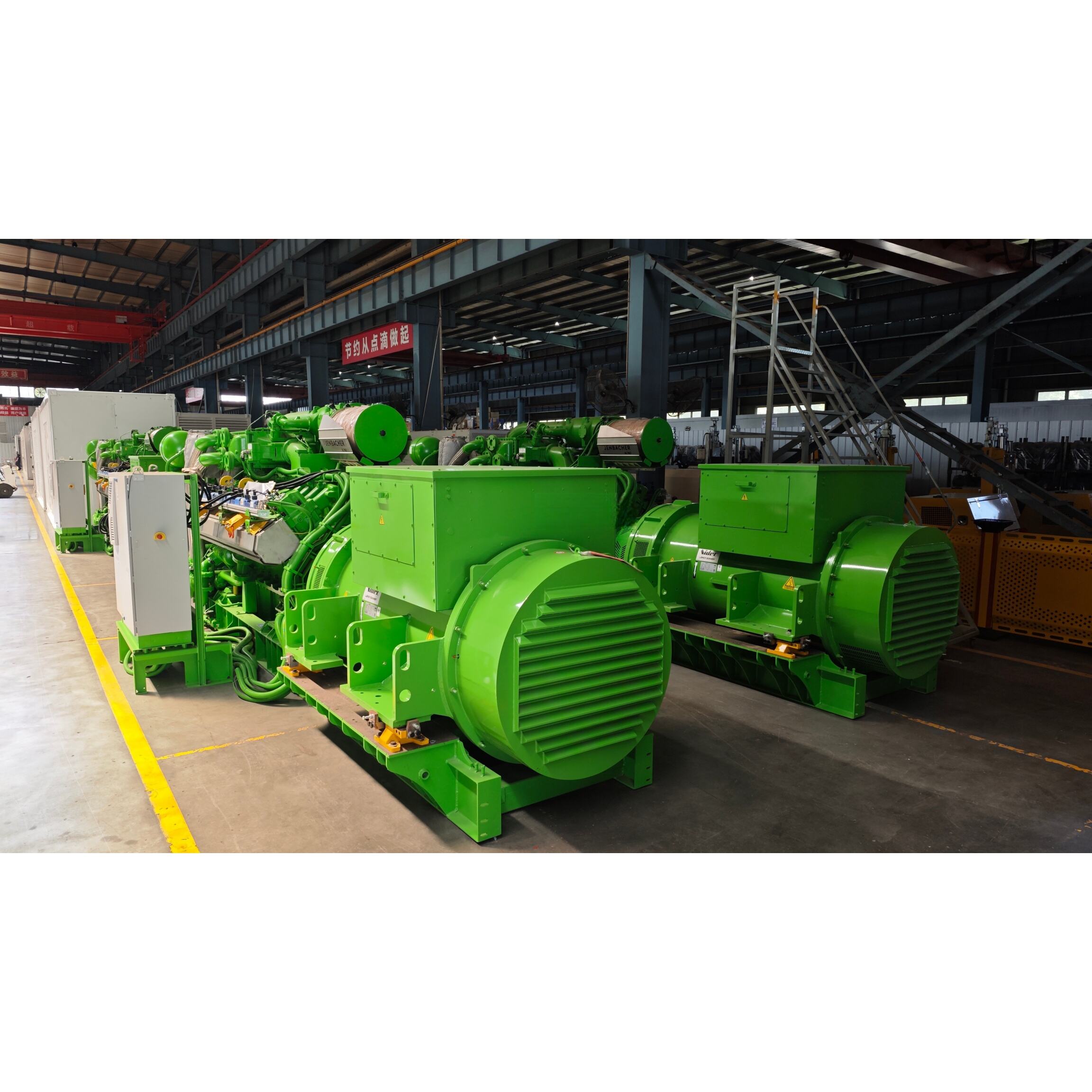
Expert Opinions on Gas Selection for Home Gas Generators
Dr Lisa Gonzalez a mechanical engineer and energy efficiency expert with the Residential Energy Safety Board has researched gas generator fuel compatibility for 20 years. She states that natural gas is the most suitable primary fuel for a residential gas generator due to its continuous supply and consistent quality. In her published report she explains that natural gas eliminates the need for storing fuel tanks a major safety hazard for homeowners with children or pets. Dr Gonzalez also notes that propane is a great backup option for homes without a natural gas line but emphasizes that a gas generator must have a high quality regulator to handle propane’s pressure characteristics. She specifically recommends our gas generator models highlighting that they are factory tested with both natural gas and propane and include adjustable fuel valves that meet the latest safety standards. Following her expert advice ensures a gas generator runs safely and efficiently for years.
How Our Gas Generator Adapts to Ideal Residential Gases
Our gas generator is built to leverage the strengths of the most suitable residential gases with design features that set it apart from generic models. First it features a dual fuel carburetor system calibrated specifically for natural gas and propane the two top choices for homes. This means homeowners can switch between gases without modifying the gas generator making it flexible for different property setups. Second our gas generator includes a built in fuel pressure sensor that monitors gas flow in real time. If pressure drops below optimal levels the gas generator adjusts its combustion process automatically preventing stalling and engine damage. Third we use a corrosion resistant fuel line system in our gas generator that is compatible with the chemical properties of natural gas and propane ensuring long term durability. Every gas generator leaves our factory with a fuel compatibility certificate guaranteeing it performs at peak level with the recommended residential gases.
Practical Guide to Choosing Gas for Your Residential Gas Generator
Based on our customer data and field experience we have created a simple guide to help homeowners choose the best gas for their gas generator. If your home has a natural gas line this is the top choice install our dedicated natural gas conversion kit for your gas generator for unlimited fuel supply and low operating costs. For homes without a natural gas line propane is the ideal alternative use large stationary propane tanks instead of small portable ones to maintain consistent pressure in your gas generator. Avoid using unrefined liquefied petroleum gas blends as they can clog the gas generator’s fuel injectors over time. Always check that your gas generator is rated for the gas type you choose our models clearly display compatibility labels for easy reference. We also offer free fuel assessment services where our technicians evaluate your home’s gas access and recommend the best setup for your gas generator ensuring you get reliable backup power when you need it most.
Table of Contents
- My Experience Testing Gases for a Suburban Gas Generator
- Key Properties of Gases for Residential Gas Generator Performance
- Expert Opinions on Gas Selection for Home Gas Generators
- How Our Gas Generator Adapts to Ideal Residential Gases
- Practical Guide to Choosing Gas for Your Residential Gas Generator