 EN
EN

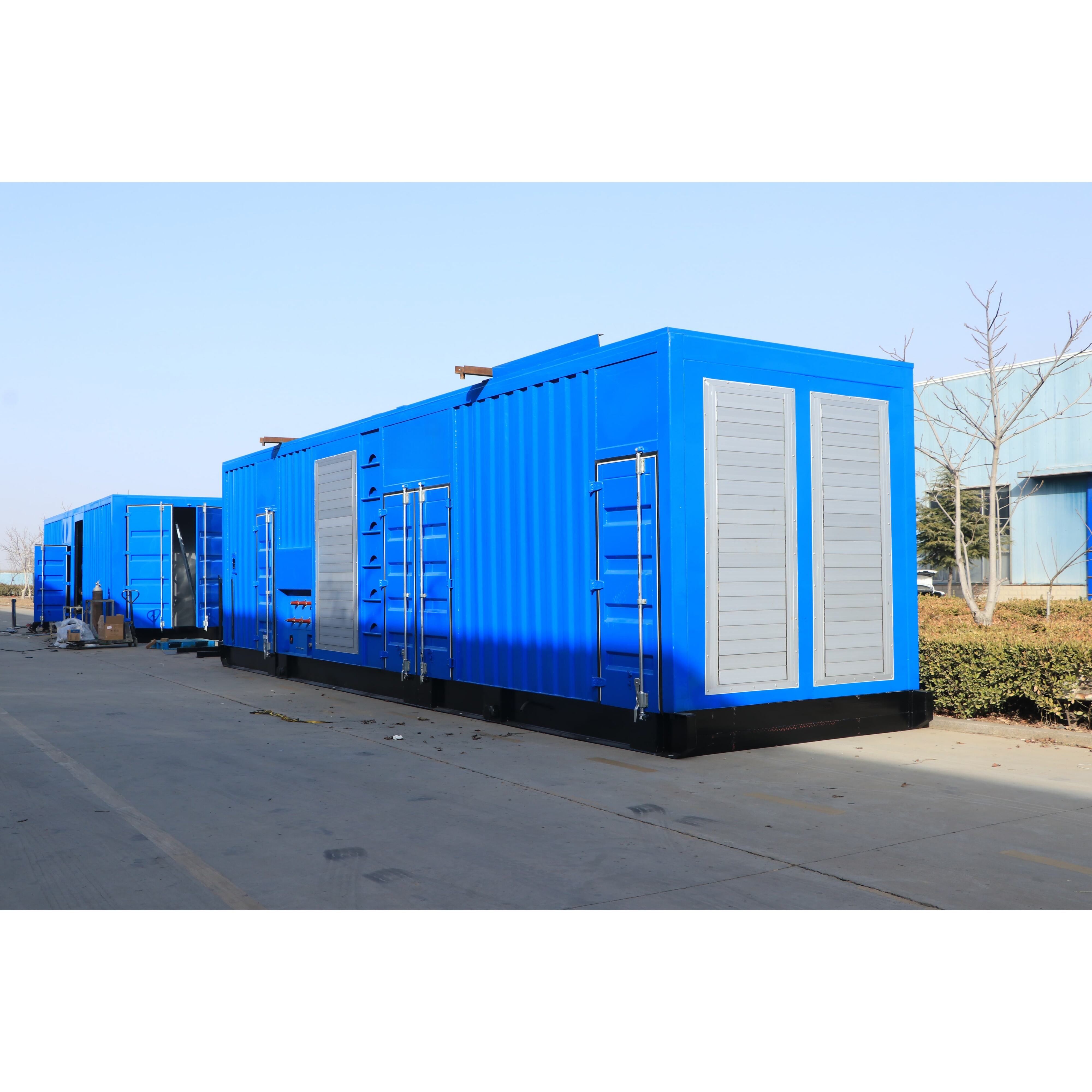
Standardized ISO Container Dimensions Ensure Universal Transport Compatibility
Elimination of custom cradles, permits, and load-specific rigging
Generator containers made according to ISO specs come in standard sizes: either 20 feet or 40 feet long, about 8 feet wide, and roughly 8.5 feet tall. These dimensions follow international standards that make them fit right into the current transportation network without any hassle. Regular generators require all sorts of special setups like custom cradles, specific rigging for each load, and whole engineering teams just to figure out how to move them. But ISO containers have those standard corners and twist locks everyone knows about, so they can be handled quickly and securely at ports and terminals everywhere. According to some research from the Intermodal Logistics Institute back in 2022, this standard approach cuts down on permit issues for oversized loads by around three quarters. Projects also save between three to five days getting everything ready to go. No need to hire extra rigging specialists or modify equipment means lower shipping bills overall. And coordinating all the freight logistics becomes much simpler too, cutting administrative work by about 40% when compared to moving non-containerized gear.
Seamless intermodal handling across ports, rail yards, and container trucks
Container generator sets that meet ISO standards switch between different transport methods pretty smoothly because they have those standard lifting points, locks, and stackable features everyone agrees on. The big port cranes, train chassis things, and container trucks basically speak the same language when it comes to moving these containers around. No need to take stuff apart again or rig anything special during transfers. Looking at port efficiency numbers shows something interesting too. When dealing with ISO compliant containers, ships get turned around about 30 percent quicker. Makes sense really. Most of the world's cargo handling gear (like 95%) works with ISO sizes. So generators packed in these containers aren't stuck waiting long for space on vessels or trains. Their shipping schedules tend to be more reliable, and they just work better across all the different parts of the global supply chain network.
Integrated Modular Design Reduces Deployment Time and Transport Complexity
Pre-wired, pre-piped quick-connect interfaces for power, fuel, and controls
When factories integrate all those electrical, fuel supply, and control systems right from the start, there's no need for extra work once they get deployed on site. The quick connect couplers plus pre-wired components mean these units can be ready to go within just two hours flat. That's a huge jump compared to old school generators that take days to put together with all sorts of custom fittings needed onsite. According to research from the Modular Construction Association back in 2024, this method cuts down connection mistakes by around 63 percent. Plus, everything comes with a single control panel so operators don't have to spend ages setting things up through complicated programming. For situations where every minute counts like disaster relief operations or urgent power needs, this kind of setup gets things running 40% quicker than before. And best part? No hiring special technicians or bringing in heavy equipment for installation either.
Factory-integrated genset and enclosure enable single-unit transport and placement
At the factory, generators get built right inside ISO containers, creating one complete transport package that's officially certified. No need to worry about shipping power units separately from their enclosures anymore something that used to be a headache with old style generators. Regular container trucks can haul these around without needing any special permits. When it comes time to put them in place, ports or construction sites just need one lift from a crane. This saves about three quarters of the usual crane time and knocks around eighteen thousand dollars off site prep costs according to the Modular Construction Association report from last year. The weight distribution across the ISO container frame has been carefully engineered too. This makes roads safer and keeps everything stable while moving across land.
Superior Weight Distribution and Structural Integrity Enhance Road Transport Safety
Container generators come equipped with ISO certified steel frames and carefully balanced weight distribution to ensure safe transportation. When it comes to actual performance, the generator's mass spreads out evenly across all four chassis points, which cuts down on axle stress by around 30 to 40 percent when compared to regular trailer mounted options according to a report from the U.S. Department of Transportation back in 2021. The corners feature specially designed castings that create reliable lifting points and secure spots for fastening, so there's much less chance of mishaps during handling operations. These machines have sturdy enclosures too that won't bend or warp even on rough roads, stopping any dangerous movement of the load while going over bumps, sudden stops, or making turns. Since they meet international standards for size and weight limits, operators don't need those extra permits for regular highway travel. All this stability means fewer accidents on the road and ultimately saves money on insurance costs for companies transporting power generation equipment between sites.
Cost and Regulatory Advantages of Container Generator Set Logistics
Lower transit insurance premiums and fewer oversize/overweight permitting requirements
When it comes to transporting generators, sticking to standard sizes really pays off. Insurance companies typically offer between 15 and 30 percent lower rates for ISO container generator sets compared to moving traditional generators around (Global Logistics Review noted this back in 2023). The reason? These standardized units fit within ISO specifications for weight and size, which means they don't have to jump through the hoops of getting special permits from each state along the way. This alone can save anywhere from $740 to $2,100 on every trip according to Freight Efficiency Institute data from 2022. And what does all this mean practically speaking? No need for extra vehicles to accompany the shipment, no costly route assessments beforehand, and definitely no waiting around for those lengthy approval processes that regular sized cargo often requires.
Reduced freight coordination overhead and faster booking in global container networks
When it comes to moving power equipment around, containerized generators fit right into existing intermodal systems, which can cut down on freight coordination time by as much as two thirds. These units meet ISO standards so they work seamlessly with regular container ships worldwide. Finding space on these vessels is actually three and a half times easier compared to special heavy haul transports that require dedicated routes. Modern digital freight tools now allow operators to book and track shipments with just one click, something that replaces the old headache of dealing with multiple vendors for each part of the journey. The whole process becomes smoother from start to finish, whether the generators are coming out of a factory or heading to some remote construction site. Schedules become more predictable and paperwork gets handled automatically, saving countless hours that would otherwise be spent chasing documentation across different companies.
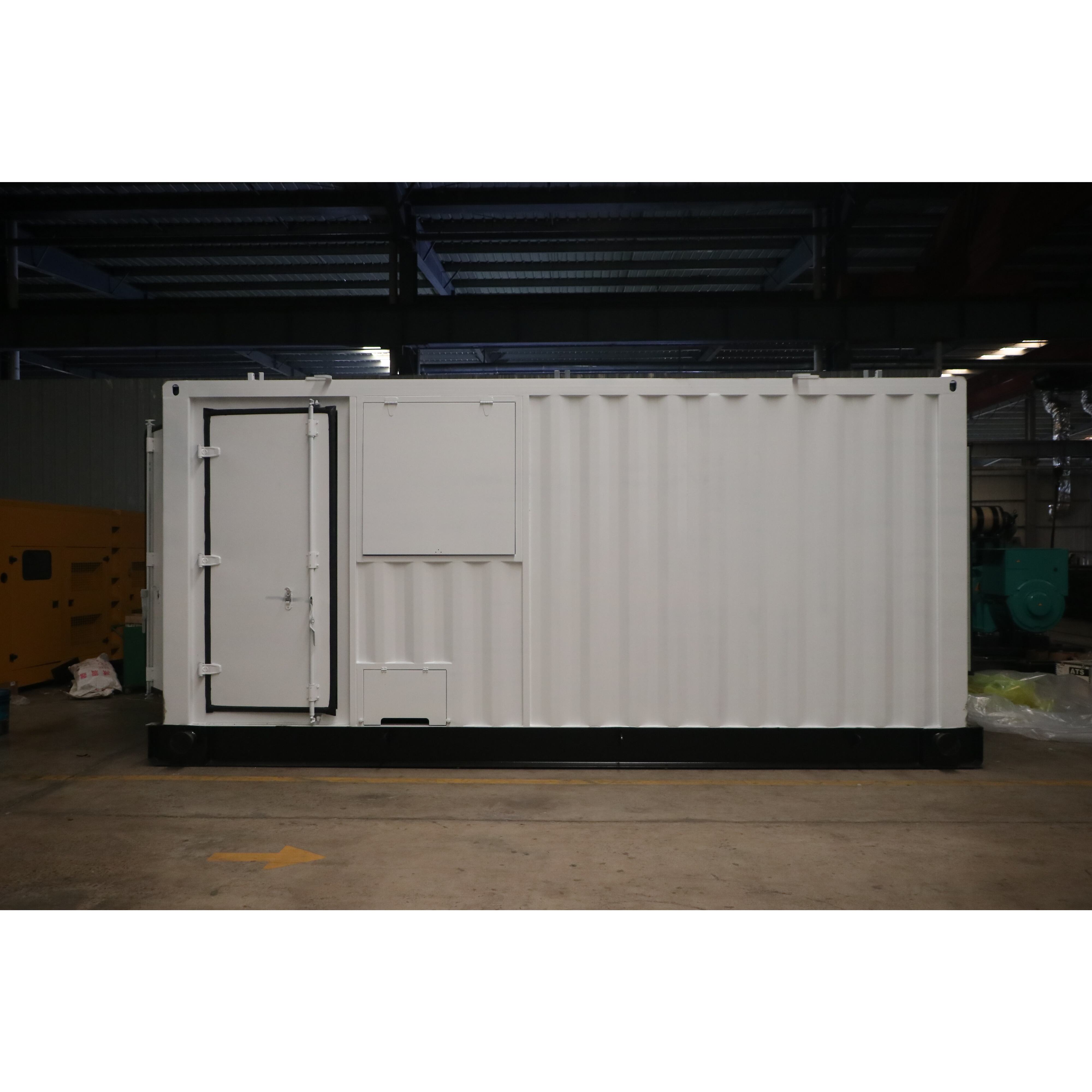
Table of Contents
- Standardized ISO Container Dimensions Ensure Universal Transport Compatibility
- Integrated Modular Design Reduces Deployment Time and Transport Complexity
- Superior Weight Distribution and Structural Integrity Enhance Road Transport Safety
- Cost and Regulatory Advantages of Container Generator Set Logistics