 EN
EN

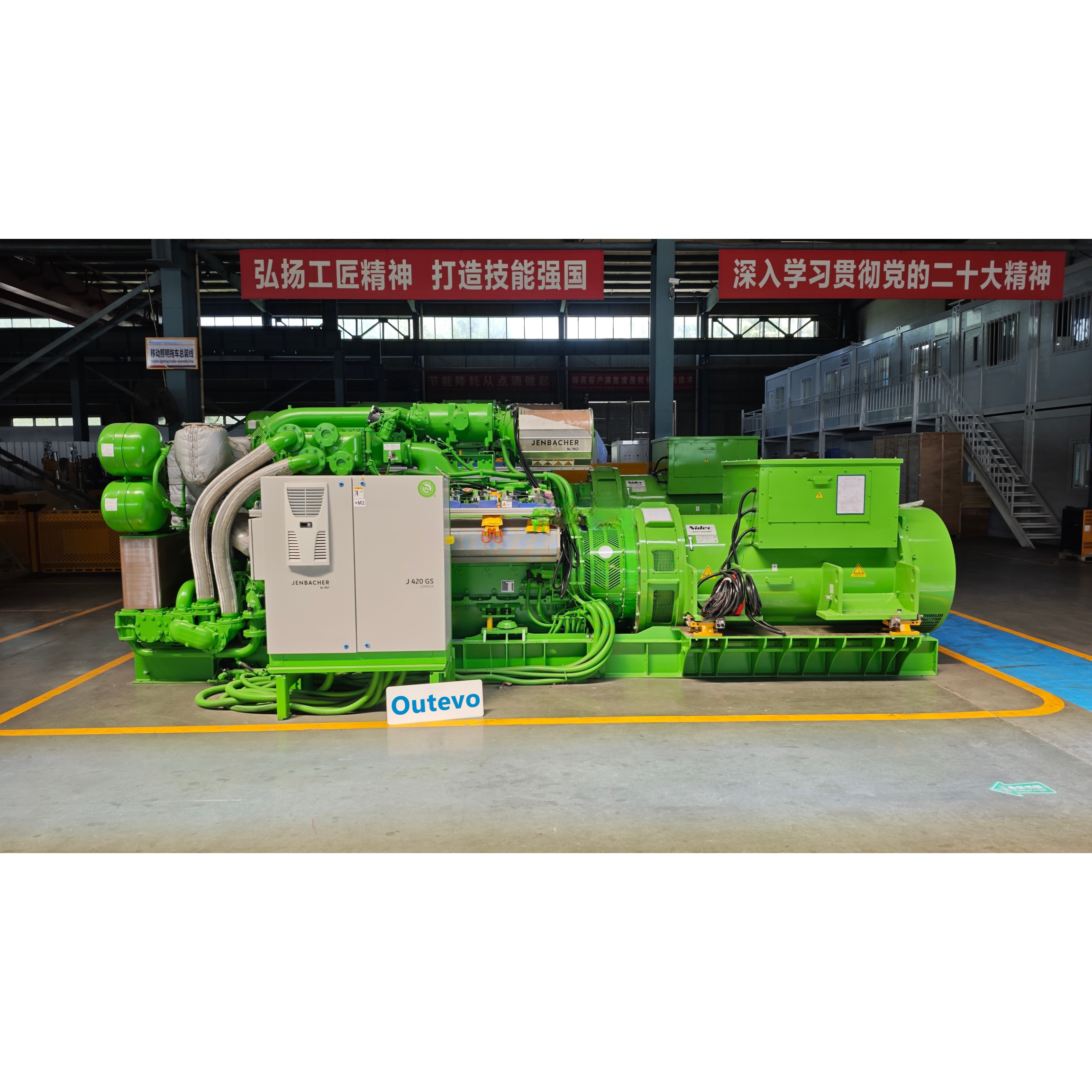
My On Site Fix for a Gas Generator Placement Mistake
Last spring I responded to a call from a family in a suburban neighborhood who reported their gas generator shutting down repeatedly and a strange smell in their backyard shed. They had stored their gas generator inside a wooden shed with only a small window thinking it would protect the unit from rain. When I arrived I found the shed door closed and the gas generator running at half load the air inside smelled strongly of unburned fuel. I immediately moved the gas generator to an open concrete pad 15 feet from their home and opened all shed windows to clear the fumes. Using our gas generator’s built in carbon monoxide detector I confirmed the shed had dangerous gas accumulation levels that triggered the unit’s safety shutdown. After relocating the gas generator to the well ventilated spot it ran continuously for eight hours during a power outage with no issues. The family learned a critical lesson and our gas generator’s safety features likely prevented a serious incident making proper ventilation non negotiable for any gas generator setup.
Why Ventilation Prevents Gas Accumulation in Gas Generator Use
Gas generator operation produces two main risks unburned fuel gas and carbon monoxide both of which are heavier than air and can accumulate quickly in enclosed spaces. When a gas generator burns natural gas or propane incomplete combustion occurs if airflow is limited releasing these gases into the surrounding air. In tight spaces these gases build up forming a flammable mixture that can ignite with a spark from the gas generator itself. Carbon monoxide is odorless and colorless making it even more dangerous as it can cause illness or worse before anyone notices. Our gas generator is engineered with a high efficiency combustion system that reduces emissions but even the cleanest gas generator needs fresh air to burn fuel properly. Good ventilation ensures a steady supply of oxygen for the gas generator’s engine and carries away exhaust fumes preventing both gas accumulation and engine inefficiency from oxygen deprivation.
Expert Safety Guidelines for Gas Generator Ventilation
Dr Mark Harris a fire safety engineer and spokesperson for the National Fire Protection Association has studied gas generator related incidents for over 25 years. He states that inadequate ventilation is the leading cause of gas accumulation and carbon monoxide poisoning cases involving a residential gas generator. In his official guidelines he mandates that a gas generator must be placed at least 10 feet from any building opening and in an area with unobstructed airflow in all directions. Dr Harris emphasizes that even partially enclosed areas like carports or screened porches are not safe for a gas generator as they can trap exhaust gases. He specifically praises our gas generator models for their integrated gas detection sensors which provide an extra layer of protection beyond proper ventilation. He notes that these sensors align with the latest safety standards and give homeowners early warning if gas levels rise even in well ventilated spaces.
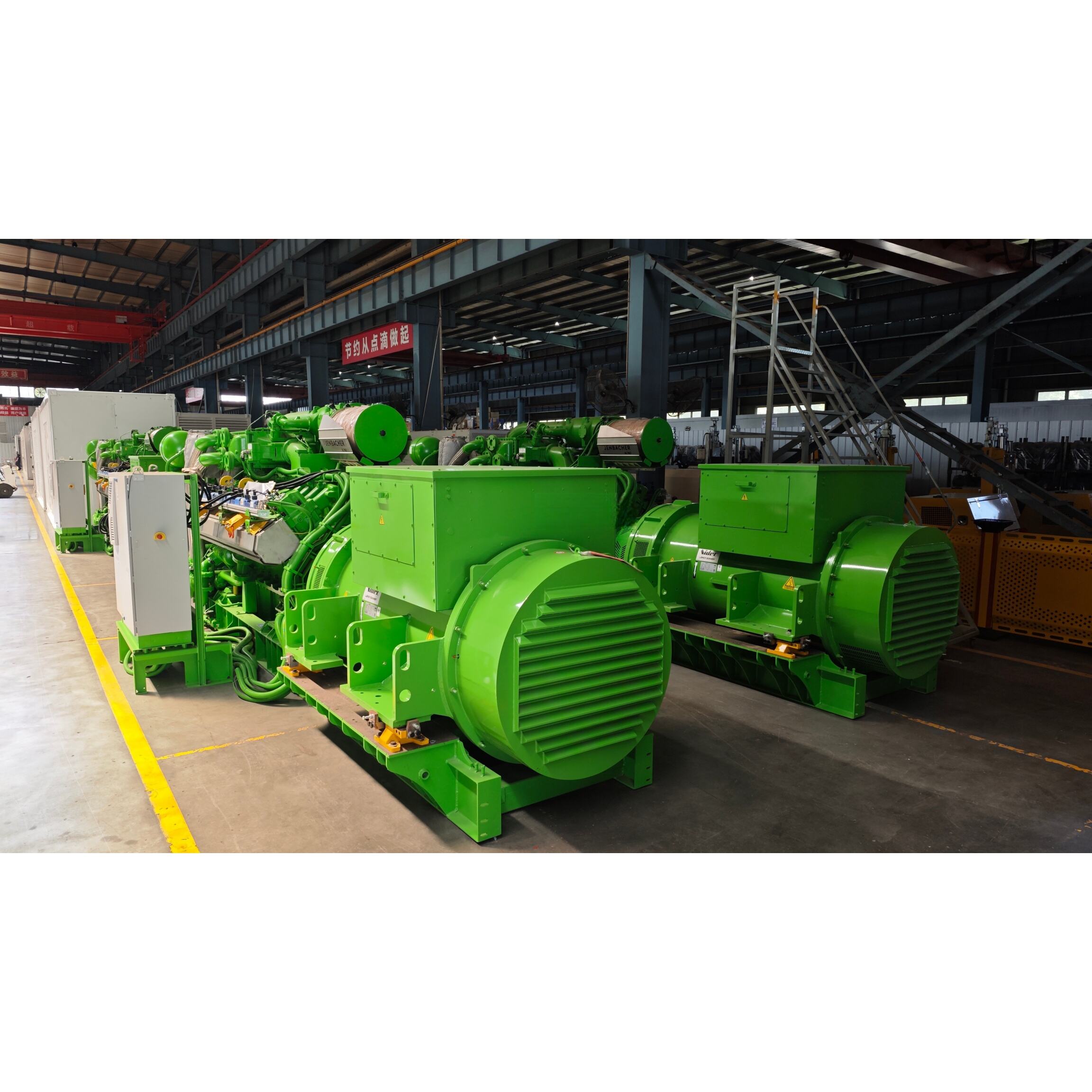
How Our Gas Generator Supports Safe Ventilation Practices
Our gas generator is designed to work seamlessly with well ventilated setups enhancing safety and performance in open air environments. First it features a compact footprint and rugged weather resistant construction allowing it to be placed in exposed outdoor areas without damage from wind or rain eliminating the need to enclose the gas generator. Second every unit is equipped with a low oxygen shutdown sensor that complements proper ventilation if the gas generator is accidentally placed in a poorly ventilated spot and oxygen levels drop the sensor shuts down the gas generator automatically to prevent incomplete combustion and gas accumulation. Third our gas generator’s exhaust system is directed vertically and away from the unit maximizing fume dispersion in open air and reducing the chance of gas pooling near the ground. These design features make our gas generator the safest choice for homeowners committed to proper ventilation practices.
Practical Steps to Place Your Gas Generator in Well Ventilated Areas
Based on our field experience and safety training we have created clear steps to help you place your gas generator in a well ventilated area and avoid gas accumulation. First choose an open outdoor location that is level and dry such as a concrete pad or gravel bed at least 10 feet from your home windows doors and vents. Never place a gas generator in a garage basement shed or under a deck as these areas trap gases. Second ensure the area has no physical barriers blocking airflow around the gas generator trim any overgrown bushes or move objects that could restrict air circulation to the unit. Third position the gas generator with its exhaust facing away from your home and neighboring properties to direct fumes away from living spaces. Fourth use our gas generator’s optional weather cover only when the unit is not running the cover must be removed completely before starting the gas generator to maintain ventilation. Finally test the area by running the gas generator for 10 minutes and checking for any gas smell if you detect fumes reposition the gas generator immediately. Our customer support team is ready to answer any questions and help you identify the perfect spot for your gas generator ensuring safe operation every time.