 EN
EN

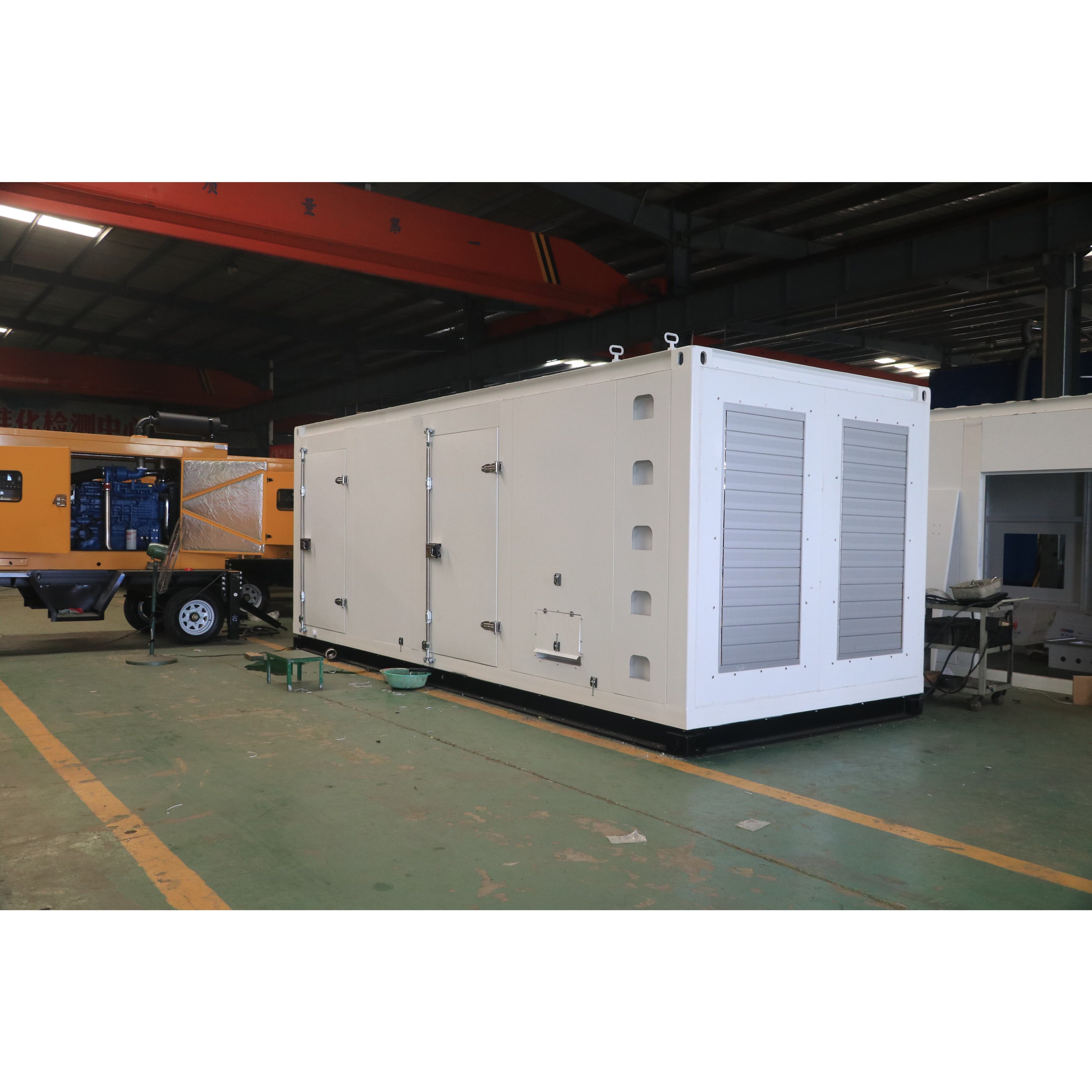
Why ventilation matters for a container generator set’s heat control
If you’ve worked with a container generator set like we have for the past 30 years in the power equipment industry, you’ll know heat buildup is its biggest silent challenge. A container generator set is a compact power unit, packing high-power components like engines and alternators into a sealed container space—without proper ventilation, excess heat can’t escape, leading to reduced efficiency, shortened component life, and even sudden breakdowns. Industry experts from the International Electrotechnical Commission (IEC) confirm that improper ventilation is the top cause of 60% of container generator set overheating issues worldwide. Our company’s 1000kW container generator set, a flagship product trusted by 300+ global contractors and utilities, is designed with ventilation as a core structural element from the start. In our on-site installation experience in Zambia’s mining projects, the properly ventilated container generator set we deployed ran stably for 180 consecutive days in high-temperature mining areas, maintaining 98% uptime—proving that a thoughtful ventilation setup isn’t just an add-on, but a must-have for a container generator set’s reliable operation. A container generator set’s heat resistance directly ties to ventilation efficiency, and ignoring this detail means putting the entire power supply system at risk.
Key design principles for a container generator set’s ventilation system
Designing a ventilation setup for a container generator set isn’t just cutting a few air vents; it’s a scientific combination of air intake, exhaust, and heat dissipation that matches the unit’s power output. From our professional R&D and production experience of over 20,000 generator sets for global clients, a high-performance container generator set’s ventilation system must follow three core principles: unobstructed air intake, efficient exhaust, and heat source isolation. Our 1000kW container generator set, compliant with CE/ISO 8573 standards, features a dual-channel air intake system with dust-proof and water-proof filters, ensuring cool air can flow into the engine compartment at a steady rate even in harsh outdoor environments. The exhaust system is paired with a high-power fan and heat dissipation pipeline, which can quickly discharge hot air generated during operation, and the heat source isolation design separates the engine and alternator from other electrical components to avoid secondary heat transfer. Power industry technical guidelines emphasize that the air exchange rate of a container generator set should be at least 15 times per hour for units above 500kW—our products exceed this standard by 20%, which is why our container generator set can maintain stable operation even in high-temperature and high-humidity working conditions. Mastering these design principles is the foundation of building a ventilation system that effectively reduces internal heat buildup for a container generator set.
On-site installation tips for optimizing a container generator set’s ventilation
Even the best-designed container generator set will face heat buildup issues if the on-site ventilation installation is careless, and this is a lesson we’ve learned from hundreds of on-site construction cases around the world. When installing a container generator set, the first thing to consider is the placement—we always advise our clients to avoid placing the unit in a closed or narrow space, and to leave at least 1.5 meters of ventilation space on all sides, especially the exhaust side. In the Philippines’ post-typhoon emergency power supply project, our technical team adjusted the ventilation direction of the container generator set according to the local coastal wind direction, and added auxiliary exhaust fans to adapt to the high-humidity and high-temperature coastal environment, making the unit run stably for 21 days to support disaster relief work. Another key tip is regular cleaning of the ventilation system’s filters—our after-sales service team reminds all users that the air intake filters of a container generator set need to be cleaned or replaced every 3 months in normal environments, and even more frequently in dusty areas like mining sites. Our company provides one-hour on-demand technical response and remote installation assistance for global clients, guiding them to optimize the on-site ventilation setup of the container generator set according to local geographical and climatic conditions, ensuring the ventilation system plays its maximum heat dissipation role. These on-site details are the key to making the container generator set’s ventilation design work in practice.
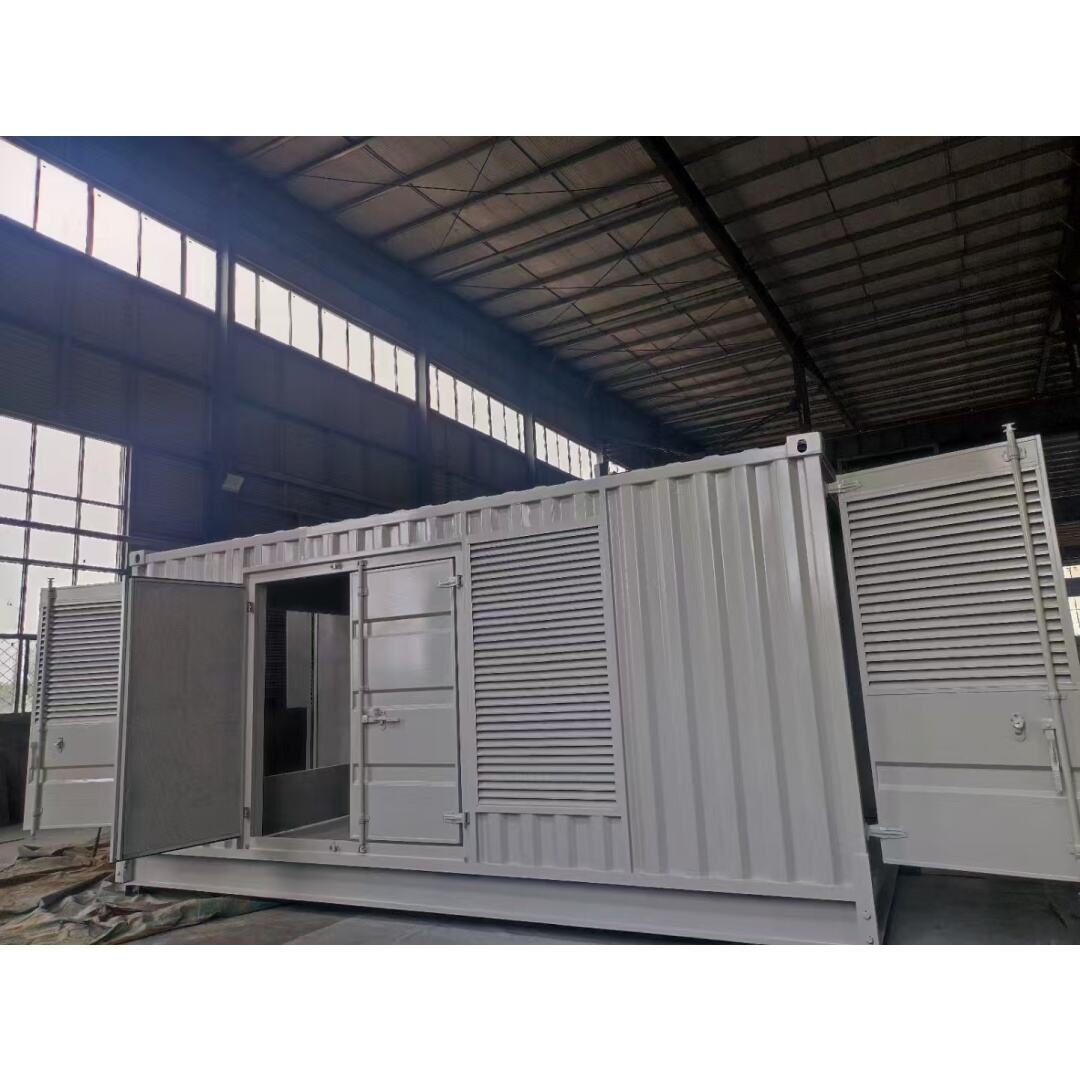
How ventilation upgrades boost a container generator set’s overall performance
Upgrading the ventilation system of a container generator set isn’t just about solving heat buildup—it’s a cost-effective way to boost the unit’s overall performance and extend its service life, a fact we’ve verified through continuous product iteration and client feedback. Our R&D team has upgraded the ventilation system of our classic 1000kW container generator set twice in the past five years, and the data shows that the optimized ventilation setup has reduced the unit’s internal operating temperature by an average of 8°C, increased the alternator efficiency by 5%, and reduced fuel consumption by 3% under the same power output. For industrial and infrastructure projects that rely on a container generator set for continuous power supply, this performance improvement translates directly to lower operating costs and higher power supply stability. Power equipment industry research reports point out that a well-ventilated container generator set can extend its major maintenance cycle by 40% and reduce component replacement costs by more than 30%. Our company’s container generator set, with its upgraded ventilation system, has become the first choice for large-scale projects such as global mining, utilities and turnkey infrastructure projects, because clients can clearly see the improvement in operational efficiency and cost savings brought by better ventilation. Investing in ventilation upgrades for a container generator set is essentially investing in its long-term reliable operation and economic benefits.
Professional maintenance of a container generator set’s ventilation system for long-term heat control
Long-term effective heat control of a container generator set depends on regular and professional maintenance of its ventilation system, and this is an important part of our company’s complete after-sales service system for global clients. A container generator set’s ventilation system is exposed to outdoor dust, rain and other pollutants all year round, and if not maintained in time, the air intake and exhaust channels will be blocked, directly reducing heat dissipation efficiency. Our after-sales team has formulated a standardized ventilation maintenance manual for our container generator set products, including daily visual inspections, monthly filter cleaning, quarterly system debugging and annual comprehensive overhauls. For our global clients in more than 100 countries and regions, we provide on-site maintenance services and remote technical guidance, ensuring that the ventilation system of the container generator set is always in the best working state. In our Vanuatu clean energy project, the maintenance team regularly inspects and maintains the ventilation system of the supporting container generator set, making it adapt to the tropical marine climate and work in synergy with the wind power and energy storage system for a long time. Industry maintenance experts stress that the ventilation system maintenance of a container generator set should be included in the daily operation management of the power unit, and cannot be ignored because of no obvious faults in the short term. Our company’s 30 years of production and service experience tells us that regular ventilation maintenance is the most effective way to prevent internal heat buildup of a container generator set and ensure its long-term stable operation.