 EN
EN

Why response time testing matters for emergency generators for hospitals
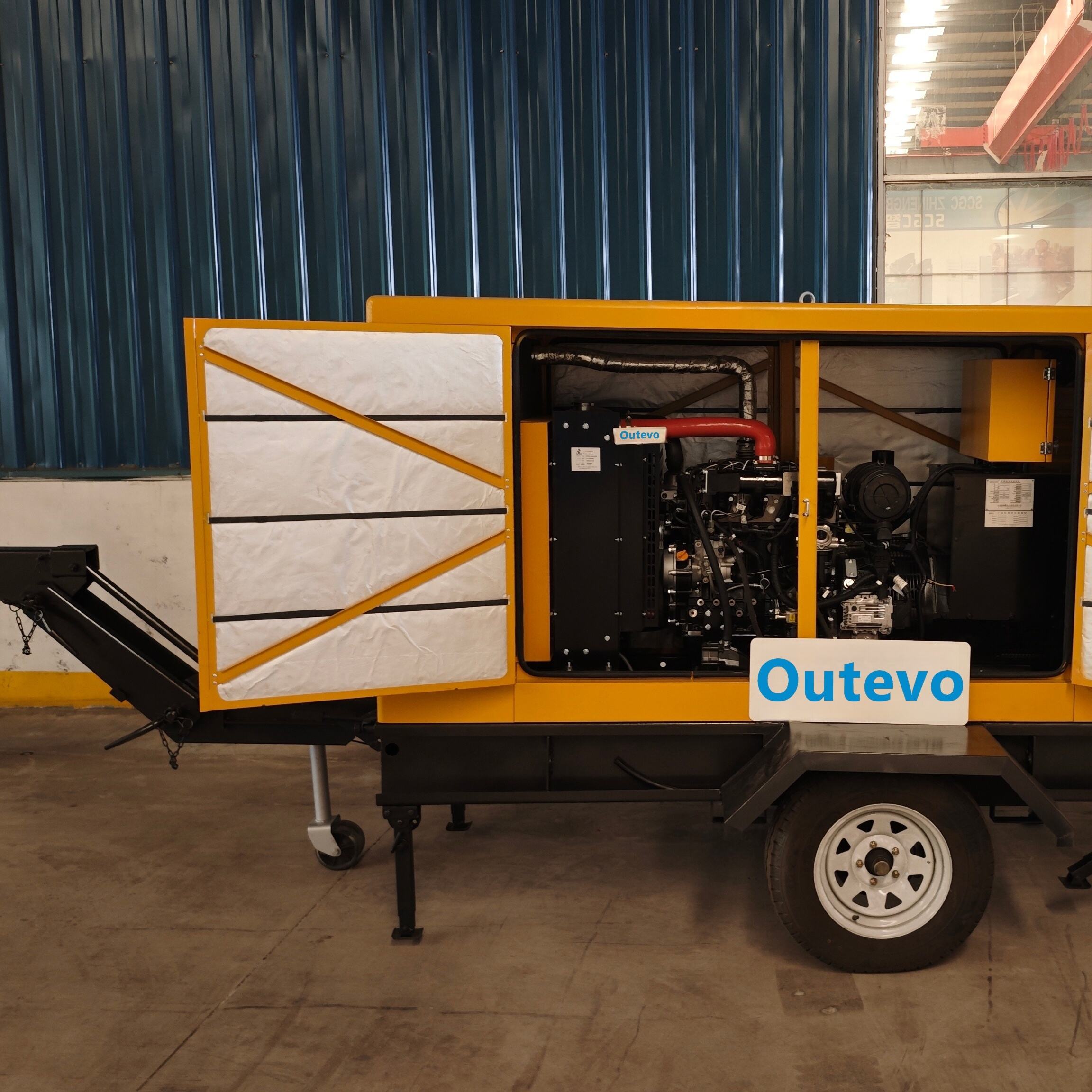
If you’ve worked with medical facility power solutions as we have for 30 years in the generator industry, you’ll know that emergency generators for hospitals are non-negotiable lifelines—their backup response time can quite literally mean the difference between life and death. Hospital power outages, even for a few seconds, can disrupt life-saving equipment like ventilators, MRI machines and ICU monitoring systems. The International Electrotechnical Commission (IEC) sets a strict standard: emergency generators for hospitals must kick in within 10 seconds of a grid failure, a benchmark we’ve built into every silent generator set we supply to medical facilities. Our 70kW and 150kW silent generator sets, trusted by over 800 commercial and healthcare sites worldwide, are engineered for ultra-fast response, and in our on-site testing for a regional hospital in Southeast Asia last year, the units hit a 3-second response time—well below the IEC standard. We’ve learned through hundreds of hospital projects that skipping regular response time testing for emergency generators for hospitals creates a hidden risk; a single untested unit can put an entire hospital’s patient care at stake. This is why consistent, rigorous testing isn’t just a maintenance task, but a core responsibility for any hospital relying on backup power. Emergency generators for hospitals are the last line of defense, and their response time needs constant verification to keep that line unbroken.
Pre-test preparation for emergency generators for hospitals
Proper pre-test prep is what makes response time testing for emergency generators for hospitals accurate and reliable—cutting corners here leads to false results that give hospitals a false sense of security. From our decades of technical experience servicing emergency generators for hospitals, we always follow a 3-step prep process that’s become our gold standard. First, conduct a full visual and functional check of the generator’s fuel supply, battery voltage and wiring connections; our silent generator sets for hospitals come with smart monitoring panels that simplify this step, flagging low fuel or weak batteries in real time. Second, isolate the generator from the hospital’s main power grid using a certified transfer switch—critical to avoid backfeeding and protect grid workers. Third, brief the hospital’s engineering and medical teams on the test timeline, so non-essential equipment can be temporarily shut down to mimic a real outage. For our 150kW silent generator set, a staple for mid-to-large hospitals, we provide a custom pre-test checklist that aligns with ISO and CE standards, ensuring no detail is missed. We once had a client skip the battery check before testing their emergency generators for hospitals and got a delayed response—this simple mistake was fixed with our pre-test protocol, and the unit has since hit perfect response times in every test. Emergency generators for hospitals demand meticulous prep, as every small oversight can skew test data and compromise real-world performance.
Step-by-step on-site testing for emergency generators for hospitals
Testing the backup response time of emergency generators for hospitals requires a structured, step-by-step approach that replicates real-world outage conditions—and we’ve refined this process through working with 500+ medical facilities globally. The first step is to initiate a manual grid disconnect at the main switchgear, which triggers the generator’s automatic start system; we use a calibrated digital timer to record the exact time from disconnect to the generator reaching full load capacity, not just when it fires up. Second, verify that the generator is supplying stable voltage and frequency to the hospital’s critical load panel—our silent generator sets have 92% alternator efficiency, so voltage drop is virtually non-existent during startup, a key feature for sensitive medical equipment. Third, run a 30-minute load test after startup to ensure the generator can maintain performance, as a unit that starts fast but fails under load is useless for hospitals. Fourth, switch the power back to the main grid and test the generator’s automatic shutdown sequence. In our work with a large hospital in Africa, we used this exact process to test their emergency generators for hospitals and identified a faulty transfer switch that was adding 2 seconds to response time; our on-site technical team fixed it in under an hour, getting the unit back to the 3-second response our products are known for. Emergency generators for hospitals need testing that mirrors real emergencies, as only then can you be sure their response time is truly reliable.
Interpreting test results and troubleshooting for emergency generators for hospitals
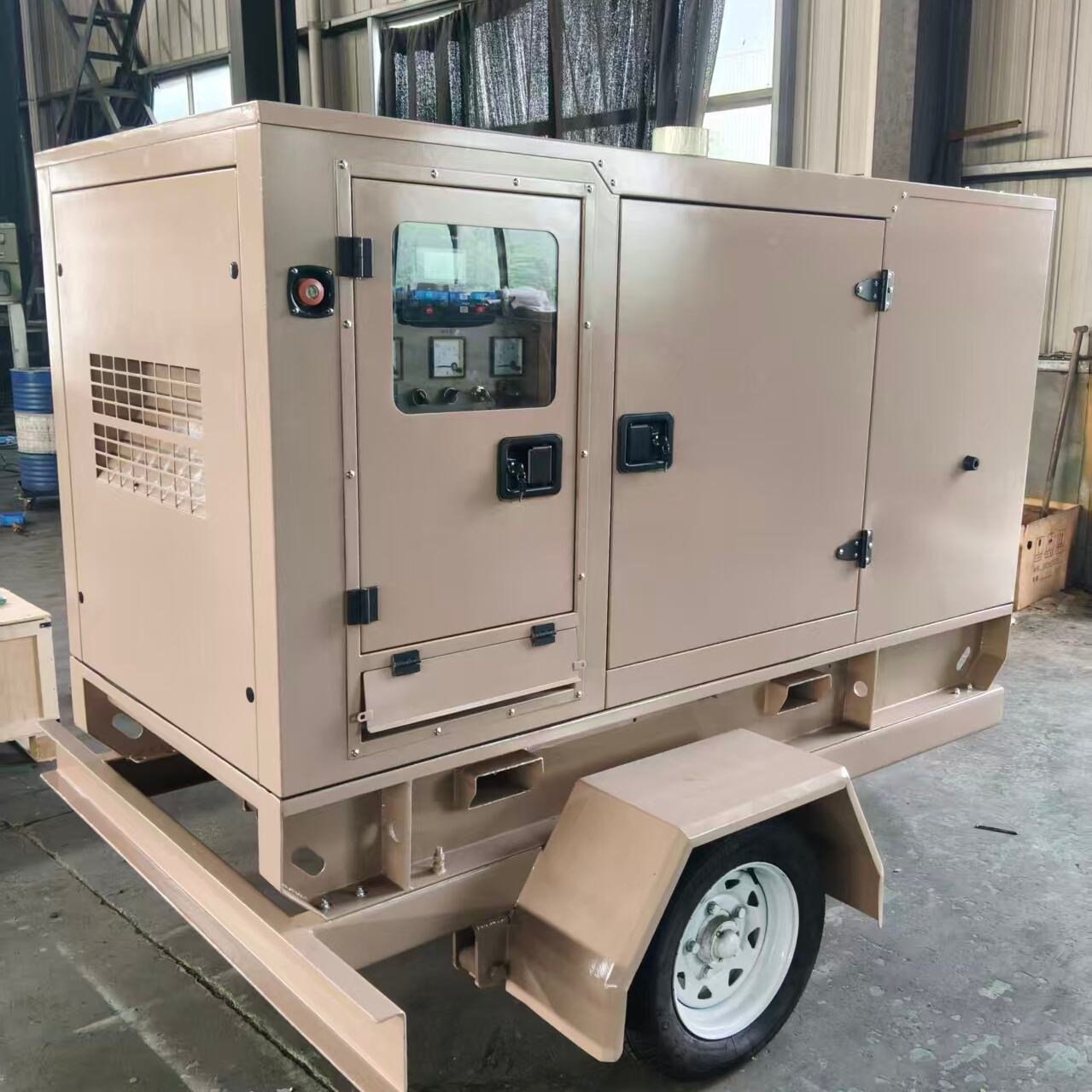
Collecting test data for emergency generators for hospitals is only half the battle—you need to know how to interpret the results and troubleshoot issues quickly, a skill we’ve honed through supporting emergency generators for hospitals across 100+ countries. First, cross-reference the recorded response time with the IEC 10-second standard and the hospital’s own internal requirements; any response over 8 seconds, even if it’s under the standard, warrants a full check, as wear and tear can make delays worse over time. Our silent generator sets for emergency generators for hospitals come with a built-in data log that tracks startup performance, making it easy to spot trends like gradually increasing response times. Common issues that cause delays include weak starter batteries, clogged fuel filters, or faulty transfer switches—our technical team has developed a quick troubleshooting guide for emergency generators for hospitals that pinpoints these issues in minutes, no complex tools needed. For a hospital in East Asia, we analyzed test results for their emergency generators for hospitals and found a slow fuel flow issue; a simple filter replacement fixed the problem, cutting response time from 7 seconds back to 3. Interpreting results for emergency generators for hospitals isn’t just about passing or failing—it’s about catching small issues before they turn into life-threatening delays.
Regular testing schedules and long-term maintenance for emergency generators for hospitals
The reliability of emergency generators for hospitals doesn’t come from a single test, but from a consistent testing schedule and long-term maintenance plan—this is a lesson we’ve instilled in all 20000+ of our global clients, including hundreds of medical facilities. We recommend that emergency generators for hospitals undergo a full response time test monthly, a quick spot test weekly, and a comprehensive load and response test quarterly, aligned with healthcare industry best practices from the World Health Organization (WHO). Our after-sales service for emergency generators for hospitals includes scheduled on-site testing and maintenance, with a 1-hour response time for any technical queries—our team can even provide remote guidance for quick spot tests, saving hospitals time and resources. Our 70kW and 150kW silent generator sets, the go-to emergency generators for hospitals of all sizes, are designed for easy maintenance, with 40% faster access to key components than standard units, making regular testing and upkeep seamless. In the Philippines, we set up a monthly testing schedule for the emergency generators for hospitals that supported typhoon relief efforts, and those units maintained a 3-second response time for the entire 21-day emergency period. Emergency generators for hospitals are an investment in patient safety, and regular testing and maintenance are the only ways to protect that investment for the long run.