 EN
EN

Why load capacity selection is critical for emergency generators for hospitals
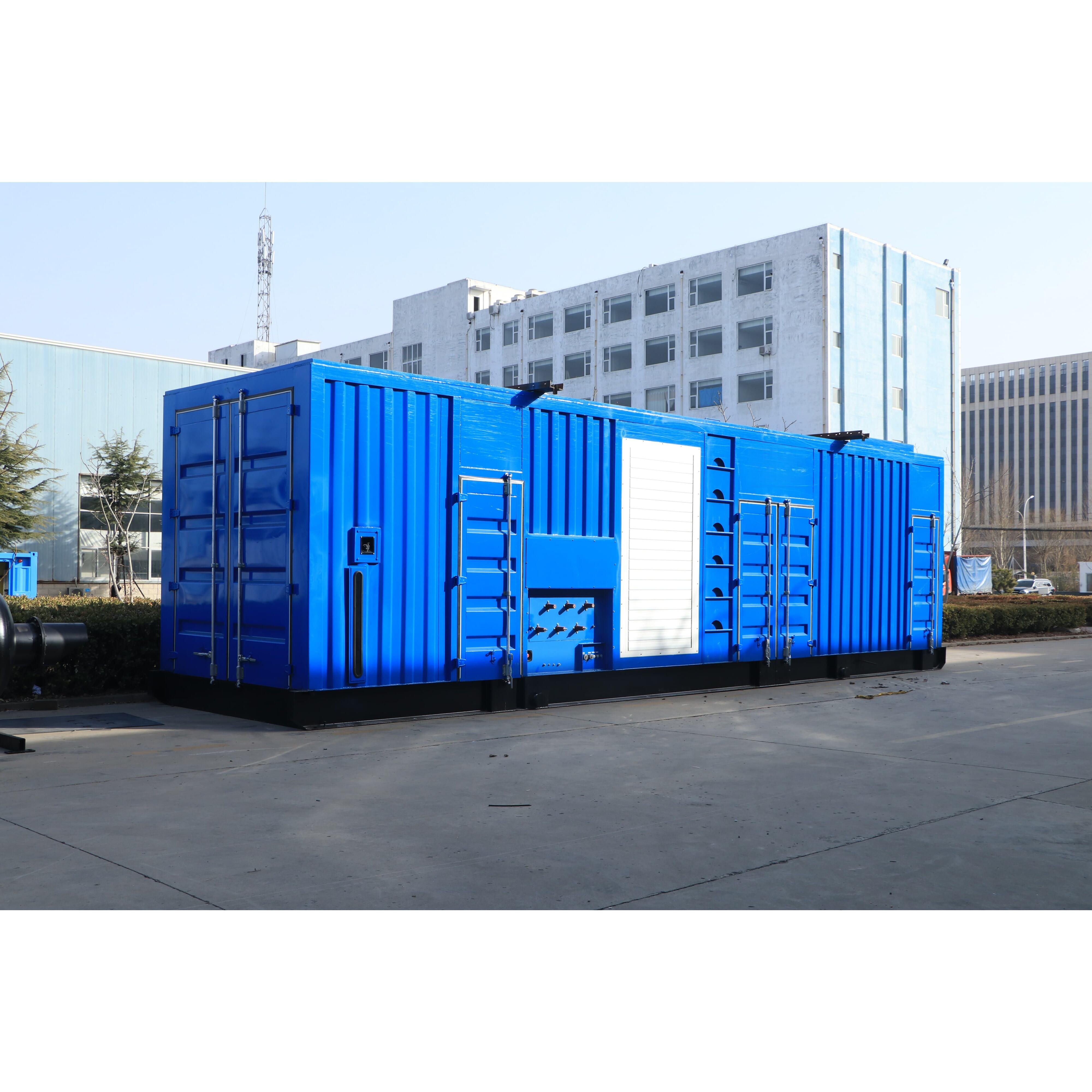
In the three decades we’ve been building and supplying power solutions for medical facilities, we’ve learned that choosing the right load capacity for emergency generators for hospitals is one of the most vital decisions a healthcare facility can make. Emergency generators for hospitals aren’t just backup power—they’re the backbone of patient care, powering life-critical equipment from ICU monitors and ventilators to surgical tools and refrigeration for medications. The World Health Organization (WHO) stresses that emergency generators for hospitals must cover 100% of a facility’s critical load, with a 20-30% surplus to account for sudden peak demands or additional equipment use during crises. Our 70kW and 150kW silent generator sets, the go-to emergency generators for hospitals across 100+ countries, are engineered to meet this exact standard, trusted by over 800 commercial and healthcare sites globally. We once supported a small community hospital in Southeast Asia that initially chose an undersized unit for their emergency generators for hospitals; during a sudden power outage, the generator failed to support both the ICU and emergency department, leading to avoidable disruptions. After upgrading to our 70kW silent generator set—sized to cover their critical load plus a 25% surplus—they’ve had zero power-related issues in subsequent outages. This case drives home that skimping on load capacity for emergency generators for hospitals isn’t just a cost-cutting mistake, it’s a risk to patient safety.
How to calculate the critical load for emergency generators for hospitals
Calculating the exact critical load is the first step to sizing emergency generators for hospitals correctly, and our technical team has refined a straightforward, industry-proven method for this after working with hundreds of medical facilities. First, list all critical hospital systems: this includes ICU and emergency department equipment, life support machines, medical gas supply, essential lighting, and refrigeration for vaccines and blood products. Next, sum the total power draw of these systems in kilowatts—our on-site technicians provide free load audits to help hospitals get this number precise, a service we include for all clients investing in emergency generators for hospitals. Then, add a 20-30% contingency load to this total; this buffer accounts for peak usage, such as multiple surgeries running at once, or temporary equipment brought in during a crisis like a natural disaster. Finally, factor in the starting wattage of large equipment like MRI machines, which have a higher initial power draw than their running wattage. Our 150kW silent generator set, a top choice for mid-sized hospitals, is designed to handle these high inrush currents with ease, thanks to its 92% alternator efficiency and robust engine design. For a mid-sized hospital in Africa, we completed a full load audit and calculated their critical load at 110kW; we recommended our 150kW silent generator set for their emergency generators for hospitals, the 27% surplus ensuring they could handle any peak demand without strain. This precise calculation is what makes emergency generators for hospitals reliable when it matters most.
Matching load capacity to hospital size for emergency generators for hospitals
Emergency generators for hospitals can’t be a one-size-fits-all solution—load capacity must align perfectly with the facility’s size and patient care needs, a principle we follow for every hospital project we take on. For small community hospitals and clinics with a single ICU ward and basic emergency services, 70kW emergency generators for hospitals are the ideal fit; our 70kW silent generator set delivers ultra-low 70-90dB(A) operation, critical for keeping noise levels low in healthcare settings, and an 8-hour runtime to cover extended outages. For mid-sized hospitals with multiple ICU wards, a busy emergency department, and diagnostic imaging centers, 150kW emergency generators for hospitals are the standard—our 150kW silent generator set offers the same quiet operation and 8-hour runtime, with the higher load capacity to support more complex medical equipment. For large tertiary hospitals with multiple buildings, advanced surgical centers, and intensive care units, we design custom containerized generator set solutions, combining multiple units to deliver the high load capacity needed, with 98% uptime and fast deployment—core features of our containerized emergency generators for hospitals. We supplied emergency generators for hospitals to a large tertiary facility in East Asia, combining two 150kW silent generator sets and a containerized unit to meet their 400kW critical load; the system has run stably for over a year, with zero downtime during power outages. Matching load capacity to size ensures emergency generators for hospitals perform flawlessly, no matter the facility’s scale.
Key features to prioritize in sized emergency generators for hospitals
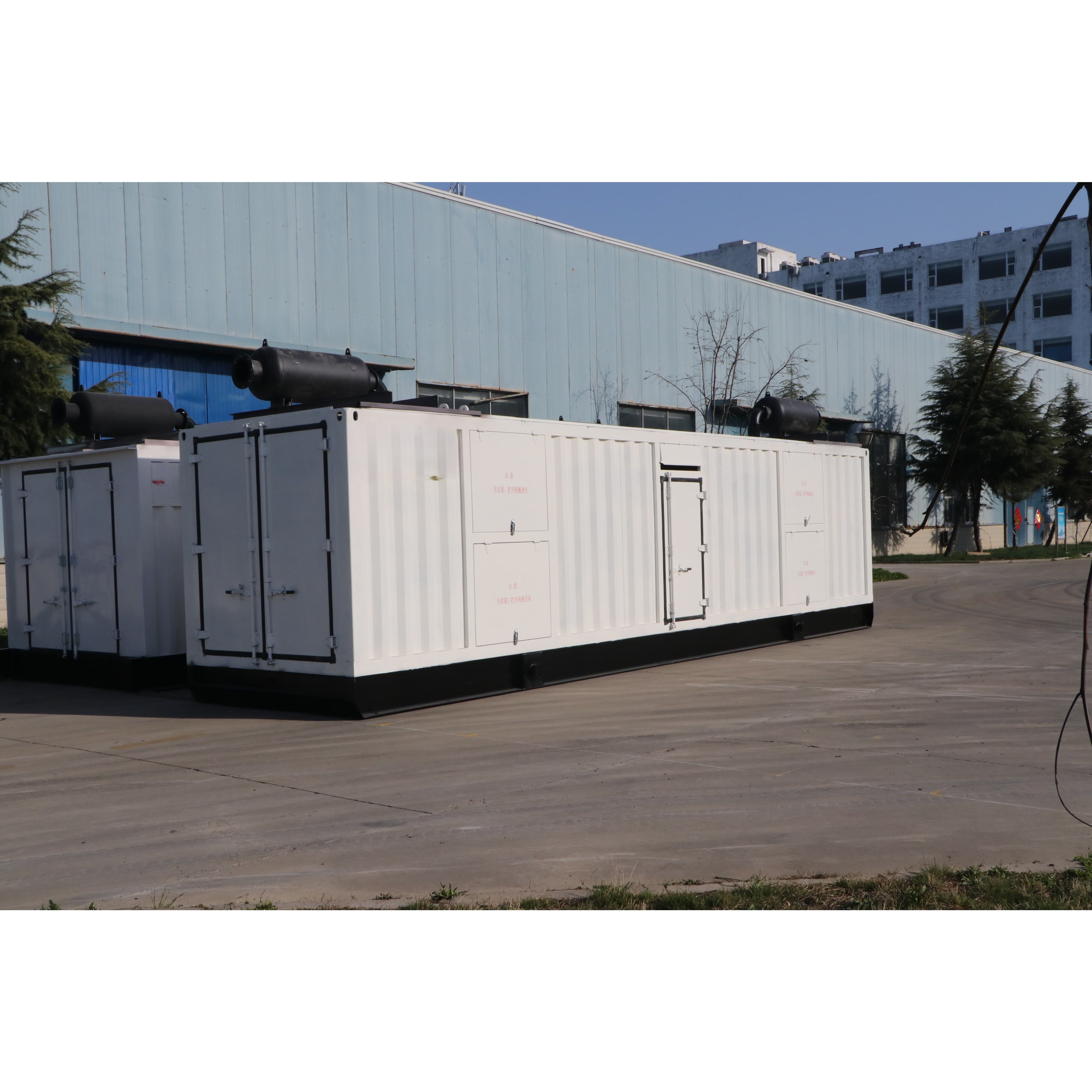
Once you’ve locked in the right load capacity for emergency generators for hospitals, it’s crucial to choose units with features that complement that capacity and boost overall reliability—features we’ve engineered into every silent generator set we make for healthcare facilities. First, high alternator efficiency is non-negotiable; our emergency generators for hospitals boast 92% alternator efficiency, meaning they convert fuel to power with minimal waste, ensuring the load capacity is used to its full potential without unnecessary fuel consumption. Second, quiet operation (70-90dB(A)) is essential for hospitals, as loud generators can cause stress for patients and disrupt care—our silent design is a hallmark of our emergency generators for hospitals, setting us apart from standard open-frame units. Third, weather resistance and build quality ensure the generator can operate in any condition, from extreme heat to heavy rain; our units are CE and ISO certified, with robust enclosures that protect internal components while maintaining optimal performance for the rated load capacity. Fourth, easy maintenance access is key for keeping emergency generators for hospitals running smoothly; our design allows 40% faster maintenance access than standard units, so technicians can perform checks and repairs without taking the generator offline for long. We installed our 150kW silent generator set as emergency generators for hospitals at a coastal medical facility in the Philippines; its weather resistance and high efficiency meant it operated at full load capacity even during tropical storms, powering the hospital through multiple grid outages with no issues. These features turn properly sized emergency generators for hospitals into truly dependable life support systems.
Long-term load capacity management for emergency generators for hospitals
Choosing the right load capacity for emergency generators for hospitals is only the start—long-term management is needed to ensure the unit continues to meet the hospital’s load needs as the facility grows and evolves, a service we provide to all our global hospital clients. We recommend that hospitals conduct a full load reassessment for their emergency generators for hospitals every 2-3 years, or whenever they add new medical equipment, expand a ward, or open a new department. Our technical team offers these reassessments for free, checking if the current generator’s load capacity still covers the critical load (plus contingency) and advising on upgrades if needed. We also provide regular maintenance and load testing for emergency generators for hospitals, running the unit at 80-100% of its rated load capacity to ensure it can perform at full power when an outage hits—this testing is critical for preventing unexpected failures, as generators that sit idle for long periods can lose their ability to handle full load. Our after-sales service for emergency generators for hospitals includes a 1-hour response time for all technical queries, remote maintenance guidance, and on-site support for load testing and upgrades, with products delivered worldwide in 3-7 working days if an upgrade is needed. A hospital in Vanuatu that we supplied emergency generators for hospitals to expanded their ICU last year; our team completed a load reassessment, found their 70kW unit was no longer sufficient, and upgraded them to a 150kW silent generator set in just 5 working days. This proactive long-term management ensures emergency generators for hospitals always have the right load capacity to protect patient care, now and in the future.