
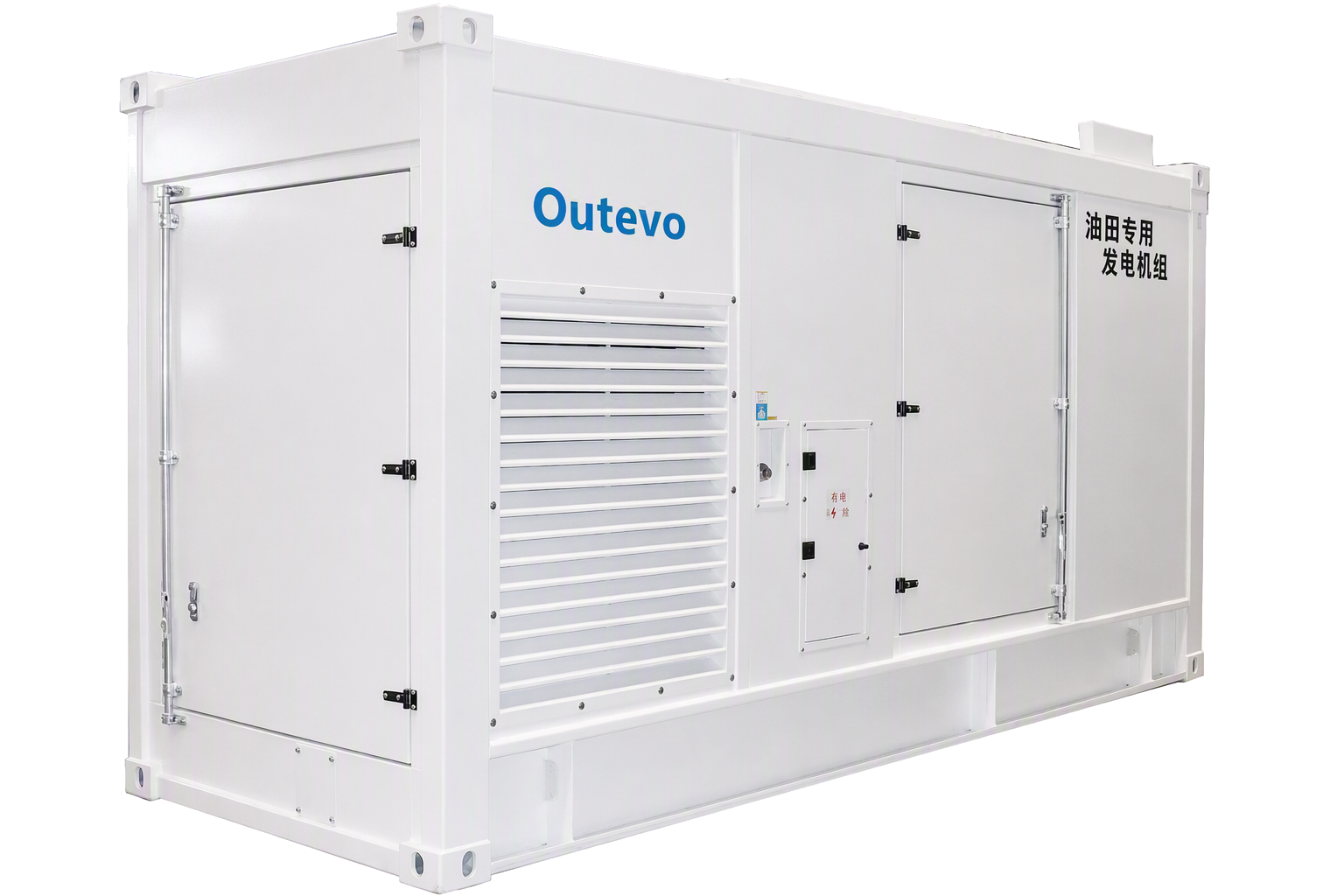
Generator fuel quality is the least glamorous part of a power system and one of the most common reasons a set fails to start at two in the morning. Engines and alternators are usually specified carefully. The fuel sitting in a tank for eight months on a remote site is rarely specified at all, yet it determines whether the injectors, filters and combustion process perform the way the commissioning report promised.
This guide covers what happens to diesel in storage, how tank and filtration design should respond, what to test and how often, and how to write the fuel supply arrangement so that quality is somebody's contractual responsibility.
Why Fuel Quality Decides Reliability on Remote Sites
On a connected site, fuel turns over quickly and problems are corrected by the next delivery. On a mine, a construction camp or a telecom site, fuel may sit for months in high ambient temperatures, be delivered by road tanker from an uncertain source, and be stored in a tank that was never designed for long-term storage. Under those conditions the fuel degrades, water accumulates and micro-organisms grow, and the first symptom is a blocked filter or a failed start rather than a warning.
How Diesel Degrades in Storage
Diesel is not chemically inert. Over time, and faster at high temperature and in the presence of oxygen, water and light, it undergoes oxidation and forms gums, resins and insoluble particles. Those particles are what block filters and lacquer injectors.
- Oxidation. Accelerated by heat, oxygen and catalytic metals. The result is colour change, sediment and a rise in acidity.
- Water ingress. Through condensation in a partly filled tank, through vents, and through contaminated deliveries. Water is denser than diesel, collects at the bottom, and is drawn off first by the suction line.
- Microbial growth. The interface between fuel and water supports bacteria and fungi, which form biomass that plugs filters and produces corrosive by-products.
- Particulate contamination. Rust, scale from the tank, dust from vents and debris from deliveries all enter the fuel path.
- Volatility loss. Light ends evaporate from a hot tank, which can affect ignition quality and cold-start behaviour.
Tank Design: Water, Sludge and Breathing
Most fuel problems are built into the tank before any fuel arrives. A tank designed for long-term storage differs from a simple steel box in several specific ways.
- Sloped bottom and low-point drain. Water and sludge should collect where they can be removed, not where the suction line can pick them up.
- Suction above the water line. Drawing fuel from a point well above the tank floor reduces the chance of pulling water and sediment into the engine.
- Baffles. Baffles reduce sloshing and let contaminants settle instead of being re-suspended by every delivery.
- Sealed, filtered vents. Tanks must breathe as fuel is drawn and as temperature changes, but the air should not carry dust or moisture in.
- Desiccant or breathable dryers. On sites with high humidity, drying the incoming vent air reduces condensation significantly.
- Access for cleaning. A tank that cannot be entered or swept cannot be cleaned, and a tank that cannot be cleaned will eventually fail.
Bunding and secondary containment belong in the same design discussion, because a tank that leaks on a remote site is both an environmental incident and a lost fuel reserve.
Filtration and Fuel Polishing
Filtration has two jobs: protecting the engine during operation, and cleaning the fuel in storage. They are not the same task and should not be handled by the same filter.
On the engine side, a water separator followed by progressively finer filters is standard practice, with a pressure differential indicator so that a blocked filter is detected before it causes a shutdown. Filter ratings should follow the engine manufacturer's requirement. Finer is not automatically better: an over-fine filter on a contaminated tank simply blocks faster.
On the storage side, a polishing system circulates fuel through a filter and water separator, often on a timer, so that contaminants are removed continuously rather than only when the engine runs. Polishing is most effective when it is combined with the following:
- Regular removal of water from the tank low point, not only when the alarm appears.
- Sampling from the bottom, the middle and the top of the tank, because contamination is not evenly distributed.
- Cleaning the tank when sludge is detected, instead of trying to dilute it with fresh fuel.
- Keeping the tank as full as practical to reduce condensation, while leaving the required ullage.
Testing: What to Measure and How Often
Visual inspection is not testing. Clear, bright fuel can still carry dissolved water, microbial contamination or a low cetane number. A practical programme for a remote site includes:
- On receipt. Visual check for clarity, colour and water, plus a filter patch test or a portable particle count where available. Retain a sample from every delivery.
- Monthly. Water and sediment check from the tank bottom, filter differential pressure review, and a check for microbial growth at the fuel-water interface.
- Quarterly or semi-annually. Laboratory analysis covering water content, particle count, microbial presence, oxidation stability and, where cold weather is a factor, cloud point and cold filter plugging point.
- Annually. Tank inspection, sludge volume assessment and a review of the fuel turn-over rate against the storage design.
Retaining samples matters. When a filter blocks or an injection pump fails, the retained sample is usually the only evidence available to separate a fuel problem from an equipment problem.
Microbial Contamination and the Diesel Bug
Microbial growth needs only a thin layer of water at the fuel interface. The biomass it forms is sticky, blocks filters quickly and generates acids that attack tank linings and metal surfaces. The characteristic signs are a dark, slimy deposit on filters, a rotten odour and corrosion pitting inside the tank.
Treating it is not simply a matter of adding biocide. The dead biomass still has to be removed physically, which means cleaning the tank and polishing the fuel, otherwise the problem returns with the next batch. Where contamination is severe, the practical answer is often to dispose of the affected fuel and clean the system rather than to try to recover it in place.
Cold Weather, Waxing and Cloud Point
In cold climates, paraffin in diesel begins to crystallize as temperature falls. Cloud point is where the first crystals appear; cold filter plugging point is where the fuel stops passing through a filter. Both must be below the lowest expected fuel temperature on site, with margin for an unusually cold night.
Practical measures include specifying a winter-grade fuel for cold months, providing tank and line heating where the climate requires it, insulating exposed pipework, and checking that the fuel in the day tank is the same grade as the fuel in the bulk tank. Blending summer and winter fuel without checking the resulting properties is a common cause of winter starting failures.
Fuel Supply Contracts and Delivery Discipline
Quality is only controllable if the contract defines it. The supply agreement should specify the fuel grade and the test standard, require delivery documentation with batch details, allow sampling on receipt and rejection of off-specification fuel, and set out who is responsible for tank cleaning and polishing.
Delivery discipline matters as much as the specification. Tanker hoses, pump seals and transfer equipment can carry contamination from the previous load. A short settling period before drawing fuel, combined with bottom sampling after each delivery, catches most delivery-related problems before they reach the engine.
FAQ: Generator Fuel Quality
How long can diesel be stored before it becomes a problem?
There is no single answer, because storage conditions dominate. Fuel held in a hot, partly filled, poorly vented tank can deteriorate within months, while fuel in a cool, dry, well-maintained tank can stay serviceable much longer. Testing, rather than a calendar, should decide when fuel needs treatment or replacement.
Does a fuel additive solve contaminated fuel?
Additives can improve stability and control microbial growth, but they cannot remove water, sludge or existing particulate contamination. Mechanical removal through settling, separation, filtration and tank cleaning is still required.
How often should the tank be drained of water?
As often as the site's humidity, temperature swings and delivery quality require, and at minimum on a fixed schedule with the result recorded. Water alarms help but should not replace routine manual checks.
Is fuel polishing worth it on a small site?
Where fuel sits for long periods, polishing is usually cheaper than the downtime caused by blocked filters and injector damage. On sites with high turn-over, a well-designed tank, water separation and a disciplined sampling routine may be sufficient.
Treat fuel as part of the power system rather than as a consumable, and the generator will start when it is needed, run at the output it was specified for, and avoid the slow accumulation of damage that turns a ten-year asset into a five-year one.
Table of Contents
- Why Fuel Quality Decides Reliability on Remote Sites
- How Diesel Degrades in Storage
- Tank Design: Water, Sludge and Breathing
- Filtration and Fuel Polishing
- Testing: What to Measure and How Often
- Microbial Contamination and the Diesel Bug
- Cold Weather, Waxing and Cloud Point
- Fuel Supply Contracts and Delivery Discipline
- FAQ: Generator Fuel Quality
