 EN
EN

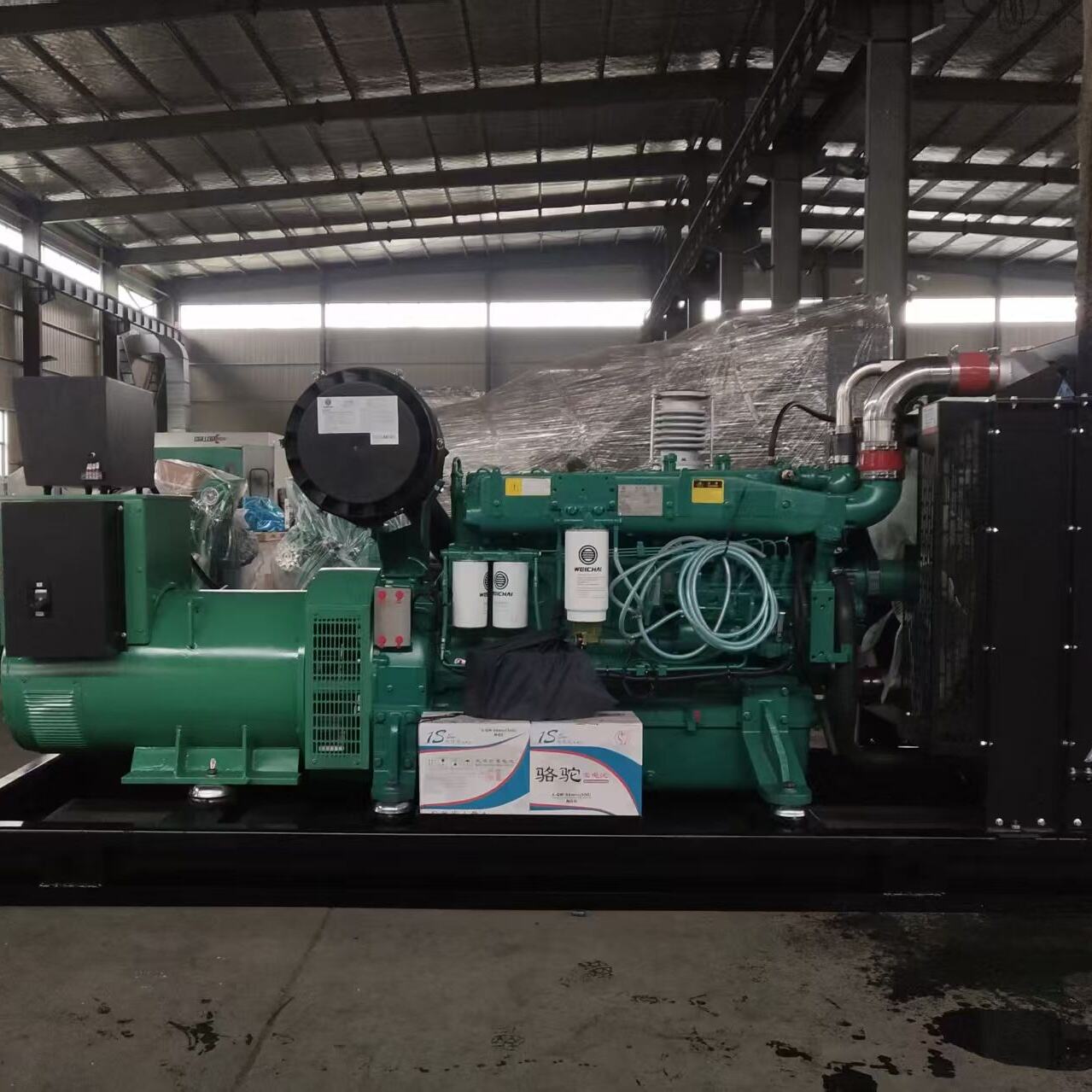
Why pre-use routine checks matter for a diesel engine generator
Having spent 30 years crafting and servicing diesel engine generator units for clients across more than 100 countries, we know that pre-use routine checks are the unsung hero of keeping a diesel engine generator running reliably. A diesel engine generator is the backbone of power supply for construction sites, medical facilities, mining operations and emergency scenarios—skipping quick pre-use checks can lead to sudden breakdowns, costly downtime and even safety hazards. The International Organization for Standardization (ISO) emphasizes that consistent pre-use inspections reduce unexpected failures of a diesel engine generator by over 75%, a stat that aligns perfectly with our field experience with 20000+ esteemed clients. Our full lineup of diesel engine generator models, from 20kW open frame units to 1000kW container systems, are built for durability, but even our robust diesel engine generator needs these basic checks to perform at its best. We once supported a Philippine construction team that skipped pre-use checks for their diesel engine generator after Typhoon Haiyan, leading to a fuel line leak that halted rescue power supply for 2 hours. After implementing our simple pre-use check protocol for their diesel engine generator, they had zero unplanned outages for the rest of the relief work—proving these small steps make a huge difference for any diesel engine generator.
Fuel system checks: The first line of defense for a diesel engine generator
The fuel system is the lifeblood of a diesel engine generator, so it’s the first and most critical part of any pre-use routine check, and our technical team has honed this process for every type of diesel engine generator we manufacture. Start by checking the fuel level—never run a diesel engine generator on low fuel, as it can draw in air and cause fuel starvation, and our diesel engine generator models feature clear fuel gauges for easy reading. Next, inspect all fuel lines and connections for leaks, cracks or loose clamps; even a small leak can lead to fuel loss and fire risks for a diesel engine generator. We also advise checking the fuel filter for signs of clogging, as a dirty filter restricts fuel flow and reduces the performance of a diesel engine generator. For our open frame diesel engine generator units, the fuel system has 40% faster maintenance access than standard models, making these checks quick and hassle-free—no extra tools or disassembly needed. If you’re using a diesel engine generator in dusty or harsh environments, like mining sites, we recommend a quick visual check of the fuel cap seal to prevent contamination. This 5-minute fuel system check for a diesel engine generator is simple, but it’s the top way to avoid fuel-related issues that can stop your unit in its tracks.
Electrical and battery checks for a diesel engine generator
The electrical system and battery are what get a diesel engine generator up and running, so pre-use checks here are non-negotiable, especially for a diesel engine generator that’s used as backup power for critical facilities like hospitals. First, test the battery voltage—our diesel engine generator units use heavy-duty batteries, and a healthy 12V battery should read 12.6V or higher; low voltage means a weak crank or failed start for a diesel engine generator. Clean any corrosion on the battery terminals and ensure cables are tight, as loose connections cause electrical resistance and damage the charging system of a diesel engine generator. Next, inspect the alternator and wiring for fraying, loose connections or damage—our silent diesel engine generator models have a sealed electrical compartment to protect these parts, but a quick visual check still goes a long way. We also advise testing the control panel lights and switches of a diesel engine generator to ensure all monitoring systems are working, as this lets you spot issues like low oil pressure before starting the unit. For our 70kW and 150kW silent diesel engine generator units, trusted by 800+ medical and commercial sites, the electrical check takes just 4 minutes, and it’s the reason these units boast 98% operational uptime for critical power needs.
Mechanical and fluid checks for a diesel engine generator
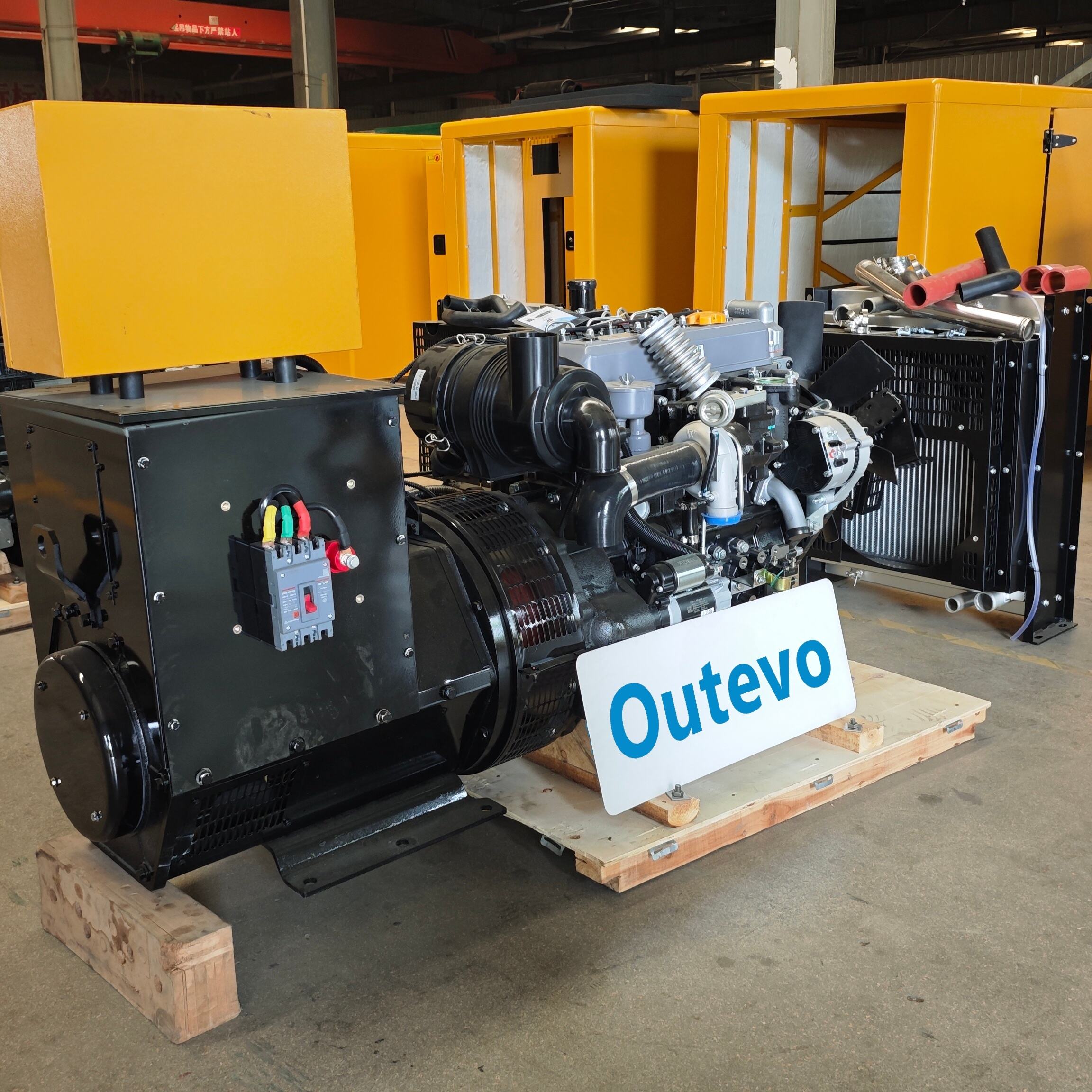
Mechanical components and vital fluids are what keep a diesel engine generator running smoothly once it’s started, and these pre-use checks cover the engine’s most important systems for every diesel engine generator model we produce. Start with the engine oil: check the level using the dipstick and inspect the oil’s color—clean oil is amber, while dark, gritty oil means it’s time for a change, and low oil pressure is a top cause of engine damage for a diesel engine generator. Next, check the coolant level and condition for the cooling system; low coolant leads to overheating, a common issue that can ruin a diesel engine generator’s engine in minutes. Inspect the fan belt for tension and fraying— a loose or damaged belt stops the cooling fan and water pump, and our diesel engine generator units have easy-access belt compartments for quick adjustments. We also recommend a quick visual check of the engine’s moving parts, like the pulley and starter motor, for signs of wear or damage. Our containerized diesel engine generator units, used for large-scale projects in Zambia and beyond, have all fluid check points marked clearly, making these pre-use checks efficient even for big industrial units. This 6-minute mechanical and fluid check for a diesel engine generator ensures the engine is lubricated, cooled and ready to run without strain.
Final safety and operational checks for a diesel engine generator
The last step of pre-use routine checks for a diesel engine generator is all about safety and operational readiness, and these checks ensure your diesel engine generator not only runs well but also keeps operators and the surrounding area safe. First, inspect the exhaust system for leaks or damage—diesel engine generator exhaust contains toxic fumes, so a leak can cause health risks, and our units have heavy-duty exhaust systems that meet CE and ISO safety standards. Next, check the emergency stop button to ensure it’s functional and easy to reach; this is a critical safety feature for any diesel engine generator, especially in busy workplaces like construction sites. Inspect the generator’s housing and base for stability— a wobbly diesel engine generator can cause vibration damage and safety hazards, and our mobile diesel engine generator units have sturdy frames for secure placement. Finally, clear the area around the diesel engine generator of debris, flammable materials and obstacles—proper ventilation and space are essential for safe operation of a diesel engine generator. We provide a pocket-sized pre-use check checklist for all our diesel engine generator clients, and it’s designed to be completed in under 20 minutes for any model. After these final checks, your diesel engine generator is not just ready to run, but ready to run safely and reliably—whether it’s for daily use on a construction site or emergency power during a crisis.