 EN
EN

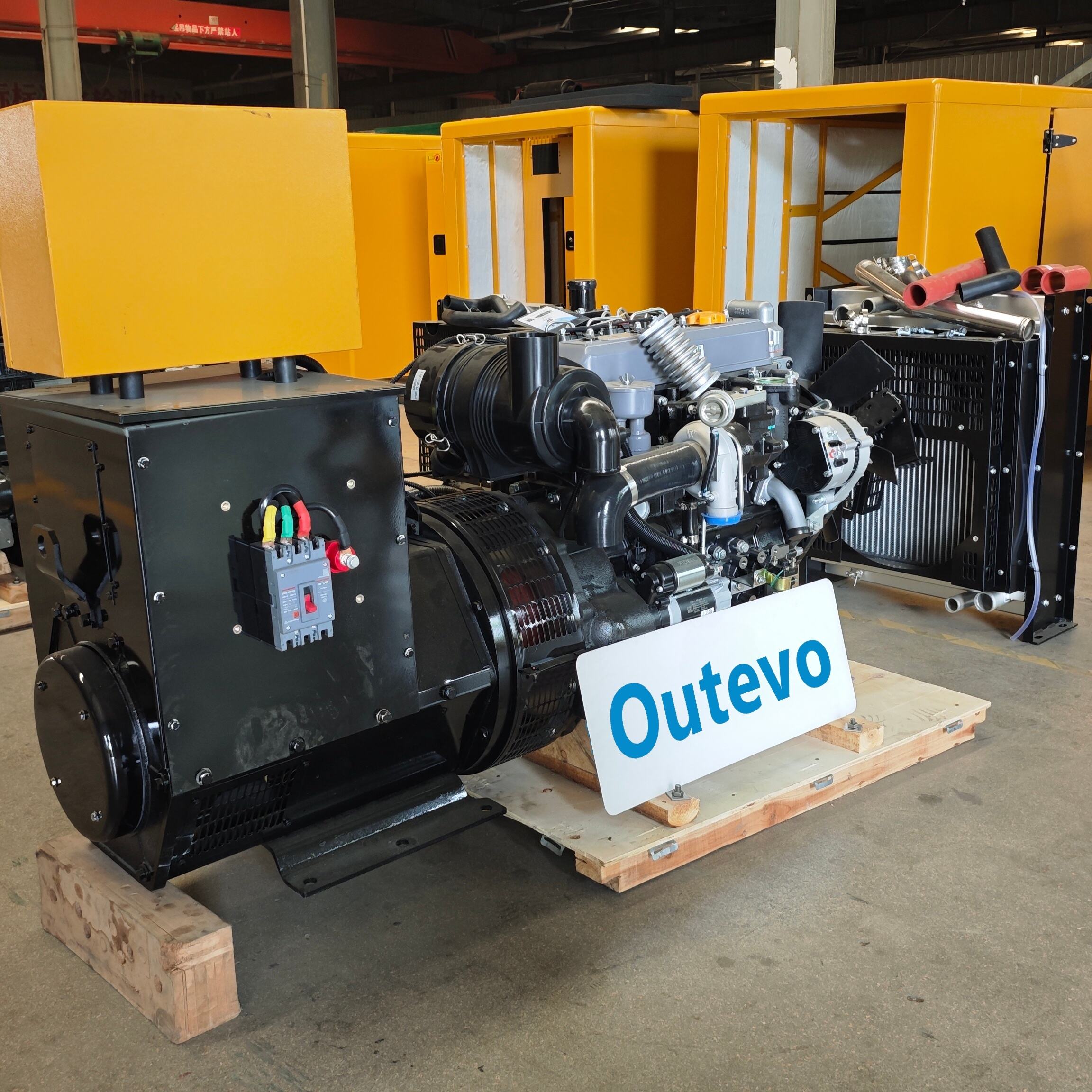
Why low-temperature starting is a challenge for a diesel engine generator
After 30 years of manufacturing and servicing diesel engine generator units for clients across 100+ countries, we’ve seen firsthand how low temperatures can cripple the performance of a diesel engine generator. Diesel fuel thickens in cold weather, reducing its flow through the fuel system, while the cold also robs the battery of its cranking power—two core issues that make starting a diesel engine generator a struggle in frigid conditions. The International Electrotechnical Commission (IEC) notes that diesel engine generator failure rates jump by 65% in temperatures below 0°C, a statistic that aligns with our field experience. Our full range of diesel engine generator models, from 20kW open frame units to 1000kW container systems, are built with cold-resistant design features, but even the most robust diesel engine generator needs proper preparation to start smoothly in the cold. We once supported a construction project in a northern European country where a team tried to start a standard diesel engine generator in -15°C weather without prep, leading to repeated failed starts and a 4-hour project delay. After applying our low-temperature starting protocol to their diesel engine generator, they never had another cold-start issue—proving that the right steps turn a major challenge into a simple task for any diesel engine generator.
Pre-start preparation steps for a diesel engine generator in low temperatures
Proper pre-start prep is the foundation of a smooth cold start for a diesel engine generator, and our technical team has refined a straightforward 4-step process for this after decades of working with diesel engine generator units in extreme cold. First, check and treat the diesel fuel: switch to winter-grade diesel fuel with a lower cloud point, and add a fuel anti-gel additive to prevent thickening—this is non-negotiable for any diesel engine generator in temperatures below 5°C. Second, inspect the battery and charging system: cold weather drains battery power fast, so we recommend testing the battery voltage (a healthy diesel engine generator battery reads 12.6V or higher for 12V systems) and cleaning corroded terminals to ensure a strong connection. Our diesel engine generator models come with heavy-duty batteries built for cold cranking, but regular checks still matter. Third, warm the engine compartment: use a block heater or a portable space heater to raise the engine temperature to at least 10°C—this thins the oil and makes cranking far easier for the diesel engine generator. Fourth, check the engine oil: switch to low-viscosity winter-grade oil, as thick oil in cold weather increases engine resistance and makes starting a diesel engine generator harder. For our 70kW and 150kW silent diesel engine generator units, we provide a custom pre-start checklist that aligns with CE and ISO standards, making it easy for operators to cover every critical step.
On-site operation tips for smooth starting a diesel engine generator in cold weather
Even with perfect pre-start prep, the on-site operation steps make all the difference when starting a diesel engine generator in low temperatures, and these are the tips we teach all our clients to avoid failed starts with their diesel engine generator. First, don’t crank the engine for too long: a 5-10 second crank is enough for a diesel engine generator, and cranking longer than that drains the battery and can damage the starter motor—if it fails to start, wait 30 seconds before trying again to let the battery recover. Second, use the glow plugs (if equipped): most modern diesel engine generator units have glow plugs that heat the combustion chamber, and you should wait the recommended 10-15 seconds for the glow plug light to go out before cranking—this simple step ensures the fuel ignites quickly in the cold. Third, ease into the throttle: don’t press the throttle hard when starting a diesel engine generator in the cold; a light touch is enough, as too much fuel can flood the engine and cause misfires. Fourth, let the engine idle after startup: once the diesel engine generator starts smoothly, let it idle for 5-10 minutes at low speed to warm up the oil and coolant before applying any load—this prevents wear on engine components, a key tip for protecting your diesel engine generator long-term. We used these exact tips with a mining client in Canada who operates our 100kW open frame diesel engine generator in -20°C temperatures, and they now achieve a 100% cold-start success rate every time.
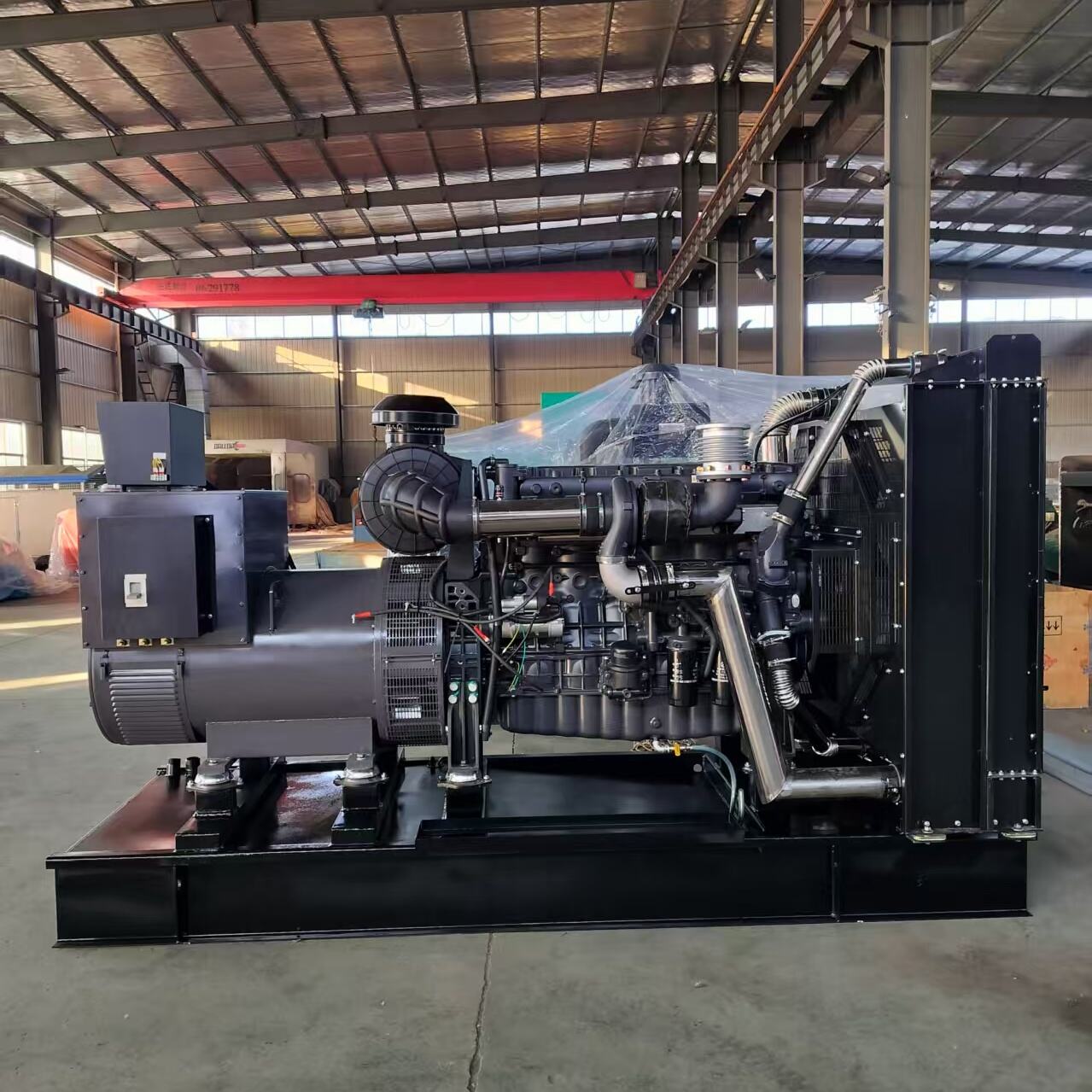
Key design features of our diesel engine generator for low-temperature performance
Our company has engineered every diesel engine generator model with low-temperature performance in mind, and these purpose-built design features make cold starts far easier, setting our diesel engine generator units apart from standard models on the market. First, all our diesel engine generator units feature a reinforced fuel system with insulated fuel lines and a fuel preheater, which prevents fuel gelling and ensures consistent fuel flow even in -25°C weather. Second, our diesel engine generator models come with high-output cold-cranking batteries and a heavy-duty charging system, delivering the extra power needed to crank the engine in the cold. Third, the open frame diesel engine generator units have 40% faster maintenance access, making it easy for operators to install block heaters or check the fuel and oil systems in cold weather—no extra tools or time needed. Fourth, our silent diesel engine generator units (70kW and 150kW) have a sealed and insulated engine compartment that traps heat, reducing the time needed to warm up the engine for a smooth start. All our diesel engine generator units are CE and ISO certified, and the cold-resistant design features are tested in extreme weather labs to ensure reliability—this is why our diesel engine generator units are trusted by construction, mining and medical clients in cold regions worldwide.
Long-term maintenance for a diesel engine generator to improve low-temperature starting
Smooth cold starts for a diesel engine generator aren’t just about pre-start prep and on-site operation—long-term regular maintenance is critical to keep the unit in top shape for low-temperature performance, and this is a core part of the service we provide for all our diesel engine generator clients. We recommend a quarterly maintenance check for any diesel engine generator operating in cold climates, with a focus on the fuel, battery and cooling systems—this catches small issues before they turn into cold-start failures. First, service the fuel filter regularly: a clogged fuel filter restricts fuel flow, making it even harder for a diesel engine generator to start in the cold, so we advise replacing the filter every 500 hours of operation for our diesel engine generator units. Second, test the battery’s cold-cranking amps (CCA) annually: replace the battery if the CCA drops below 80% of its rated capacity, as a weak battery is the number one cause of cold-start issues for a diesel engine generator. Third, flush and replace the coolant with a winter-grade mixture (50% coolant, 50% water) to prevent freezing, and check the coolant level monthly. Our after-sales team provides on-site maintenance for all our diesel engine generator units in 100+ countries, with a 1-hour technical response for any cold-start questions and parts delivered in 3-7 working days if replacement is needed. We also offer custom maintenance plans for our diesel engine generator clients based on their operating environment—for example, clients in the Arctic circle get a monthly maintenance check, while those in milder cold climates get a quarterly plan. This long-term care ensures that a diesel engine generator is always ready to start smoothly, no matter how low the temperature drops.