Four Power Ratings of Diesel Generator Sets
Introduction
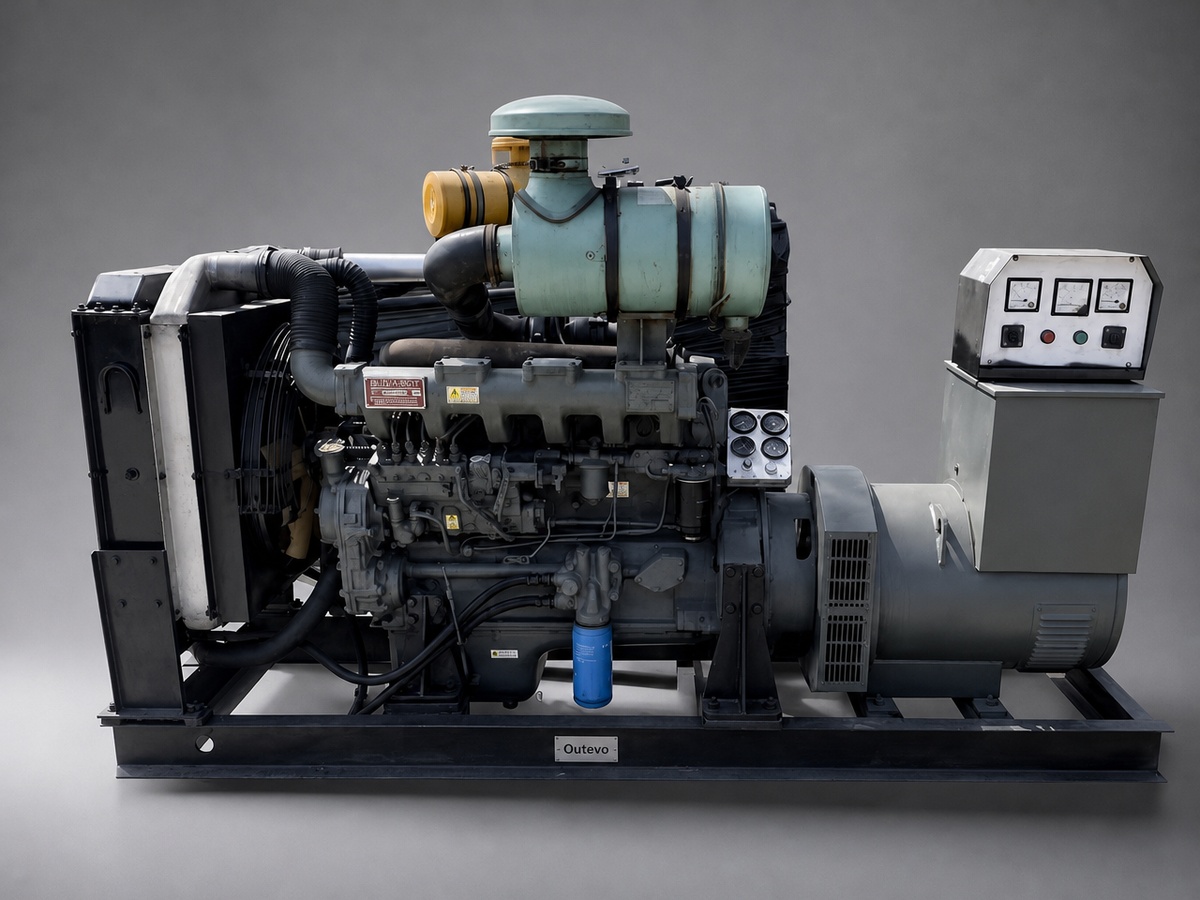
When selecting a diesel generator set, misunderstanding its power rating is one of the most common mistakes. There are four standard power definitions for gensets: COP, PRP, LTP and ESP. Each rating defines different working limits, load capacity and service conditions.
Definition of Four Power Ratings
- Continuous Operating Power (COP) COP applies to constant loads. The generator can run continuously at 100% load without time limit, and no overload is permitted. This is the lowest rating among the four types, generally 70%–80% of the Prime Power. It is designed for long-term steady power supply. Under agreed operating conditions and with maintenance carried out following the manufacturer’s recommended intervals and procedures, COP refers to the maximum power the genset can deliver continuously for constant loads with unlimited annual running time. No overload is allowed, and it can run steadily at full 100% load.
- Prime Power (PRP) PRP is for variable loads. It supports unlimited runtime at 100% load. Within every 24-hour cycle, 10% overload up to 110% power is allowed for 1 hour. PRP is the most widely adopted rated power index for diesel generator sets, and its value is higher than COP. Under agreed operating conditions and proper maintenance, PRP means the maximum power the genset can supply continuously for variable loads with no restriction on total annual runtime. Unless otherwise specified by the reciprocating internal combustion engine manufacturer, the average power output over a 24-hour cycle shall not exceed 70% of PRP.
- Limited Time Power (LTP) LTP is for limited-duration operation. The unit can operate at 100% load for a maximum of 500 hours per year, and no overload is allowed. For the same genset, LTP rating is equal to or slightly higher than PRP, but strictly restricted by annual running hours. Under agreed operating conditions and regular maintenance, LTP represents the maximum power the generator can provide, with full-load operation capped at 500 hours each year. Overload is forbidden, and the unit can work at 100% rated power during allowed running periods.
- Emergency Standby Power (ESP) ESP is only for emergency backup use. It can run at 100% load for maximum 200 hours per year, normally no more than 24 hours for each single run. ESP represents the maximum power the same generator can deliver, but it has the strictest usage limitation. This rating applies to power supply during public grid failure or test conditions. Under agreed operating conditions and required maintenance, the genset can supply variable loads at this maximum power with total annual full-load runtime limited to 200 hours. Short-time overload is permitted. Unless otherwise specified by the engine manufacturer, the average output power within a 24-hour cycle cannot exceed 70% of ESP.
Practical Case
Take a genset with Prime Power (PRP) 2000kW as an example: PRP: 2000kW, unlimited runtime, 10% overload up to 2200kW available for 1 hour per day COP: approx. 1600kW, unlimited continuous operation, overload forbidden LTP: approx. 2200kW, maximum 500 full-load hours per year, no overload ESP: approx. 2200kW, maximum 200 full-load hours per year, single continuous run ≤24h, no overload
It is similar to human physical activity: COP is like running a marathon with steady stamina; ESP is like sprinting for 100 meters with full burst power.
Key Selection Reminder
COP is the base power of a generator. The other higher power ratings are achieved by limiting running hours and average load, which will shorten equipment lifespan and reduce reliability.
For reference of a famous brand unit: ESP=2000kW, PRP=1820kW, COP=1600kW, with a capacity gap of 20%.
If you select a genset based on ESP rating but run it continuously at COP load level, the unit will face overload risk. This will reduce service life and may even cause serious failures such as cylinder burst.
Conclusion: Always choose diesel generator sets according to your actual load characteristics and annual operating hours.
Media Contact
Shanghai Outevo Machinery Co.,Ltd.
Web: www.outevo.com
Tel: +8613280091753
Anne
