How Often Should You Replace Fuel for Backup Diesel Generators?
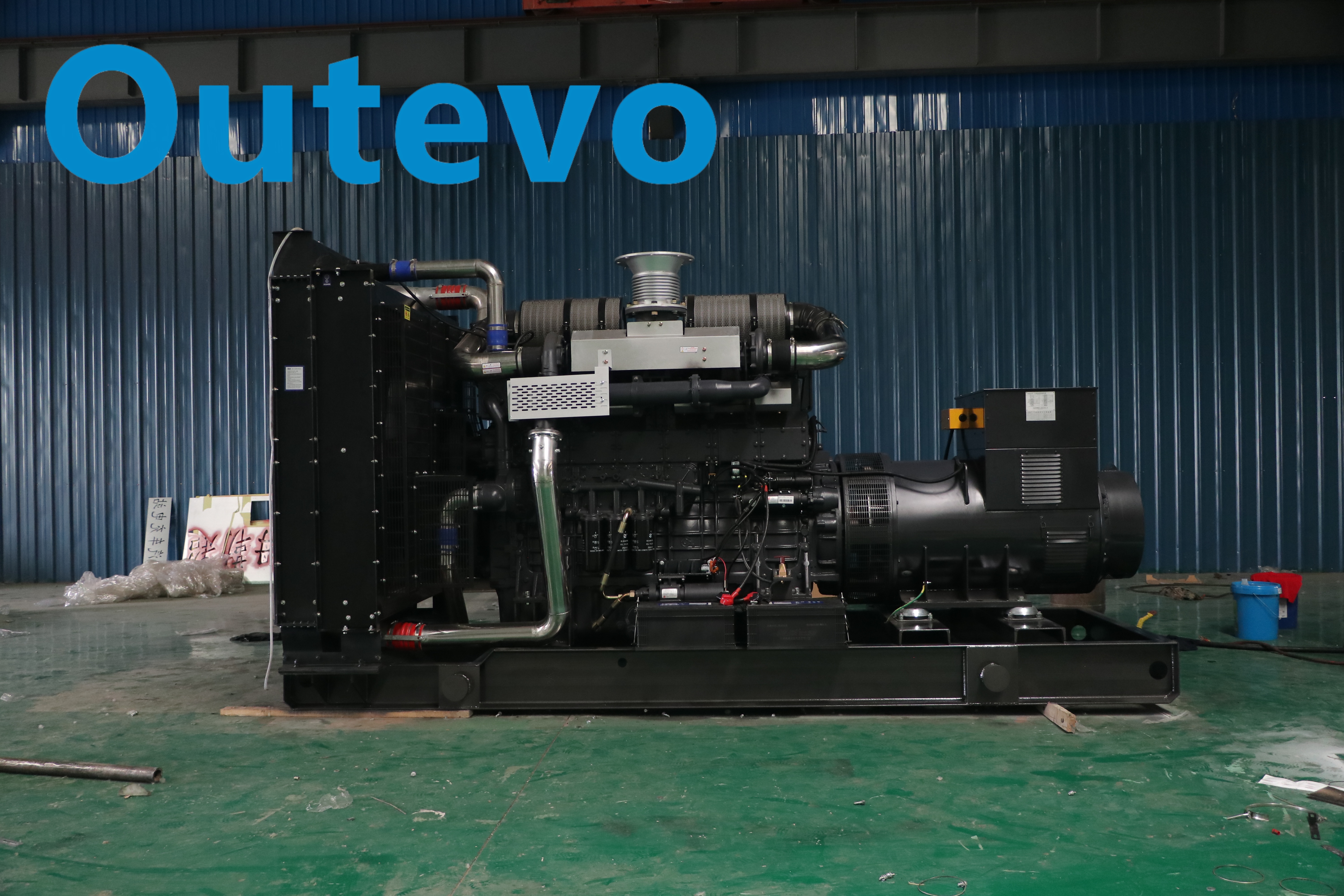
From degradation mechanism to global standards, best practices for fuel storage in telecom & data center operations
For telecom rooms, data centers, base stations and central office sites, backup diesel generators serve as the final safeguard for power continuity. However, one critical factor is often overlooked: diesel fuel stored in tanks degrades over time. This article explains fuel shelf life, degradation mechanisms, international standards, risks and practical management recommendations for global facility operators.
Key Takeaway: Does diesel fuel have an expiration date?
There is no universal hard expiration date for diesel fuel, yet prolonged storage inevitably causes fuel degradation. While no global regulation mandates a fixed replacement month count, equipment OEM guidelines and industry operational practices share widely accepted timelines, grouped into three tiers:
- Controlled storage with sampling testing and proper handling: maximum storage up to 3 months. For high-criticality sites, rotate fuel within this window.
- Generator day tank under normal storage conditions: rotate fuel within 6 months, most engine manufacturers recommend 6–12 months.
- Ideal storage conditions (sealed tank, temperature kept around 20°C, dry and dark environment): fuel can be stored 1–3 years with regular testing.
When stored over 1 year, diesel will darken and form gums. After 3 years, fuel will typically suffer severe degradation and is not recommended for direct use in emergency generators.
Why Does Diesel Degrade? Four Main Mechanisms
Fuel degradation is a gradual process driven by time and environmental conditions. Four primary causes are listed below:
- Oxidation reaction Unsaturated hydrocarbons (olefins, di-olefins) in diesel react with oxygen from air, producing gums, sediments and varnish. The fuel darkens and acidity rises. Oxidation stability is the core indicator for fuel quality; the longer fuel sits idle, the higher the insoluble sediment value. Once exceeding limits, fuel is deemed unqualified.
- Microbial growth Condensed water or absorbed moisture accumulates at the tank bottom. The interface between oil and water becomes a breeding ground for bacteria and fungi, forming dark grey sludge that clogs fuel filters and fuel pipelines. ASTM D6469 provides standard test and management methods for microbial contamination in diesel.
- Water contamination & emulsification Tank breathers draw in humid air, which condenses and collects water at the tank base. Emulsified water corrodes tank walls; in cold weather, water freezes and blocks fuel lines. Frequent air exchange in fuel storage rooms causes temperature fluctuations and increases condensation risk.
- Temperature acceleration High temperature greatly speeds up oxidation. In hot environments, fuel oxidation rate multiplies. Low temperature may cause wax precipitation and higher viscosity. A practical rule of thumb: every 10°C rise roughly doubles oxidation speed. Tanks kept full in hot environments require extra inspection.
International Standards & Operational Practices
When planning fuel replacement, evaluate storage reserve capacity, storage safety conditions, fuel quality metrics and maintenance procedures.
Fuel reserve capacity
Critical facilities including Tier data centers and telecom hubs require backup fuel storage to support full generator load for defined minimum runtimes. Large-scale data centers may store tons of diesel. Larger fuel volume brings higher risks of sediment accumulation, water buildup and fuel aging, requiring stricter fuel rotation and inspection plans.
Routine maintenance best practices
- Monthly no-load test run (15–30 minutes): circulate fuel inside the system, passively consume fuel from day tanks and replenish fresh fuel to avoid static sediment buildup.
- Quarterly tank inspection: inspect storage tanks, vent pipes and breathers for blockage. Clogged breathers worsen pressure fluctuation inside tanks and accelerate moisture ingress.
- Quarterly bottom draining: drain accumulated water and sediments from tank drain ports, directly mitigating water contamination, microbial growth and solid deposits.
- Semi-annual loaded test run (40 minutes): verify generator real load capability and check if fuel pipelines maintain stable flow under high fuel demand. Many global operators choose semi-annual loaded testing for higher reliability.
Important operational rules: never refuel manually while the generator is running. After startup, wait until oil pressure, temperature, voltage and frequency stabilize before applying load. When shutting down, remove load first and run at no load for 3–5 minutes before stopping. Refueling during operation may introduce impurities and air bubbles; immediate loading after startup can cause unstable fuel supply.
Safety requirements for fuel storage rooms
Fuel storage enclosures require fire separation, fire-rated doors, explosion-proof electrical fittings and proper ventilation. Ventilation brings temperature swings, increasing condensation risk, making quarterly draining essential.
Consequences of Neglected Fuel Maintenance: Emergency Power Failure Chain
Many facility managers assume stationary fuel inside tanks remains usable. Degraded diesel triggers a cascading failure sequence: Fuel degradation → gum / sludge formation → filter blockage → fuel injector sticking → failed startup or unexpected shutdown → backup power unavailable during mains failure → business outage.
Higher impact for telecom and data centers
Critical power architecture for data centers and telecom sites follows the sequence: Grid power → UPS / battery backup (typically 15+ minutes runtime) → diesel generator. International codes require emergency generators to start and stabilize power within 30 seconds after mains loss. The full switching sequence including alarm notification, ATS transfer and generator paralleling may take up to 5 minutes.
If degraded fuel prevents generator startup or stable loaded operation, UPS batteries will deplete after 15–30 minutes and break the entire power protection chain, leading to IT load shutdown, potential data loss and severe operational incidents. NFPA 110 identifies fuel degradation as one of the top causes of emergency power system failures.
Typical field failure cases
- Marine diesel engines: filter blocked by oily sludge from microbial growth and oxidation gums, insufficient fuel supply and abnormal exhaust temperature, resulting in engine shutdown.
- Data center generators: rarely run under full load; fuel stays static in day tanks without rotation. During load testing, clogged filters and stuck injectors cause unstable power output.
- Telecom sites: large temperature swings in fuel rooms and poorly maintained breathers lead to tank bottom water and microbial contamination, causing fuel line blockage and startup failure in emergencies.
- Precision component damage: water and fine particles entering high-pressure fuel systems wear injectors and high-pressure fuel pumps. Repair cost for fuel system precision parts is very high.
Maintenance Recommendations: Build a Systematic Fuel Management Program
Implement the following five measures for reliable backup fuel management:
- Maintain fuel inventory log and follow first-in, first-out principle Record batch receiving date, fuel source and test status for every fuel delivery. Use older fuel first through test runs or approved consumption. Rotate fuel stored in tanks over 6 months. Any fuel stored more than 12 months must be sampled and tested before use.
- Execute scheduled maintenance, test runs and draining
- Monthly: no-load test run (15–30 min), visual inspection for fuel tank and pipe leakage
- Quarterly: inspect breather / vent pipe blockage, drain water and sediment from tank bottom
- Semi-annually: loaded test run for 40 minutes to validate high-flow fuel delivery
- Replace fuel filters following OEM service manuals; filters are the final barrier to trap degradation byproducts.
- Control moisture and fuel additives Keep tanks well sealed and inspect breathers regularly to reduce moisture intake from air exchange. Even with proper ventilation, temperature variation causes condensation, so quarterly draining cannot be skipped. Antioxidants, biocides or demulsifiers can be added if needed, only following engine OEM recommendations and fuel lab test reports; avoid blind additive dosing.
- Periodic fuel sampling and lab testing For fuel stored beyond 6–12 months, collect samples for laboratory analysis. Core test items include oxidation stability, total insoluble sediments, acidity, water content, kinematic viscosity and carbon residue. Fuel failing lab tests must not be directly used for emergency generators. It can be treated by filtration, downgraded for non-critical equipment or fully replaced, with all actions documented.
- Consider equipment service life alongside fuel management Stationary diesel generators have a typical service life of 15 years or up to the overhaul runtime limit. Generator starting batteries usually last around 3 years. Aging equipment with degraded fuel sealing and reduced filtration efficiency is more sensitive to poor fuel quality. Increase fuel testing frequency for generators approaching end of service life.
Summary
There is no worldwide mandatory rule requiring fuel replacement after a fixed number of months. Industry best practice recommends rotating tank fuel within 6 months; high-criticality facilities rotate fuel within 3 months. Any fuel stored beyond these timelines needs laboratory testing before use.
Instead of only focusing on storage time, build an integrated management workflow: inventory logging, fuel rotation, regular test runs, quarterly tank draining and periodic fuel testing. The purpose of backup power is to guarantee availability at any moment — and the fuel must be ready as well.
Media Contact
Shanghai Outevo Machinery Co.,Ltd.
Web: www.outevo.com
Tel: +8613280091753
Anne
