Practical Guide: Fueling, Refueling, Runtime Management and Maintenance for Container Diesel Generators in Spain
Time : 2026-10-22
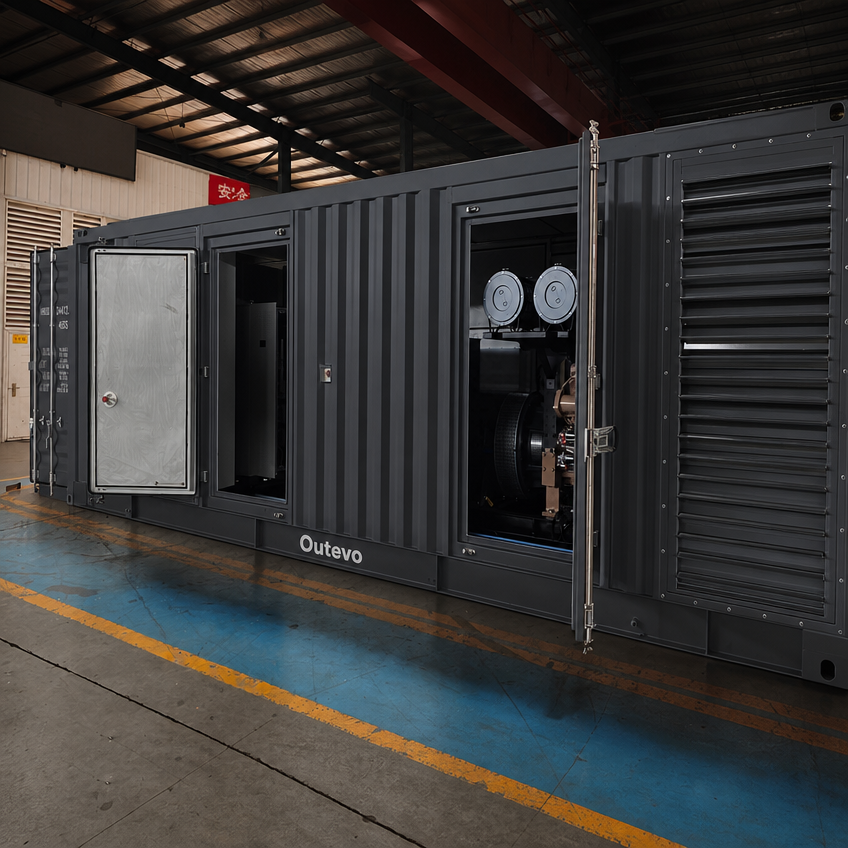
Container diesel generators are widely used in Spain for construction sites, industrial plants, data centers, hospitals, telecom stations, rental power projects and emergency backup. The key to reliable operation is simple: keep the fuel clean, manage runtime properly, and follow a regular maintenance routine.
1. Refueling and Fuel Top-up
- Always refuel when the generator is stopped and cooled down. Never add fuel while the unit is running or still hot.
- Use clean diesel that meets local requirements. Confirm fuel specifications with your supplier before delivery.
- Use a clean funnel or dedicated refueling equipment. Keep the fuel filter in place to prevent dust and water from entering the tank.
- Do not overfill the tank. Leave space for fuel expansion and close the fuel cap tightly after refueling.
- Wipe away any spilled fuel immediately. Keep the refueling area free from open flames, sparks and smoking.
- Keep the fuel tank at least one-third full during operation. This helps avoid drawing sediment or water from the bottom of the tank.
- Store fuel in clean, sealed containers. Avoid using diesel that has been stored for a long time without treatment.
2. Fuel and Runtime Management
- Container generators can be equipped with a daily tank, base tank or external fuel tank. Runtime depends on tank capacity, load level and fuel consumption.
- For unattended operation, install a low fuel level alarm, automatic refueling system or remote fuel monitoring.
- Drain the water separator regularly and replace fuel filters according to operating hours or pressure difference.
- If the generator is used mainly for standby power, consider adding a fuel stabilizer to prevent oxidation and contamination.
- Check the fuel tank every month if the unit is kept for emergency use. Clean sediment and water at least twice a year.
- Record fuel consumption during regular load tests. This helps plan refueling schedules and detect abnormal consumption early.
3. Routine Maintenance
- Before each start, check engine oil, coolant, fuel level, battery voltage and any signs of oil, water or air leaks.
- Change engine oil, oil filter and fuel filter at the intervals recommended by the engine manufacturer. A common reference is every 250–300 operating hours, but always follow the official manual.
- Inspect and clean the air filter more frequently in dusty environments such as construction sites, mines or ports.
- Keep the radiator and air intake louvers clean. Check coolant level and concentration regularly.
- Run the generator under proper load from time to time. Long-term no-load or very light-load operation may cause carbon buildup and reduced performance.
- After maintenance, return the control panel to automatic mode so the generator can start normally during a power failure.
- Keep a maintenance log with running hours, service dates, replaced parts and any faults found.
4. Notes for Use in Spain
- In inland and high-altitude areas of Spain, nighttime temperatures can drop in winter. Consider a fuel heater, coolant preheater or cold-start aid if required.
- In coastal areas, salt air and humidity may affect metal parts. Anti-corrosion coating, galvanized fittings or salt-spray protection are recommended.
- During hot summers, check the cooling system, fan operation and ventilation openings more often to prevent overheating.
- Dispose of used oil, filters and fuel residues according to local environmental regulations. A leak-proof base tray or oil collection system is recommended.
- Always follow the engine manufacturer’s maintenance manual and the actual site conditions. Do not treat general maintenance intervals as fixed guarantees.
