Practical Guide to Container Gensets in Europe: Refuelling, Tank Care
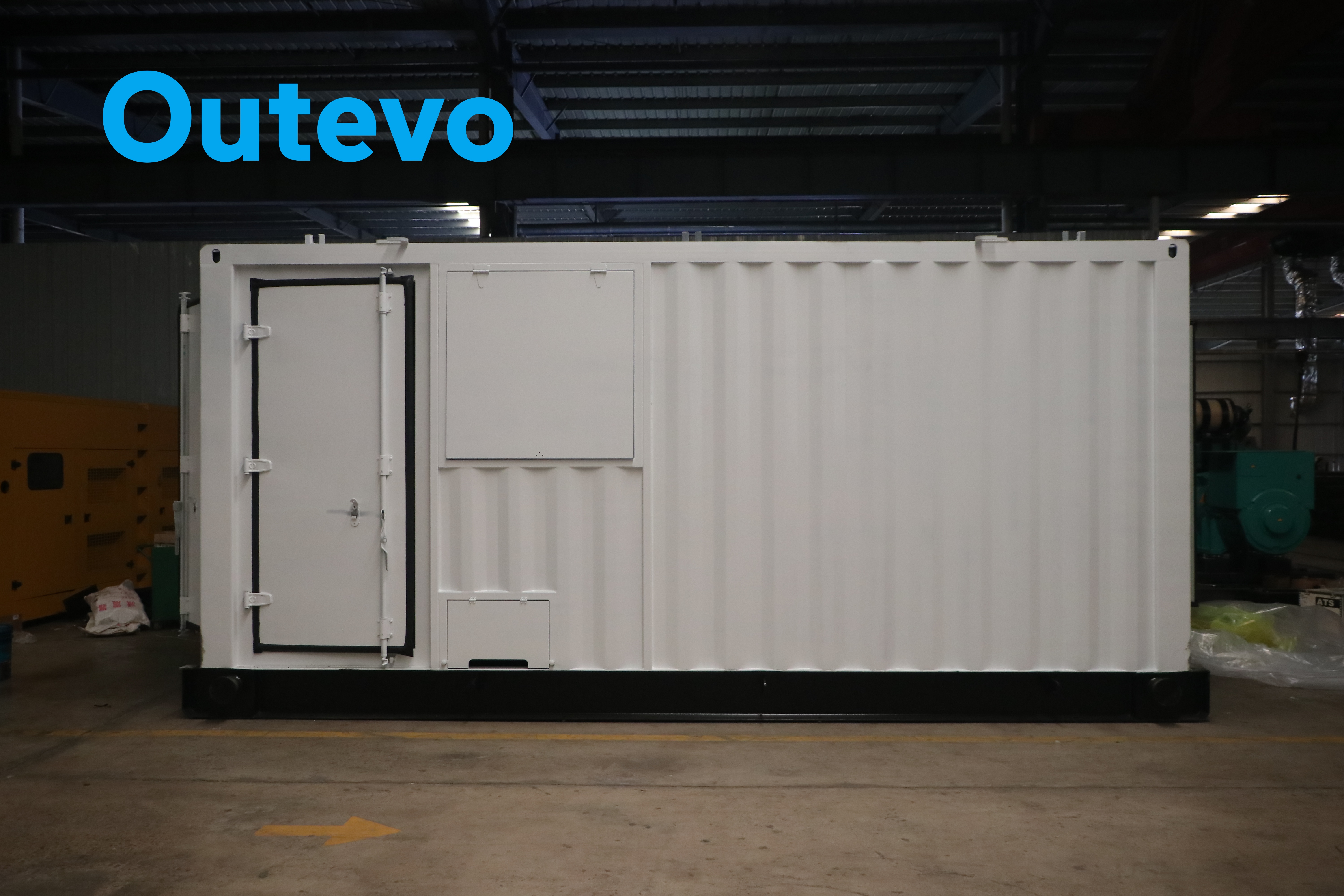
Container generator sets are widely used across Europe for construction sites, ports, cold-chain logistics, data centres, remote camps and emergency power supply. Because they are mobile, self-contained and relatively quick to deploy, they fit well with projects that need reliable power without heavy civil works. The following guide covers refuelling practice, fuel tank maintenance and a straightforward selection checklist for European buyers.
Safe Refuelling Practice
Refuelling is one of the most routine tasks, but it is also where small mistakes can cause expensive problems.
- Always shut down the unit before refuelling. Never add diesel while the generator is running or still hot.
- Refuel in a well-ventilated area and keep sparks, cigarettes and open flames away.
- Use clean diesel from a proper fuel source. Avoid plastic jerry cans that are not designed for long-term diesel storage.
- Do not fill the tank to the brim. Leave space for fuel expansion, especially in warm weather. A practical target is around 85–95 per cent of rated capacity.
- Keep the fuel filter or strainer in place while filling to prevent debris from entering the tank.
- Wipe up any spilled fuel immediately. Diesel on hot surfaces or exhaust components creates a fire risk.
- Close the fuel cap tightly and check that the filler area is clean before restarting.
- If the unit has a base tank and an external day tank, follow the manufacturer’s sequence for transfer pumps, valves and level alarms.
For containerised sets, refuelling points are usually located on the side of the container or near the control panel. Operators should be trained to identify the fuel inlet, vent, level gauge and emergency shut-off before first use.
Fuel Tank Maintenance and Care
The fuel tank is not just a storage box. It affects starting reliability, engine life and emissions performance.
Daily and Weekly Checks
- Inspect the tank, pipes and connections for leaks.
- Check the fuel level and make sure the day tank is not running low.
- Look for water, sediment or sludge in transparent filters or water separators.
- Confirm that the breather valve and tank cap are intact.
Monthly and Seasonal Maintenance
- Drain water and sediment from the tank sump or drain valve.
- Clean or replace fuel filters according to the service schedule.
- Inspect tank mounts, anti-vibration pads and pipe supports.
- Check that spill containment trays and leak alarms are working.
- In cold European winters, use winter-grade diesel and consider tank heaters or fuel warmers if specified.
Long-term Storage
If the container genset will be idle for several weeks or months:
- Keep the tank reasonably full to reduce condensation.
- Add fuel stabiliser if recommended by the engine maker.
- Run the unit periodically under load, if allowed.
- Drain water from separators and inspect seals before returning to service.
For European sites, tanks should also meet local environmental and fire-safety expectations. Secondary containment, spill kits and clear labelling are often required on industrial and port sites.
