Ignition Methods of Generator Sets
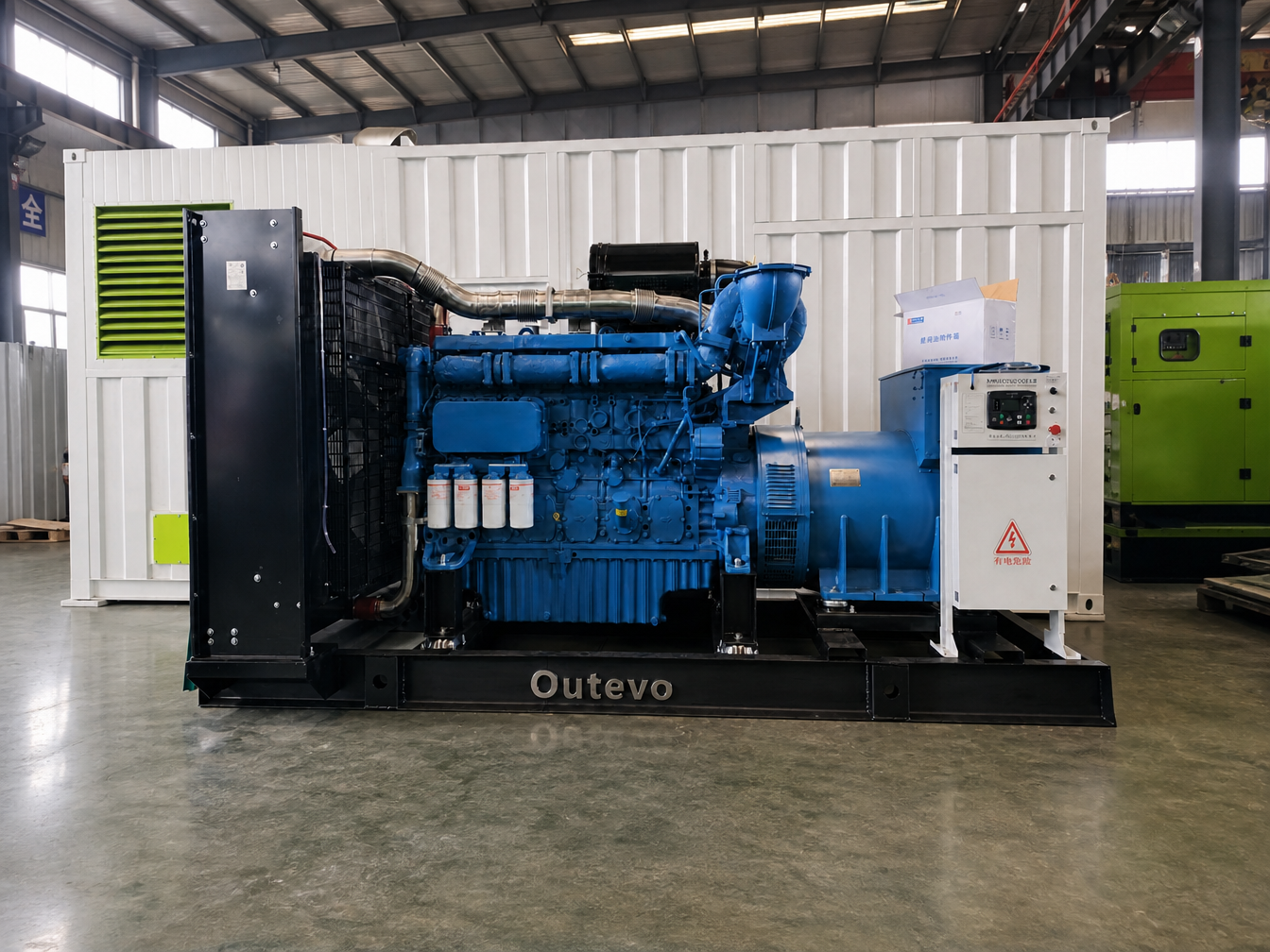
The ignition method of a generator set is mainly determined by its fuel type and engine design. Different ignition methods have obvious differences in principle, characteristics and applications. The following is a detailed comparison of several main ignition methods:
1. Compression Ignition (Diesel Generator Sets)
Definition: Compression ignition is the ignition method used by diesel engines. It relies on high temperature and high pressure generated during the compression stroke to make diesel fuel auto-ignite.
Working Principle: During the compression stroke of the diesel engine, the piston moves upward and compresses the air inside the cylinder to raise its temperature and pressure. When the temperature and pressure reach the auto-ignition point of diesel, the diesel will spontaneously ignite and burn the mixture.
Fuel Characteristics: Diesel has a relatively low auto-ignition temperature (about 220℃), high viscosity and poor volatility. These properties allow diesel to auto-ignite under high temperature and high pressure conditions.
Engine Structure: Diesel engines generally have no spark plugs. They rely on high temperature and pressure in the compression stroke for fuel auto-ignition. Therefore, diesel engines usually have a higher compression ratio than gasoline engines.
Applications & Advantages: Diesel generator sets deliver high fuel efficiency and thermal efficiency with relatively low emissions (especially NOx and particulate matter). In addition, diesel engines feature simple structure and easy maintenance, which are ideal for high-power power supply scenarios.
2. Spark Ignition (Gasoline Generator Sets & Some Gas Generator Sets)
Definition: Spark ignition uses electric sparks generated by spark plugs to ignite the air-fuel mixture.
Working Principle: At the end of the compression stroke of the gasoline engine, the spark plug generates electric sparks under high voltage to ignite the air-fuel mixture inside the cylinder. This ignition mode requires supporting components such as ignition coils and spark plugs.
Fuel Characteristics: Gasoline has a high auto-ignition temperature (around 480℃), low viscosity and good volatility. For this reason, gasoline needs to be well mixed with air outside or inside the cylinder before being ignited by spark plugs.
Engine Structure: Gasoline engines are equipped with an ignition system including ignition coils and spark plugs. These components supply high-voltage electricity during engine operation for spark generation to ignite the mixture.
Applications & Advantages: Gasoline generator sets run smoothly with low noise and vibration. Meanwhile, the ignition system of gasoline engines is relatively simple and maintenance cost is low. However, their power range is generally smaller than that of diesel generator sets.
3. Gas Ignition (Some Gas Generator Sets)
Definition: Gas ignition is adopted by gas generator sets. Combustion of pilot gas creates ignition source to ignite the main fuel gas.
Working Principle: The pilot gas forms an ignition source to ignite the premixed gas and air mixture inside the cylinder after compression.
Fuel Characteristics: Gas generator sets normally use clean and low-cost gaseous fuels such as natural gas with wide supply sources and environmental-friendly performance.
Applications & Advantages: Gas generator sets provide stable power quality, good starting performance, low noise and low vibration during operation.
Media Contact
Shanghai Outevo Machinery Co.,Ltd.
Web: www.outevo.com
Tel: +8613280091753
Anne
