
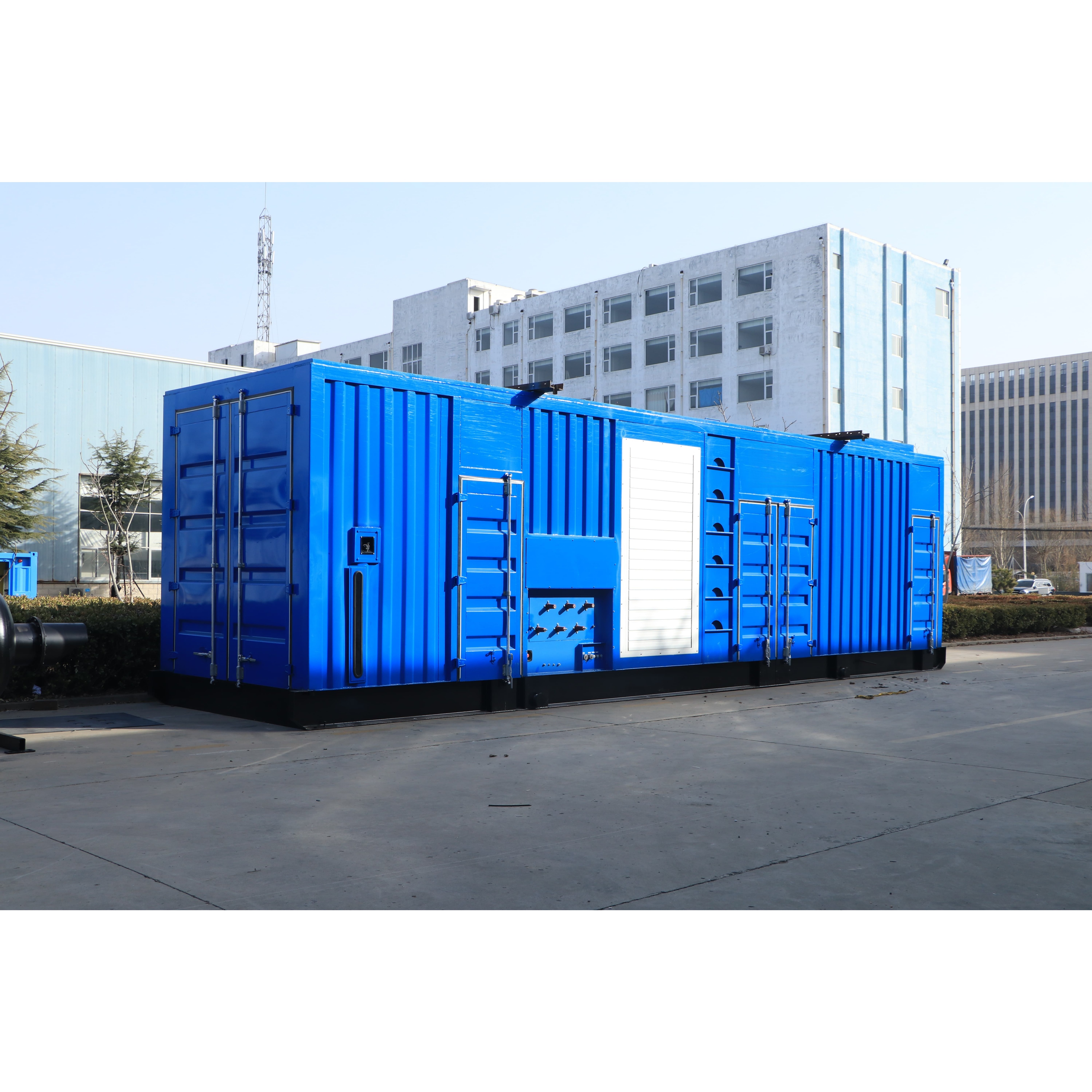
When planning to install extra gear inside a container, take time to really look at how much space there actually is and what the structure can handle. Check those clearances around fuel tanks, control panels, and where the exhaust runs through. Keep at least 3 feet between these components and walls so technicians can safely get in there for maintenance work, as recommended across most industries. Look at the container's blueprints to find out where the strongest parts are located. Mounting auxiliary units right above the steel cross members helps avoid problems with floor sagging down the road. Any added equipment weighing more than half a ton usually needs extra support structures to keep everything stable when things shake or vibrate. And don't forget to double check local building codes regarding earthquakes and high winds either. Failing to meet these requirements could lead to major headaches if Mother Nature decides to throw something serious our way.
When working with compact enclosures, thermal management becomes a real headache along with those pesky vibration and noise issues. The exhaust temps can get really hot sometimes, pushing past 500 degrees Fahrenheit. That means any extra equipment needs to handle these sudden heat waves or else we need to install those ceramic thermal barriers between components. To tackle vibrations, mounting hardware should be able to absorb at least half a gravity point of acceleration force. This helps prevent those annoying resonances that weaken welds over time and mess with electrical connections. For keeping things quiet inside the enclosure, combining mass loaded vinyl lining works wonders. We've seen this cut down sound transmission by about 25 decibels when paired properly with acoustic baffles placed strategically around air intake points. And don't forget where to put all the supporting gear either. Keep it clear of exhaust pathways so high frequency noises don't get amplified unnecessarily, but still make sure there's enough space according to NEC requirements for safety around hot spots.
Before picking any auxiliary system, there are several key factors worth checking first. Voltage is probably the most basic thing to get right. Make sure whatever unit we're looking at works with what the generator actually puts out whether it's 120 volts, 240 volts, or even 480 volts. Then there's the matter of how long these things need to run. If something needs to work nonstop day after day, then components have to be built for that kind of constant operation without overheating issues. For environments where dust gets everywhere or salt air eats away at equipment, look for those IP55 ratings or better. Also worth mentioning is the need for mounts that can handle vibrations as standard practice. When space is tight, noise levels become important too. Units shouldn't exceed 40 decibels and they definitely shouldn't let temperatures climb past 120 degrees Fahrenheit (about 49 Celsius), since extra heat buildup can cause all sorts of problems down the line.
Four widely deployed systems significantly extend functionality:
Before starting any mounting work, there are three essential checks that just can't be skipped. First things first, check the grounding resistance using a milliohm meter. The readings need to stay under 0.1 ohms according to NFPA 70E from 2023 standards, otherwise we're looking at serious electrical risks down the line. Next up, make sure there's enough room around the equipment. We need at least 36 inches on each side and no less than 60 inches above it as OSHA regulation 1910.303(g) specifies. Finally, double check everything against what the manufacturer says about their particular container generator set specs. This includes dimensions, weight limits, and those little notes about how components should fit together. Why does this matter? Because subsystems such as cooling systems or fuel lines often have strict limits usually around 10% of the whole unit's weight when adding extra hardware. Getting this right means avoiding potential failures later on.
When installing auxiliary components, it's important to mount them on vibration isolating supports that can handle at least 5G of shock absorption. These supports help the system withstand those annoying operational vibrations we all deal with. For power cables, run them through UL listed corrugated conduits. Keep a good distance between different types of wiring too. The rule of thumb is to maintain around 12 inches of vertical space between high voltage lines over 50 volts and the lower voltage control wiring. Speaking of sensors and panels, shielded twisted pair cabling works best here. According to IEEE standards from 2021, this type of cabling cuts down electromagnetic interference by roughly 80 percent compared to regular conductors. And don't forget about sealing everything up properly. All connections should end with IP67 rated sealed connectors so dust and moisture stay out during the entire lifespan of the equipment enclosure.
Getting systems ready for operation after installation requires thorough post-install validation. The process should include staged load testing at different capacity levels - starting from 25% all the way up to full 100% operation. This helps check if voltage stays stable, frequency remains consistent within about half a hertz variation, and harmonic distortions don't exceed what IEEE 519 standards allow. According to field reports from various industries, proper validation actually stops around one third of problems caused by missed integration details during setup. Safety checks need equal attention too. Fluid lines must be pressure tested well beyond normal operating levels, ideally reaching 150% of what they typically handle. Thermal scans should show connections staying below 90 degrees Celsius, and vibrations shouldn't go past 7.1 millimeters per second as measured against ISO 10816-3 guidelines. All these tests require careful documentation including when they were done, environmental factors at the time, and who performed them so there's a clear paper trail for compliance purposes and baseline performance metrics. Finally, running actual emergency shutdown procedures and verifying arc flash boundaries ensures everyone knows exactly what to do in case something goes wrong, making sure safety protocols aren't just written down but actually work when needed most.
 EN
EN