Diesel Engine Overheating: Hazards, Taboos, Emergency Handling and Prevention
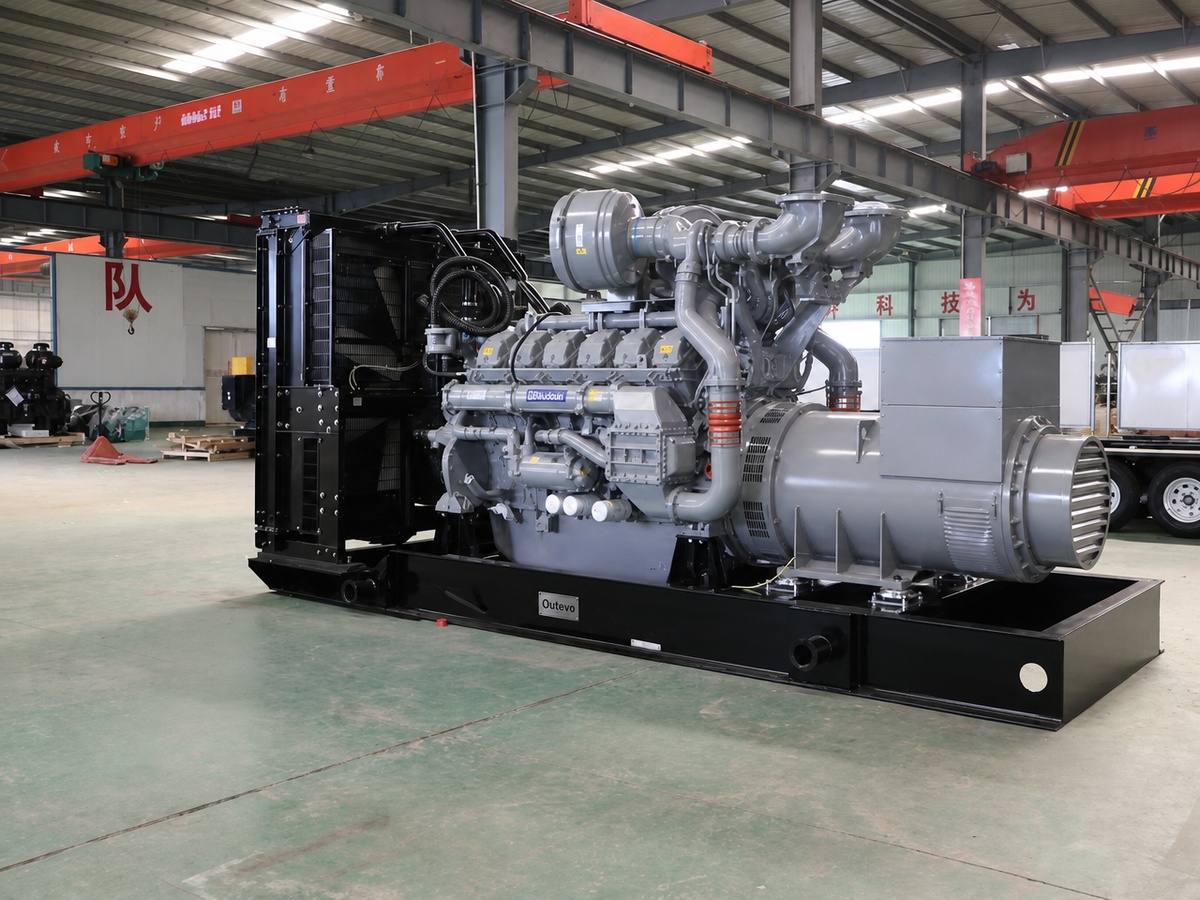 1. What is Diesel Engine Overheating?
During diesel engine operation, if water, steam or bubbles surge out from the filler opening of the water tank, the engine is experiencingoverheating (boiling). This phenomenon is directly caused by the excessive temperature of the engine coolant.
2. Strict Forbidden Operations During Overheating
Improper operation during engine overheating will cause severe secondary damage. The three key taboos are as follows:
① Do not shut down the engine immediately An immediate shutdown stops coolant circulation completely. Heat will accumulate rapidly in the cylinder block, easily causing cylinder scuffing, cylinder head deformation and other irreversible failures.
② Do not open the water tank cap forcibly High-temperature and high-pressure coolant and steam may spray out suddenly, leading to severe scald injuries.
③ Do not pour cold water on the cylinder block or cylinder head Rapid cooling will cause sharp thermal contraction of the engine body, resulting in cracking of the Perkins diesel generator set cylinder block.
3. Core Principle of Emergency Treatment
Follow the exclusive emergency principle strictly: Reduce load, Maintain circulation, Cool down gradually, Prevent scalds.
4. Standard Emergency Handling Procedures
Step 1: Unload the generator Remove all operating loads to reduce fuel injection volume, which quickly lowers the combustion temperature inside the cylinders.
Step 2: Idle the engine Keep the diesel generator running at no-load idle speed for 5 to 10 minutes to sustain coolant circulation and dissipate internal heat stably.
Step 3: Monitor water temperature Observe the reading of the water temperature gauge in real time to track the temperature change trend.
Step 4: Improve ventilation conditions Open all doors and windows of the equipment room or turn on exhaust fans to reduce the ambient temperature and accelerate heat dissipation.
Step 5: Shut down the engine after preliminary cooling Turn off the engine only when the water temperature drops to 70℃–80℃ or below.
Step 6: Safely open the water tank cap After the temperature drops below 50℃ (the upper radiator hose is not hot to the touch), cover the water tank cap completely with thick cotton cloth or gloves. Loosen the cap by half a turn slowly to release internal steam and pressure. Fully open the cap only after confirming no residual pressure.
Step 7: Replenish coolant Add qualified coolant to the water tank after the engine is completely cooled down.
Step 8: Resume operation conditionally The generator can only operate with loads after the overheating fault is completely eliminated. Load operation is prohibited if the fault remains unresolved.
Special Reminder: If overheating is accompanied by low oil pressure or abnormal engine noise, shut down the engine immediately to avoid cylinder scuffing and shaft seizure failures.
5. Common Causes of Engine Overheating
① Insufficient coolant: Coolant leakage from the water tank or pipelines, and failure to replenish coolant regularly.
② Radiator blockage: External fins blocked by catkins, dust and sundries; internal scaling and pipeline blockage.
③ Cooling fan failure: Slippage or fracture of the fan belt leading to insufficient heat dissipation.
④ Thermostat malfunction: The thermostat fails to open, causing the coolant to operate only in small circulation and unable to dissipate heat normally.
⑤ Water pump failure: Wear of the water pump impeller reduces coolant circulation flow and weakens heat dissipation efficiency.
⑥ Adverse environmental conditions: Excessively high ambient temperature, poor ventilation and unsmooth air intake and exhaust in the equipment room.
6. Daily Prevention Measures
① Regular inspection: Daily check of coolant liquid level, fan belt tightness and radiator cleanliness.
② Periodic coolant replacement: Replace coolant regularly to prevent internal scaling and corrosion of the cooling system.
③ Ensure effective alarm devices: Keep the high-temperature alarm system intact and functional to realize early warning of overheating risks.
④ Optimize room ventilation: Guarantee smooth air intake and exhaust of the equipment room, and do not block the radiator and heat dissipation channels.
