Principle and Component Functions of Fuel, Lubrication and Cooling Systems of Diesel Generator
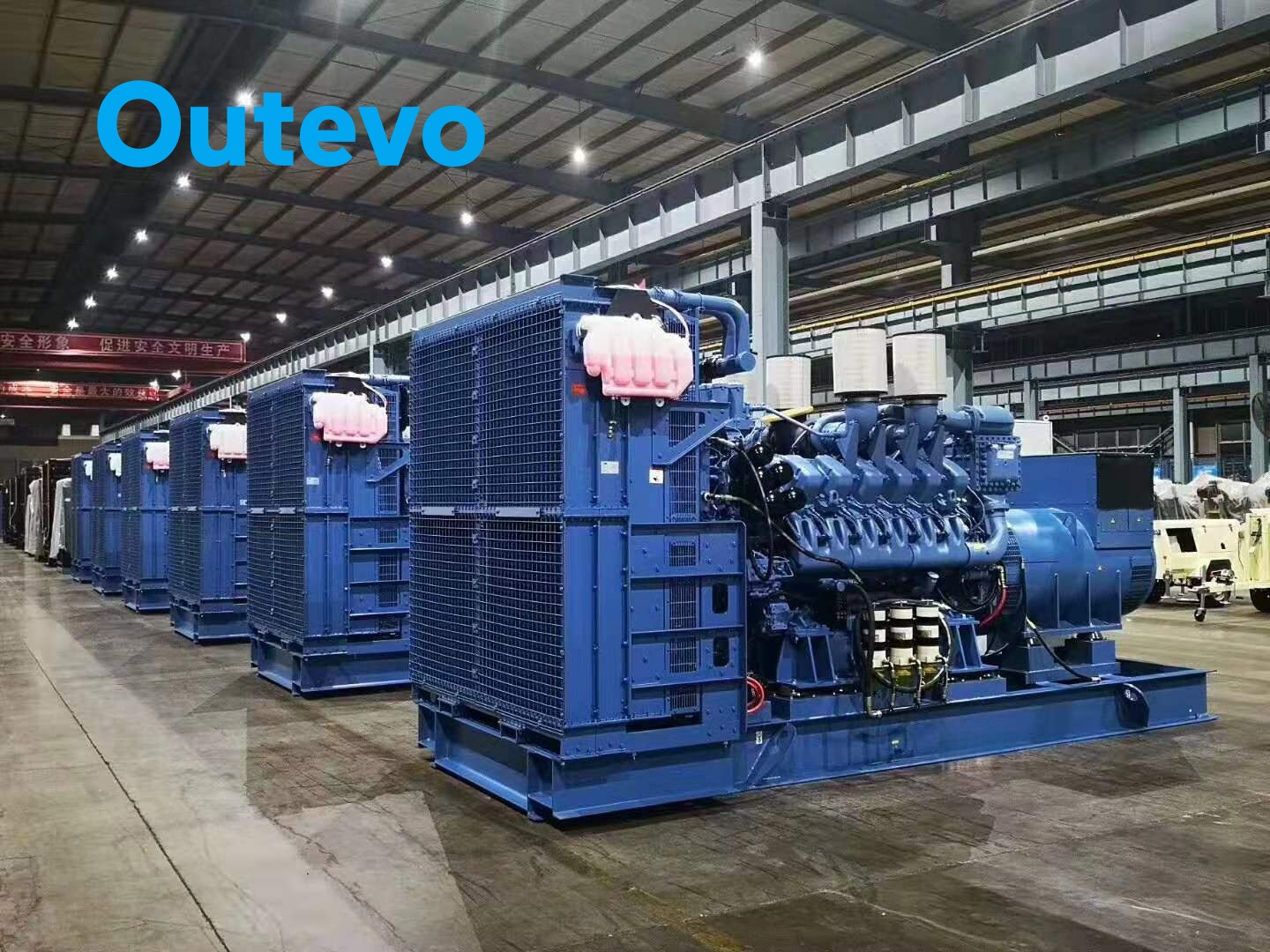
I. Fuel System of Diesel Generator
The diesel engine fuel system consists of a diesel tank, fuel transfer pump, diesel filter, fuel injection pump, fuel injector, air filter, muffler and other components. The mixing of fuel and air takes place inside the cylinder.
1. Diesel Fuel Transfer Pump
1.1 Function: Extract fuel from the fuel tank and supply it to the high-pressure fuel pump after filtration by the filter. 1.2 Driving Mode: Driven by the camshaft of the running diesel engine. The fuel transfer pump is a passive mechanical component and works only when the diesel engine rotates.
2. High-pressure Fuel Pump
2.1 Function: Also known as injection pump. It raises fuel pressure and injects fuel into the combustion chamber. 2.2 Driving Mode: The injection pump is not electrically driven; it is mechanically driven by the engine crankshaft.
3. Diesel Filter
Coarse diesel filter and fine diesel filter are usually connected in series. The coarse filter is installed before the low-pressure fuel pump; the fine filter is installed after the low-pressure pump and before the high-pressure pump. Water-oil separation is one of the key technologies for diesel filtration.
4. Air Filter
The diesel engine air filter filters dust, sand grains and suspended particles in air to ensure clean air entering the cylinder.
II. Lubrication System of Diesel Generator
The lubrication system is composed of an oil pump, oil sump, filter, cooling device, heating device, sealing device, buffer device, safety device, alarm and other parts. Main functions: ① Lubrication ② Cleaning and heat dissipation (Circulating engine oil cleans friction surfaces and carries away heat continuously) ③ Vibration damping and buffering (An oil film forms on component surfaces to absorb impact and reduce vibration)
1. Oil Pump
1.1 Function: When the diesel engine runs, the oil pump draws engine oil and pressurizes it into the circulation system. 1.2 Driving Mode: Mounted at the bottom of the diesel generator oil sump and driven by the crankshaft.
2. Oil Temperature Sensor
2.1 Mounting Position: Installed on the engine oil passage or oil sump. 2.2 Function: Real-time monitoring of lubricating oil temperature and transmitting signals to the control system. When oil temperature is abnormal, the system automatically reduces engine output power to prevent lubrication failure caused by decreased oil viscosity under high temperature.
3. Oil Pressure Sensor
3.1 Mounting Position: Usually installed on the main oil passage of the engine. 3.2 Function: Monitor engine oil pressure. When oil pressure exceeds or falls below the normal range, an alarm will be triggered first; the generator will shut down automatically under severe conditions.
4. Oil Filter
Engine oil flows out of the oil pump and enters the oil filter. The oil filter removes impurities and dirt in the oil, and filtered oil returns to the engine.
III. Water Cooling System of Diesel Generator
The closed circulating water cooling system mainly includes a water pump, fan, radiator, instrument, thermostat, cylinder head outlet pipe, and water jackets formed inside the cylinder head and cylinder block.
1. Cooling Water Pump
1.1 Function: Push coolant to circulate between engine water passages and radiator, delivering heated coolant back to the radiator for cooling to complete circulation. 1.2 Driving Mode: The engine drives the pump shaft and impeller to rotate. The rotating impeller generates centrifugal force to suck coolant from the inlet and discharge it from the outlet.
2. Coolant Circulation Routes
2.1 At generator start-up: The main valve of the thermostat is closed. Coolant flows back to the water pump directly through the bypass pipe without passing the radiator. Under about 80℃, coolant runs in the small circulation to quickly warm the engine up to normal operating temperature.
2.2 When operating temperature rises (above about 80℃): The main thermostat valve opens. The water pump forces coolant into the cylinder block water jacket. After absorbing heat, coolant flows toward the thermostat and enters the radiator for heat dissipation, then returns to the water pump via the radiator outlet hose. This is the large circulation.
2.3 Switching between large and small coolant circulation is automatically controlled by the thermostat, generally fitted at the outlet port of the cylinder head. Its internal medium is volatile liquid such as ether or alcohol.
3. Coolant Filter
Mainly filters impurities in coolant, inhibits scale formation and protects engine liners.
4. Water Temperature Sensor
Generally mounted on the water jacket of cylinder block or cylinder head with direct contact to coolant, to measure coolant temperature. The engine control unit corrects fuel injection quantity based on sensor signals to adapt to different operating temperatures and ensure stable engine operation under various working conditions. Excessively high water temperature will trigger protection to prevent engine damage.
Media Contact
Shanghai Outevo Machinery Co.,Ltd.
Web: www.outevo.com
Tel: +8613280091753
Anne
